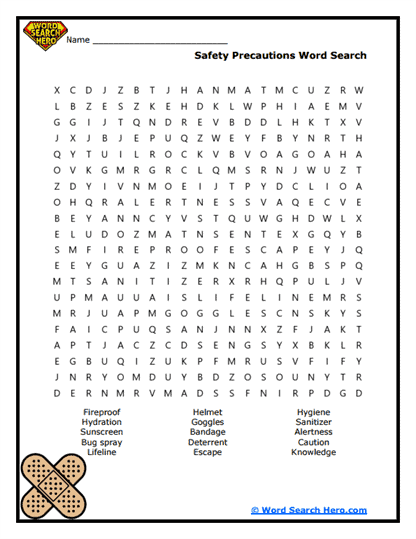
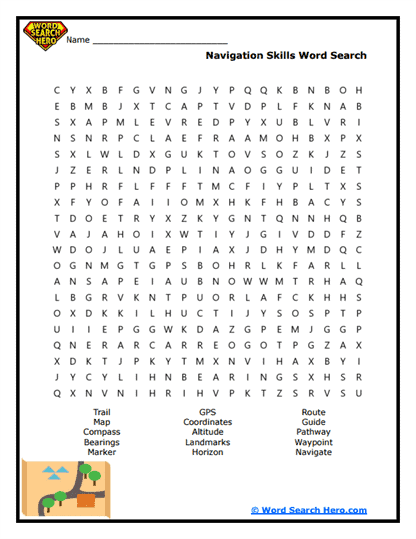
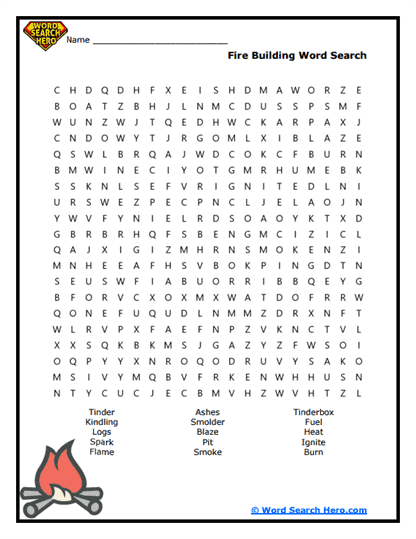
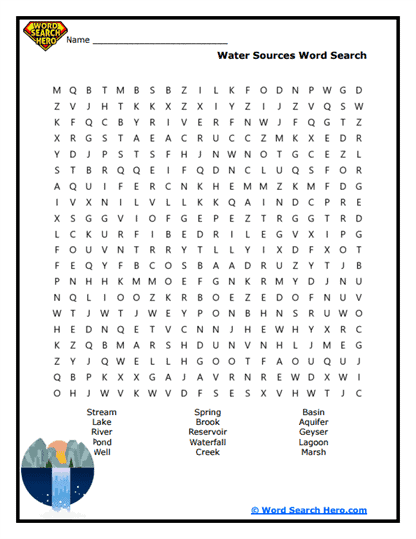
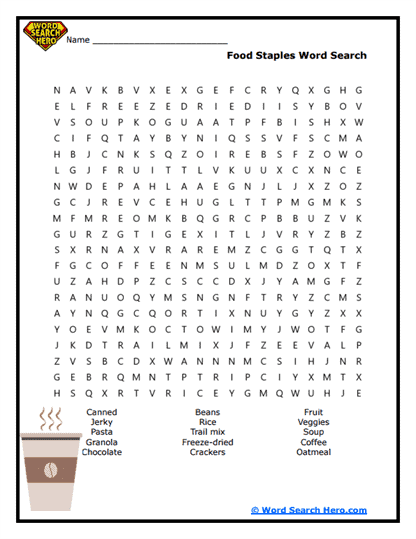
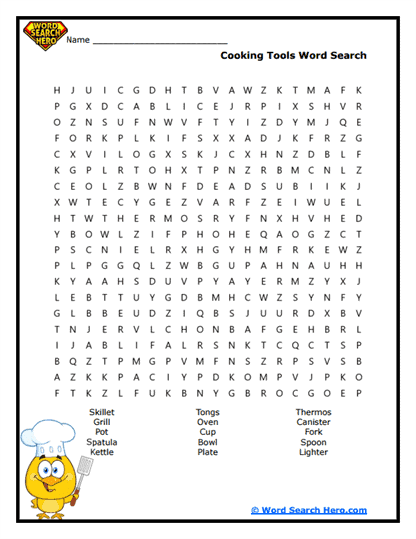
About Our Camping Word Searches
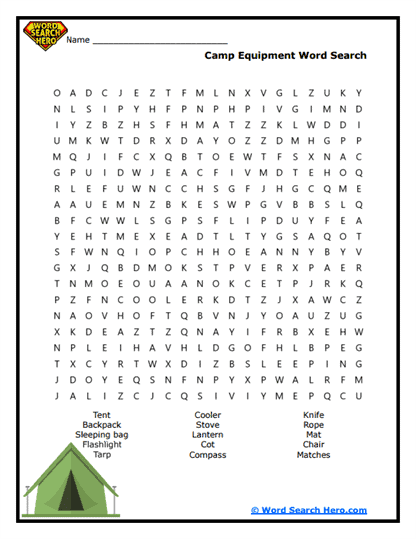
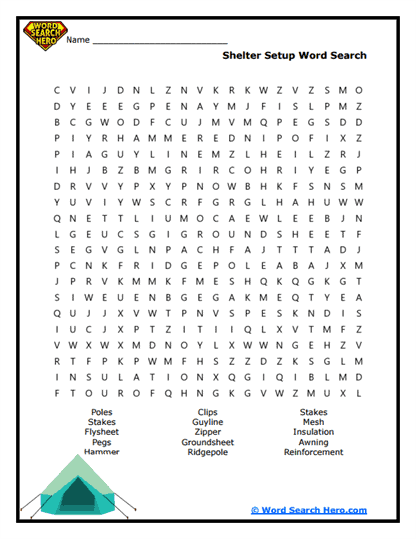
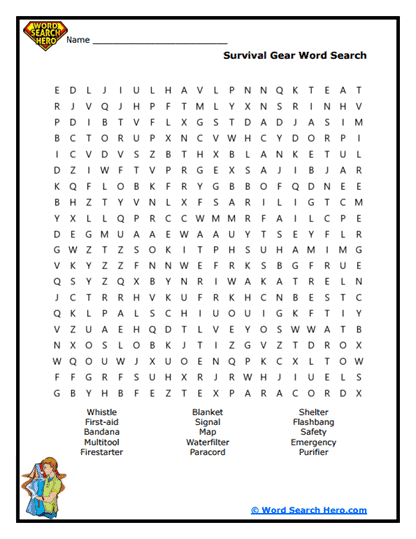
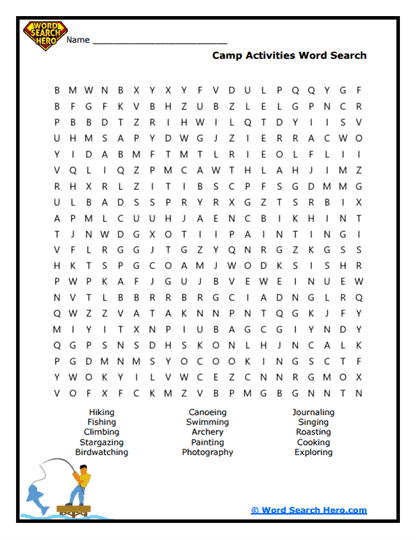
Our Camping Word Searches capture the adventure and relaxation of spending time outdoors while offering a fun and engaging puzzle activity. These printable puzzles feature vocabulary connected to tents, campfires, hiking trails, wildlife, and the many experiences people enjoy while camping. Teachers, parents, and homeschool educators often appreciate themed puzzles like these because they combine nature-inspired topics with valuable reading and vocabulary practice.
As participants search the puzzle grid for hidden words, they strengthen important literacy skills such as spelling recognition, visual scanning, and pattern identification. Word searches encourage learners to carefully scan rows, columns, and diagonals to locate each word. While the activity feels like a simple game, it quietly builds concentration, reading fluency, and attention to detail.
The camping theme is especially engaging because it connects to real-life outdoor adventures. Words related to campfires, backpacks, sleeping bags, and nature often remind learners of trips to parks, forests, or family camping excursions. This familiarity helps keep participants interested while reinforcing vocabulary in a meaningful way.
Teachers sometimes use camping-themed puzzles during lessons about nature, outdoor activities, or seasonal adventures. Parents and homeschool families also appreciate how easy the puzzles are to print and use during quiet learning time, road trips, or relaxing evenings around the house.
By combining outdoor vocabulary with an engaging puzzle format, camping word searches encourage curiosity about nature while strengthening language skills and reading confidence.
Exploring the Language of Outdoor Adventures
Camping introduces learners to a wide variety of words related to nature, exploration, and outdoor living. From setting up a tent to roasting marshmallows over a fire, each activity has vocabulary that reflects the experience of being outside. When these words appear in a puzzle, they become easier for learners to recognize and remember.
Common camping words might include tent, lantern, backpack, trail, forest, and campsite. As participants search for these words in the puzzle grid, they practice recognizing spelling patterns and strengthening word recognition skills. The process of scanning for each hidden word also helps build focus and persistence.
Teachers often connect camping vocabulary with lessons about outdoor safety, wildlife habitats, and environmental awareness. Students may learn about the importance of respecting nature, protecting forests, and leaving campsites clean. Word searches can help introduce or reinforce the vocabulary used in these discussions.
Another advantage of camping-themed puzzles is how easily they spark conversation. After completing the puzzle, students often enjoy sharing stories about camping trips, hiking adventures, or nights spent around a campfire.
By exploring camping vocabulary through puzzles, learners strengthen their language skills while developing curiosity about outdoor adventures and nature exploration.
Paul’s Pro-Tip
Camping-themed word searches are perfect before a nature lesson or outdoor activity. I like to challenge students to find three camping words before we talk about the day’s adventure topic.
Once they find them, I ask what each item might be used for at a campsite. Someone always brings up roasting marshmallows or telling stories around the fire. Suddenly the puzzle turns into a fun conversation about outdoor adventures.
Turning Camping Puzzles Into Outdoor Learning
Camping word searches can easily become the starting point for hands-on outdoor learning activities. After students complete the puzzle, teachers can invite them to choose one camping word they discovered and explain how it might appear during a real camping trip.
For example, a student who finds the word tent might describe how campers set up their shelter for the night. Another learner who spots the word trail might talk about hiking paths through forests or mountains. These conversations reinforce vocabulary while connecting learning to real experiences.
Another engaging extension is a campground planning challenge. Students can use words from the puzzle to design their own imaginary campsite. They might include a tent area, a campfire circle, a trail nearby, and a place to cook meals.
Families can also connect puzzles with outdoor exploration at home. After completing the puzzle, children might take a walk outside and look for natural elements like trees, birds, or trails that remind them of camping.
By linking puzzles with nature activities, educators and parents transform a simple word search into a meaningful outdoor learning experience that encourages curiosity, creativity, and appreciation for nature.
Frequently Asked Questions
How can teachers use camping word searches in the classroom?
Teachers often use these puzzles as warm-up activities, early finisher tasks, or quiet transitions during lessons about nature and outdoor activities. The puzzles introduce camping vocabulary while giving students a relaxing activity that strengthens reading and focus.
Are camping word searches helpful for homeschool learning?
Yes, they work very well in homeschool environments because they combine vocabulary practice with outdoor learning themes. Parents can print a puzzle and then connect the activity with nature walks, backyard camping, or discussions about outdoor safety.
Do word searches help students learn outdoor vocabulary?
Word searches reinforce vocabulary by repeatedly exposing learners to words related to camping and nature. As students scan the puzzle grid and identify spelling patterns, they strengthen word recognition skills that support reading comprehension.
What age groups enjoy camping-themed word searches the most?
Elementary and middle school students often enjoy these puzzles because the theme connects to outdoor adventures and exploration. However, older students and adults can also enjoy them as relaxing brain challenges that strengthen concentration.
Can these puzzles encourage interest in outdoor activities?
Absolutely. When learners discover words related to camping and nature, it often sparks curiosity about exploring the outdoors. The puzzle can become the starting point for learning about hiking, camping, and other nature-based adventures.