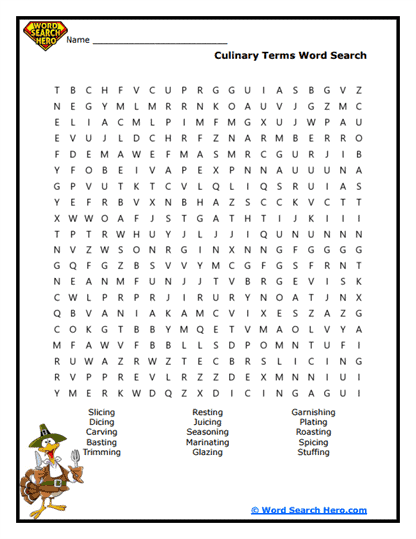
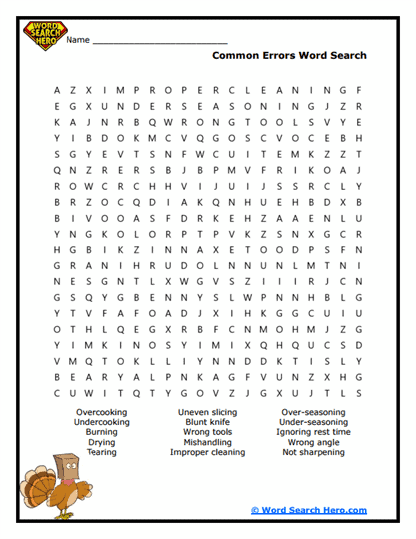
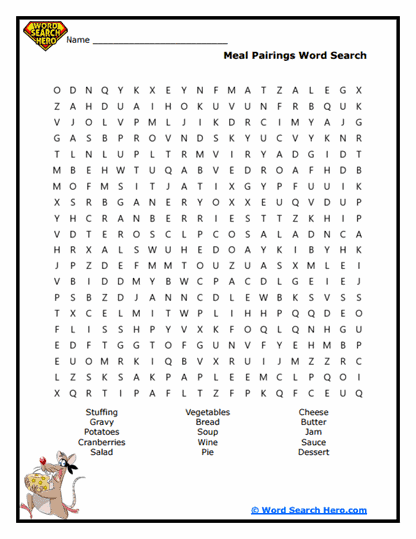
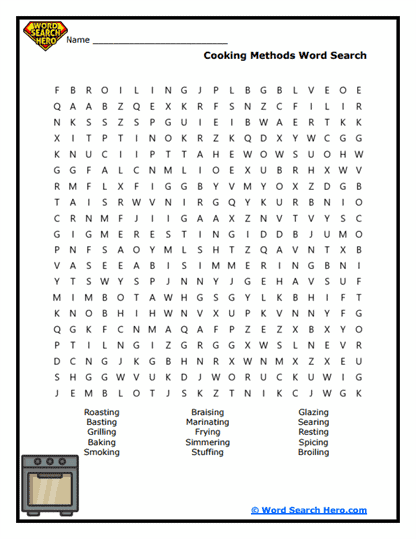
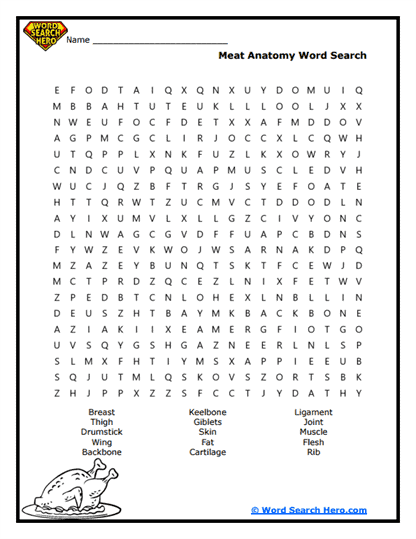
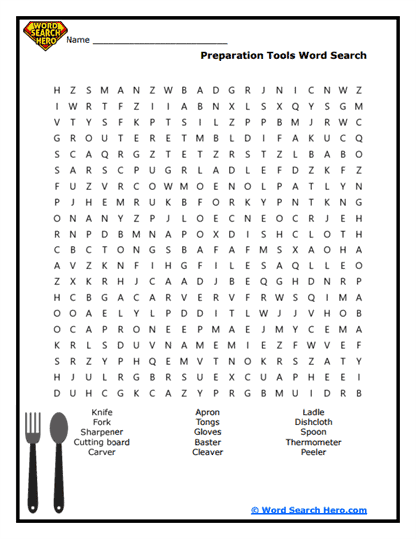
About Our Carving a Turkey Word Searches
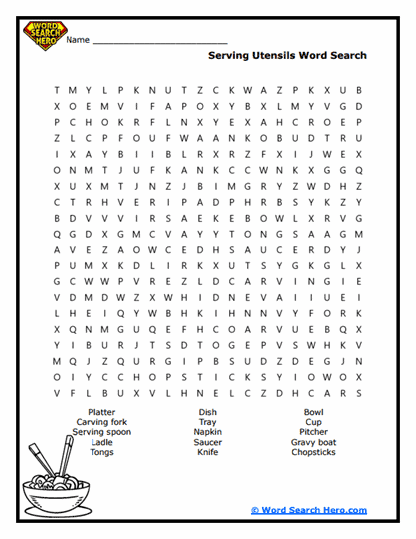
Carving a Turkey word searches introduce students to vocabulary connected with cooking, holiday traditions, and preparing a special meal. These printable puzzles help learners become familiar with words related to kitchen tools, serving food, and family gatherings. Because turkey carving is often associated with festive meals and celebrations, the vocabulary in these puzzles connects learning with cultural traditions and shared experiences.
Students exploring this theme may encounter words such as turkey, carve, knife, slice, plate, gravy, and dinner. These words frequently appear in conversations about cooking and holiday meals. A word search provides an engaging way to reinforce this vocabulary while strengthening spelling recognition, reading confidence, and observation skills.
Since the activity feels like a puzzle rather than a traditional worksheet, it can make vocabulary practice more enjoyable. Teachers often use these printables during seasonal lessons, holiday-themed activities, or early finisher time. Parents and homeschool educators can also include them in lessons as a screen-free activity that connects vocabulary with real-life traditions.
As students search the puzzle grid for hidden words, they strengthen concentration, visual scanning abilities, and pattern recognition. These skills support literacy development while keeping the activity interactive and fun.
Understanding the Tradition of Carving a Turkey
Carving a turkey is a tradition commonly associated with large family meals, especially during holiday celebrations. After a turkey is cooked, it is sliced into portions so it can be served to everyone at the table.
Preparing a turkey usually involves several steps. First, the turkey is roasted in an oven until it is fully cooked. After resting for a short time, a carving knife is used to cut slices of meat that can be placed on serving plates.
The turkey is often served alongside other foods such as vegetables, stuffing, mashed potatoes, and gravy. These shared meals bring families and friends together to celebrate and enjoy time together.
Learning vocabulary related to cooking and serving meals helps students understand how food preparation works and how meals are shared during special occasions.
Word searches reinforce this learning by giving students repeated exposure to common cooking and meal-related vocabulary.
Paul’s Pro-Tip
A great extension activity is a holiday meal planning exercise. After students complete the word search, ask them to design their own holiday meal menu.
Students can list foods they would serve alongside turkey and draw a picture of their meal setup. Encourage them to label items on the table using vocabulary words from the puzzle.
This activity helps students connect vocabulary to cultural traditions while encouraging creativity and planning skills.
Exploring Food and Cultural Traditions
Meals often play an important role in cultural celebrations and family traditions. Special dishes and cooking practices can represent history, culture, and shared experiences.
Vocabulary related to cooking and meals appears frequently in recipes, family conversations, and cultural discussions. When students learn these words, they gain language skills that help them understand how food preparation and traditions work.
A word search can serve as a warm-up activity before discussions about holiday traditions or cooking practices. After completing the puzzle, educators can encourage students to share foods that are important in their own family celebrations.
When students become familiar with vocabulary related to carving a turkey, they strengthen both their language skills and their understanding of food traditions.
Frequently Asked Questions
What are Carving a Turkey word searches?
They are puzzles that feature vocabulary related to preparing and serving turkey during a meal.
Why is carving a turkey considered a tradition?
It is often part of large family meals and holiday celebrations where the cooked turkey is sliced and shared.
What kinds of words might appear in these puzzles?
Examples include turkey, carve, knife, slice, plate, gravy, and dinner.
Are these puzzles appropriate for seasonal classroom activities?
Yes. They are often used during lessons about holidays, food traditions, or family gatherings.
What classroom activity pairs well with this puzzle?
Students can create a holiday meal menu and label the foods they would serve at a festive dinner.