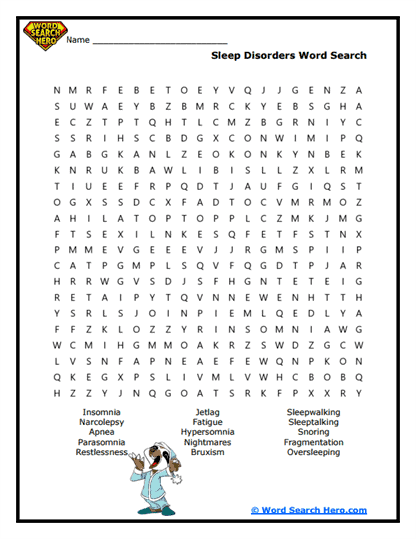
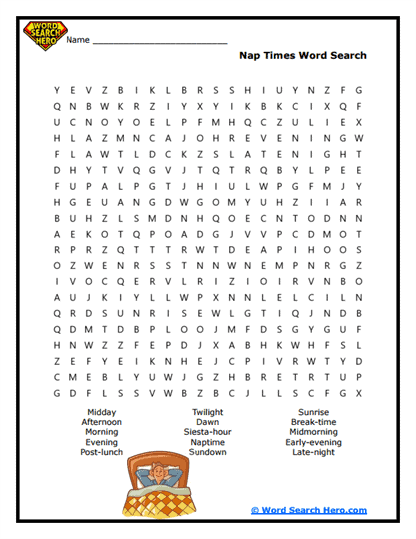
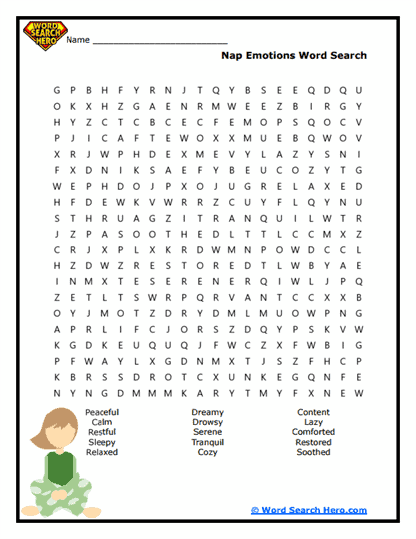
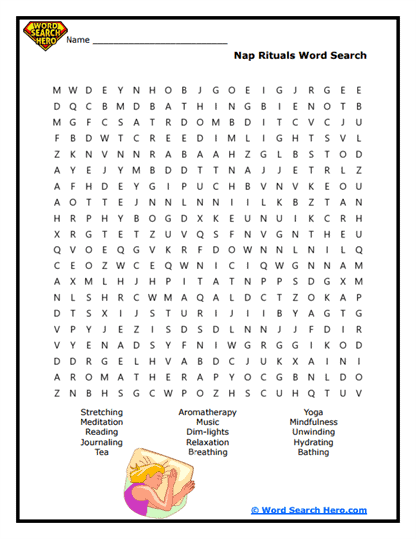
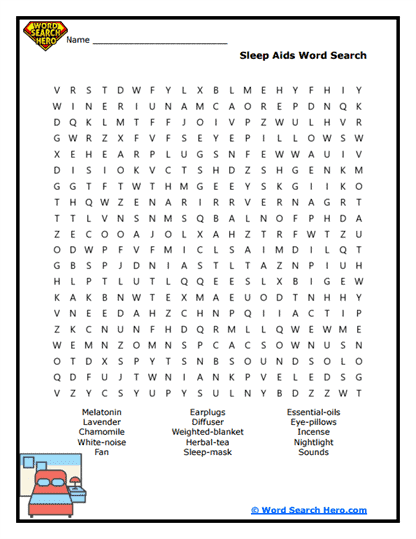
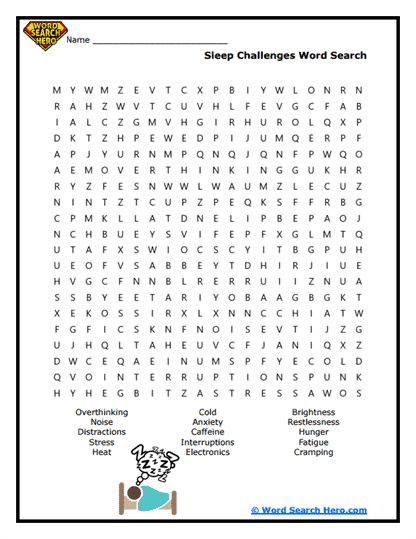
About Our Catnaps Word Searches
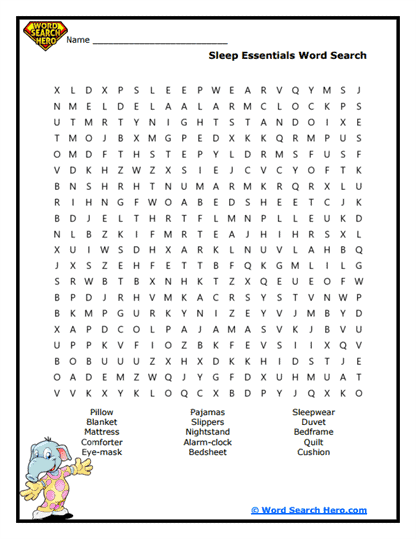
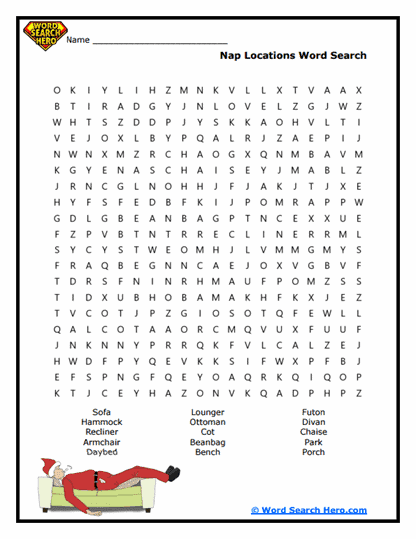
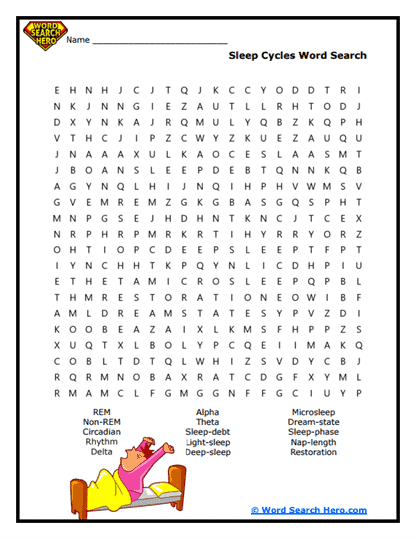
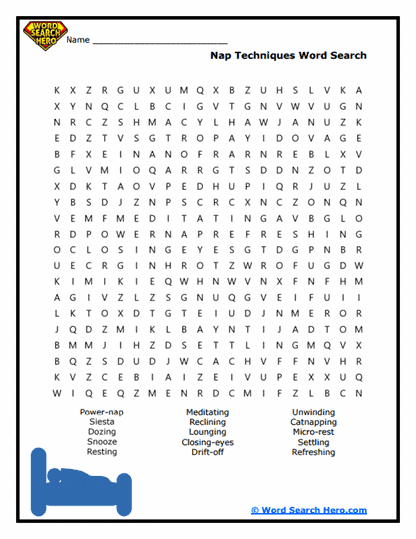
Our Catnaps Word Searches celebrate the relaxing moments of rest and quiet breaks while providing a fun and engaging puzzle activity. These printable puzzles feature vocabulary connected to naps, relaxation, cozy spaces, and the peaceful feeling of taking a short rest during the day. Teachers, parents, and homeschool educators often enjoy using themed puzzles like these because they combine calming topics with meaningful vocabulary and reading practice.
As participants search through the puzzle grid for hidden words, they strengthen essential literacy skills such as spelling recognition, visual scanning, and pattern identification. Word searches encourage learners to carefully examine rows, columns, and diagonals while locating each word. Although the activity feels like a simple game, it quietly reinforces reading fluency, focus, and attention to detail.
The catnap theme is especially engaging because it connects to everyday experiences of rest and relaxation. Words related to sleep, pillows, blankets, and quiet time often remind learners of cozy moments spent recharging during the day. This familiarity helps keep participants comfortable and engaged while practicing vocabulary recognition.
Teachers sometimes use nap or relaxation-themed puzzles during calm classroom moments, early finisher activities, or quiet reading time. Parents and homeschool families also appreciate how easy the puzzles are to print and use during peaceful afternoon breaks or quiet indoor activities.
By combining relaxing vocabulary with an engaging puzzle format, catnap word searches create a calm learning activity that encourages focus while strengthening language and reading skills.
Understanding the Comfort of Short Rest Breaks
A catnap is a short period of sleep or rest that helps people recharge their energy. Even a brief nap can improve focus, mood, and alertness, especially during busy days filled with learning and activity. When learners explore catnap-related vocabulary through puzzles, they begin to recognize the language used to describe rest and relaxation.
Common catnap words might include nap, rest, pillow, blanket, snooze, and yawn. As participants search for these words within the puzzle grid, they practice identifying spelling patterns and strengthening word recognition skills. Repeated exposure to these terms helps reinforce vocabulary while keeping the activity enjoyable.
Teachers sometimes discuss the importance of rest and balance when talking about healthy routines. Students learn that taking breaks, relaxing, and getting enough sleep are important for staying focused and energized throughout the day.
Another advantage of relaxation-themed puzzles is how easily they create a calm atmosphere. After completing the puzzle, students often feel relaxed and ready to continue learning with renewed focus.
By exploring catnap vocabulary through puzzles, learners strengthen language skills while recognizing the value of rest and quiet moments during busy days.
Paul’s Pro-Tip
Catnap word searches are great for those quieter parts of the day when everyone needs to slow down a little. I like to challenge students to find a few “sleepy” words before we start a quiet reading or reflection activity.
Once they spot them, the classroom naturally settles into a calmer rhythm. It’s a simple way to shift the energy from busy to relaxed while still keeping minds engaged.
Turning Catnap Puzzles Into Relaxation Activities
Catnap word searches can easily lead to discussions about healthy routines and relaxation. After completing the puzzle, teachers can invite students to choose one rest-related word they discovered and explain how it helps people relax or recharge.
For example, a student who finds the word blanket might describe how a cozy blanket helps someone feel comfortable during a nap. Another learner who spots the word yawn might explain how yawning sometimes happens when people feel tired.
Another engaging extension is a quiet time challenge. Students can create a short list of relaxing activities they enjoy, such as reading, listening to music, or resting quietly. These ideas help reinforce the importance of taking breaks during busy days.
Families can also connect puzzles with calm moments at home. After finishing the word search, children might take a quiet reading break, relax with a favorite book, or simply enjoy a peaceful moment.
By linking puzzles with relaxation and balance, educators and parents transform a simple word search into a thoughtful activity that encourages calm focus and healthy daily habits.
Frequently Asked Questions
How can teachers use catnap word searches in the classroom?
Teachers often use these puzzles during quiet classroom moments, early finisher activities, or transitions to calm activities like reading time. The theme encourages a relaxed atmosphere while still reinforcing vocabulary and reading skills.
Are catnap word searches helpful for homeschool learning?
Yes, they work very well in homeschool environments because they combine vocabulary practice with discussions about healthy routines. Parents can print a puzzle and then connect it with quiet reading time or a relaxing afternoon break.
Do word searches help improve focus and concentration?
Word searches encourage learners to scan carefully for hidden words, which strengthens attention and concentration. The calm, puzzle-based format also helps create a relaxed environment that supports focused learning.
What age groups enjoy catnap-themed word searches the most?
Elementary students often enjoy these puzzles because the theme connects to everyday experiences like resting or relaxing. However, older students and adults can also enjoy them as calming brain activities that encourage focus.
Can these puzzles encourage healthy rest habits?
Absolutely. When learners discover words related to rest and relaxation, it can spark conversations about healthy sleep habits and taking breaks when needed. The puzzle becomes a simple reminder that rest and learning work well together.