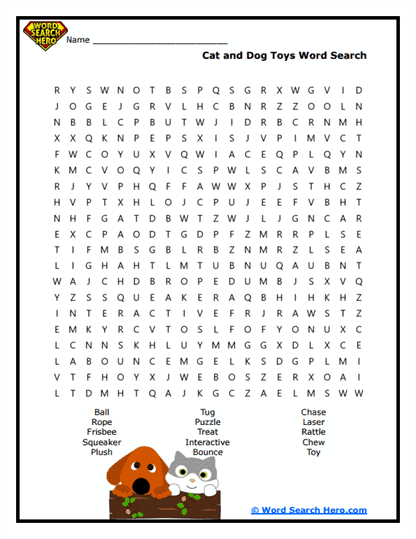
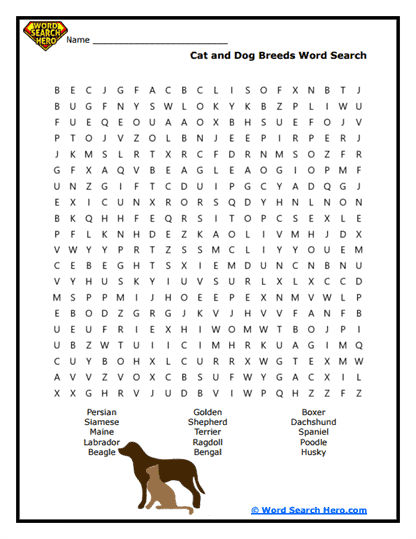
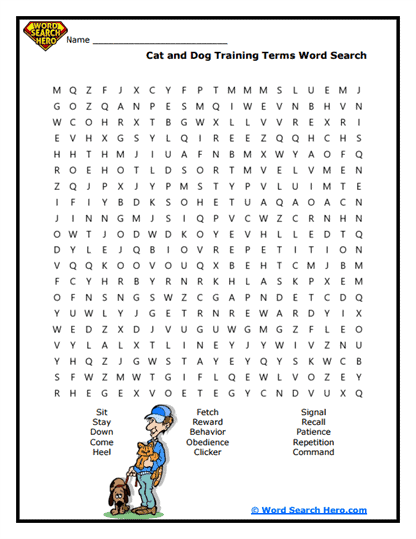
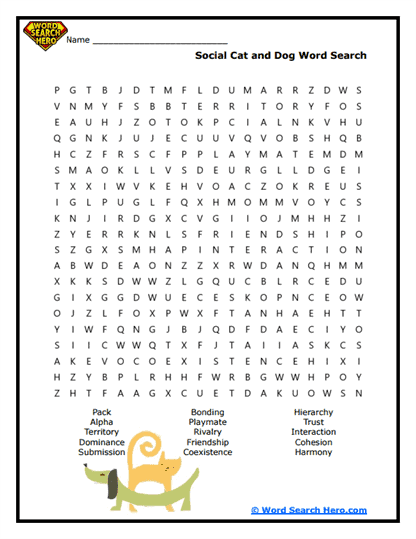
About Our Cats and Dogs Word Searches
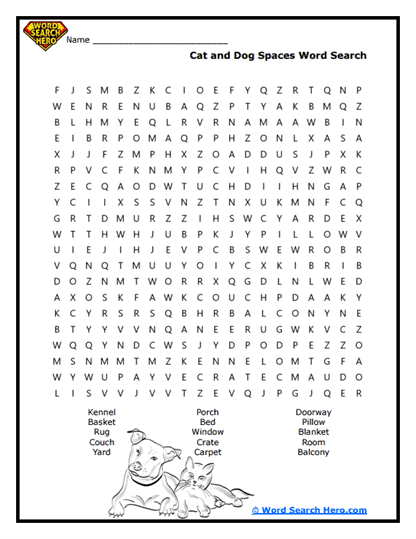
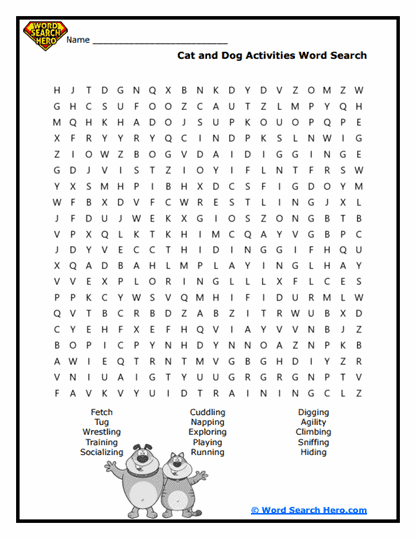
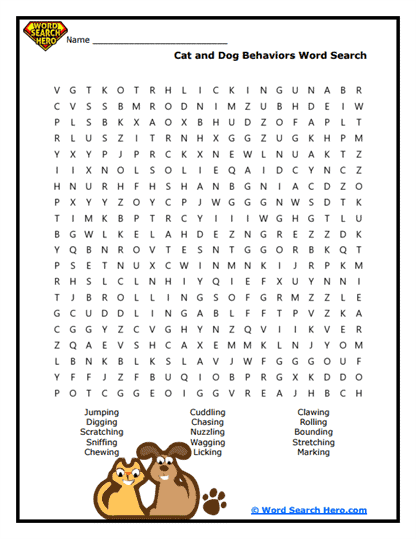
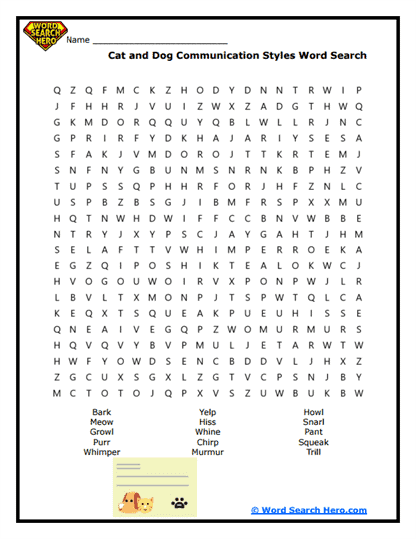
Our Cats and Dogs Word Searches explore the playful and heartwarming world of two of the most popular pets while offering a fun and engaging puzzle activity. These printable puzzles feature vocabulary connected to cats, dogs, pet care, and the everyday experiences of living with furry companions. Teachers, parents, and homeschool educators often enjoy using themed puzzles like these because they combine familiar animal topics with valuable vocabulary and reading practice.
As participants search through the puzzle grid for hidden words, they strengthen essential literacy skills such as spelling recognition, visual scanning, and pattern identification. Word searches encourage learners to carefully scan rows, columns, and diagonals while locating each word. Although the activity feels like a relaxing game, it quietly reinforces reading fluency, concentration, and attention to detail.
The cats and dogs theme is especially engaging because many learners already have personal experiences with these pets. Words related to paws, tails, barking, purring, and playtime introduce participants to common pet behaviors and characteristics. This connection to everyday life helps keep participants motivated while strengthening vocabulary recognition.
Teachers often include cats and dogs-themed puzzles during lessons about animals, pets, or basic biology. Parents and homeschool families also appreciate how easy the puzzles are to print and use during independent learning time or family puzzle activities.
By combining pet-related vocabulary with an engaging puzzle format, cats and dogs word searches create an educational activity that encourages curiosity about animals while strengthening reading and language skills.
Discovering the World of Cats and Dogs
Cats and dogs are among the most common household pets around the world. While they have different personalities and behaviors, both animals have lived alongside humans for thousands of years. Dogs are often known for their loyalty and energetic personalities, while cats are admired for their independence and agility.
Common cats and dogs-related words might include cat, dog, paws, tail, whiskers, bark, and purr. As participants search for these words inside the puzzle grid, they practice recognizing spelling patterns and strengthening word recognition skills. Repeated exposure helps reinforce vocabulary while making the activity enjoyable.
Dogs communicate with people and other animals through barking, wagging their tails, and body language. Cats communicate differently, often using meows, purring, and subtle movements of their ears and tails. Learning about these behaviors helps students understand how animals express emotions and interact with humans.
Teachers sometimes connect cats and dogs vocabulary with lessons about mammals, animal behavior, or responsible pet care. Students may learn how pets depend on humans for food, shelter, and companionship.
By exploring cats and dogs vocabulary through puzzles, learners strengthen language skills while discovering more about two of the most beloved animals in many households.
Paul’s Pro-Tip
Cats and dogs word searches are great for connecting puzzles with animals that many learners already know. I like to challenge students to find a few pet-related words before we talk about how cats and dogs behave differently.
Once they discover them, the conversation often turns to how dogs show excitement by wagging their tails and how cats communicate through purring and body language. It’s a simple way to spark curiosity about pet behavior while keeping the activity fun.
Turning Cats and Dogs Puzzles Into Animal Learning
Cats and dogs word searches can easily lead to engaging learning activities about pets and animal care. After completing the puzzle, teachers can invite students to choose one pet-related word they discovered and explain what they know about it.
For example, a student who finds the word whiskers might describe how cats use them to sense objects around them. Another learner who spots the word bark might explain how dogs use different sounds to communicate.
Another engaging extension is a pet care challenge. Students can list or draw things that help keep pets healthy and happy, such as food, water, exercise, toys, and a safe place to sleep. This activity helps reinforce vocabulary while encouraging responsibility and empathy toward animals.
Families can also connect puzzles with learning at home. After finishing the word search, children might observe how a pet moves, plays, or communicates. They can also read books about animals or learn about different breeds of cats and dogs.
By linking puzzles with science and discovery, educators and parents transform a simple word search into a learning experience that celebrates pets, animal behavior, and the special bond between people and animals.
Frequently Asked Questions
How can teachers use cats and dogs word searches in the classroom?
Teachers often use these puzzles as warm-up activities, early finisher tasks, or quiet brain breaks during lessons about animals or pets. The theme reinforces vocabulary related to mammals, animal behavior, and pet care while keeping students engaged in learning.
Are cats and dogs word searches helpful for homeschool learning?
Yes, they work very well in homeschool environments because they combine vocabulary practice with familiar animal topics. Parents can print a puzzle and then follow it with lessons about mammals, pet care, or responsible animal ownership.
Do word searches help students learn animal vocabulary?
Word searches reinforce vocabulary by repeatedly exposing learners to animal names and descriptive terms in a visual format. As students scan the puzzle grid and recognize spelling patterns, they strengthen word recognition skills that support reading comprehension.
What age groups enjoy cats and dogs-themed word searches the most?
Elementary and middle school students often enjoy these puzzles because cats and dogs are animals they see in everyday life. However, older students and adults can also enjoy them as relaxing brain challenges that reinforce vocabulary and observation skills.
Why are cats and dogs such popular pets?
Cats and dogs are popular pets because they form strong bonds with people and adapt well to living in human homes. Their companionship, playful behavior, and ability to communicate with humans make them beloved members of many families.