


The Beatles
Take a groovy stroll through Beatlemania with these free word search puzzles that’ll have your brain doing the twist while you hunt for hits, albums, and all things fab four.
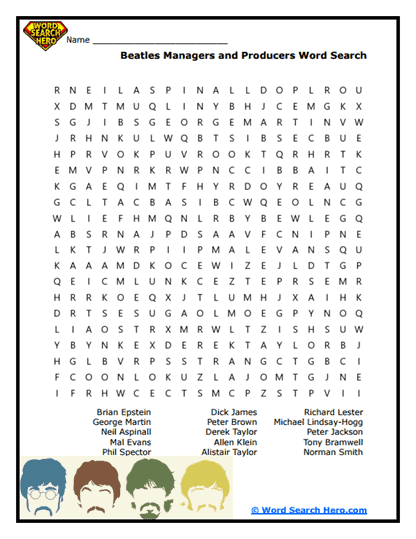
Take a groovy stroll through Beatlemania with these free word search puzzles that’ll have your brain doing the twist while you hunt for hits, albums, and all things fab four.

From backstage gossip to iconic albums, these Rolling Stones puzzles will have you searching harder than Keith Richards for a clean T-shirt.
Our Classic Rock Bands Word Searches bring the legendary sounds and iconic names of rock history into a fun and educational activity. These printable puzzles are perfect for classrooms, homeschool settings, or music lovers at home, offering an engaging way to build vocabulary while exploring one of the most influential eras in music.
Students will search for words like “guitar,” “album,” “tour,” “lyrics,” and names of famous bands and artists, all while strengthening spelling, reading fluency, and focus. Because classic rock is packed with recognizable names and cultural impact, these puzzles naturally spark curiosity and conversation. Teachers often use them as warm-ups, early finisher activities, or as part of lessons on music history and cultural influence.
These printables are simple to use with no preparation required. They can be adapted for different age levels, allowing younger learners to focus on basic terms while older students explore more detailed vocabulary tied to bands, instruments, and the music industry.
Beyond literacy skills, these puzzles help students connect language to real-world culture and history. By exploring the vocabulary of classic rock, learners gain a deeper appreciation for music and its lasting influence.
Classic rock themes introduce students to vocabulary that reflects performance, creativity, and musical identity. Words like “riff,” “solo,” “amplifier,” and “record” help learners understand how music is created and performed. Because these words are tied to powerful sounds and memorable performances, they are easier for students to recognize and retain.
A helpful classroom strategy is to have students group words into categories such as instruments, band roles, and performance elements. For example, they might separate “drums” and “bass” from words like “concert” or “studio.” This helps students see how different parts come together to create a full musical experience.
You can extend the activity by asking students to imagine forming their own classic rock band using several of the words from the puzzle. They might choose a band name, decide on instruments, and describe their style. This reinforces vocabulary while encouraging creativity.
Because classic rock is deeply connected to expression and identity, these puzzles also help students understand how music reflects personality and culture. This makes learning both engaging and meaningful.

I always found that bringing music into the classroom instantly changed the energy. With classic rock, I’d start by asking if anyone had heard songs their parents or grandparents loved. That little connection across generations made the activity feel bigger than just a puzzle and got students genuinely interested.
After they finished, I liked to have students pick one word and imagine what it would sound like-whether it was a loud guitar solo or a steady drum beat. It got them thinking beyond the page and into the music itself. And if someone got stuck, I’d remind them to look for shorter words like “band” or “rock” first to get momentum going.
Classic rock band word searches offer strong cross-curricular connections that go beyond language arts. In music lessons, they support learning about instruments, performance, and the evolution of sound. Vocabulary from the puzzle helps students better understand how bands create and share music.
In history and culture discussions, students can explore how classic rock influenced fashion, attitudes, and social movements. This helps them see how music connects to real-world events and ideas.
Creative extensions are especially effective with this theme. Students might design a band logo, create an album cover, or write lyrics inspired by words from the puzzle. These activities reinforce vocabulary while encouraging imagination.
These puzzles also connect to teamwork and collaboration. Students can discuss how band members work together and how each role contributes to the final performance. By linking vocabulary to music, culture, and creativity, these puzzles become a dynamic and engaging learning experience.
Classic rock bands word searches are printable puzzles that feature vocabulary related to famous rock bands, instruments, and music terms from the classic rock era. They provide a fun way for students to explore music while improving reading and spelling skills.
They introduce important music-related vocabulary and reinforce it through repetition and recognition. When paired with discussions or creative activities, they help students better understand how music is created and performed.
Yes, they are very appropriate and can be adapted to fit different age groups. Teachers can focus on general music concepts and cultural impact, making the activity both educational and engaging.
Absolutely, they are a great addition to both subjects. They help connect music to historical context and give students a broader understanding of how classic rock shaped culture.
Students enjoy learning about music, especially when it connects to real songs and artists. The mix of puzzle-solving and cultural exploration keeps them engaged and makes the experience more memorable.