About Our Climbing Word Searches
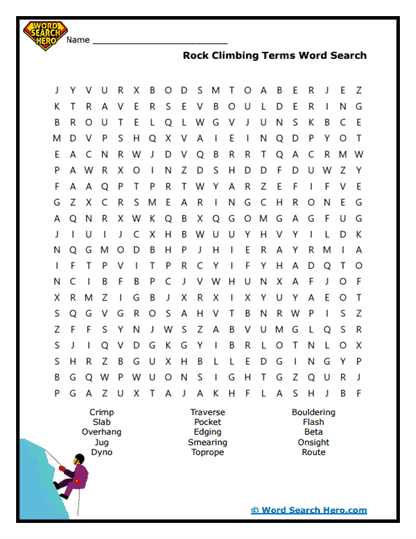
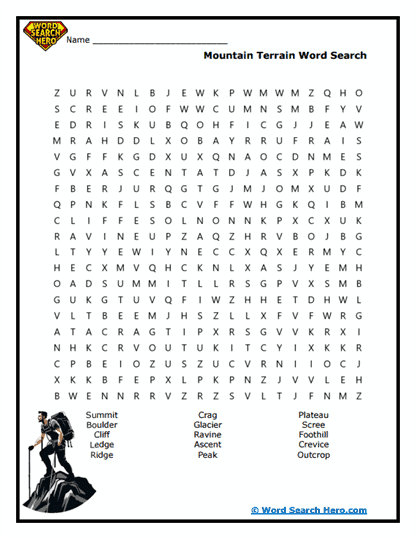
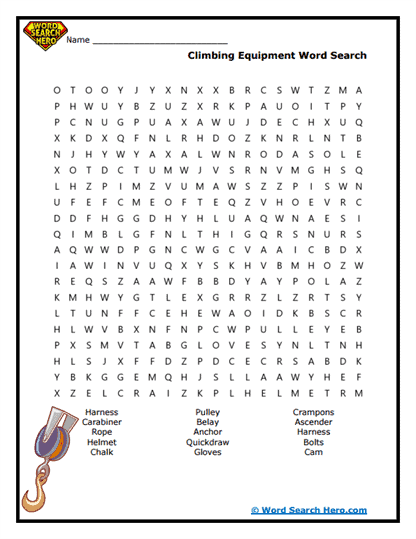
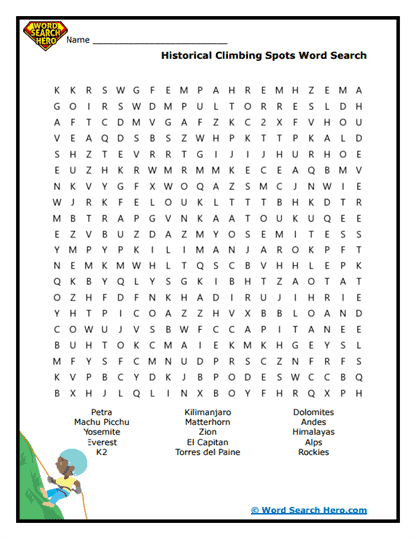
Our Climbing Word Searches celebrate the challenge and excitement of climbing while providing a fun and engaging puzzle activity. These printable puzzles feature vocabulary connected to rock climbing, mountain climbing, equipment, and the skills needed to reach new heights. Teachers, parents, and homeschool educators enjoy using themed puzzles like these because they combine adventure-based topics with meaningful vocabulary and reading practice.
As participants search through the puzzle grid for hidden words, they strengthen essential literacy skills such as spelling recognition, visual scanning, and pattern identification. Word searches encourage learners to carefully examine rows, columns, and diagonals to locate each word. While the activity feels like a simple game, it quietly reinforces reading fluency, focus, and attention to detail.
The climbing theme is especially engaging because it reflects a real-world activity that requires determination and problem-solving. Words related to ropes, cliffs, harnesses, and summits often spark curiosity about how climbers explore mountains and rock walls. This connection helps learners relate vocabulary to exciting outdoor adventures.
Teachers sometimes use climbing-themed puzzles during lessons about outdoor sports, physical challenges, or perseverance. Parents and homeschool families also appreciate how easy these puzzles are to print and use during quiet learning time or as part of an outdoor-themed lesson.
By combining adventure vocabulary with an engaging puzzle format, climbing word searches encourage curiosity about exploration and physical challenges while strengthening language skills.
The Language of Climbing and Adventure
Climbing is a sport and activity that requires strength, balance, strategy, and teamwork. Whether someone is climbing a mountain trail or scaling a rock wall, climbers rely on specific tools and techniques to stay safe and succeed. When learners explore climbing vocabulary through puzzles, they begin to recognize the words associated with this adventurous activity.
Common climbing-related words might include rope, harness, cliff, grip, summit, and belay. As participants search for these words within the puzzle grid, they practice identifying spelling patterns and strengthening word recognition skills. This repeated exposure helps reinforce vocabulary in a fun and memorable way.
Teachers sometimes connect climbing vocabulary with lessons about perseverance and problem-solving. Climbers must carefully plan their route, test their footing, and remain patient while working toward the top. These ideas provide great examples of determination and persistence.
Another advantage of climbing-themed puzzles is how naturally they inspire conversation about outdoor exploration. After completing the puzzle, students often enjoy discussing mountains they have seen, climbing walls they have visited, or hiking adventures they have experienced.
By exploring climbing vocabulary through puzzles, learners strengthen both language skills and curiosity about outdoor challenges and exploration.
Paul’s Pro-Tip
Climbing word searches are a great way to introduce the idea of problem-solving. I like to tell students that finding hidden words is a bit like planning a climbing route.
You look carefully, try different directions, and keep searching until you reach the “summit” of the puzzle. It’s a fun way to show that patience and observation pay off.
Turning Climbing Puzzles Into Adventure Activities
Climbing-themed word searches can easily lead to discussions about adventure, perseverance, and outdoor exploration. After finishing the puzzle, teachers can invite students to choose one climbing-related word they discovered and explain how it might be used during a climbing activity.
For example, a student who finds the word rope might describe how climbers use ropes for safety while climbing steep rock faces. Another learner who spots the word summit might talk about the excitement of reaching the top of a mountain after a long climb.
Another engaging extension is an adventure planning challenge. Students can use several words from the puzzle to imagine planning a climbing expedition. They might describe the equipment they would bring, the type of mountain they would climb, and the challenges they might face.
Families can also connect puzzles with outdoor experiences at home. After completing the word search, children might watch videos about mountain climbing or visit a local climbing wall to see how the equipment works.
By linking puzzles with exploration and adventure, educators and parents transform a simple word search into a learning experience that highlights determination, teamwork, and curiosity.
Frequently Asked Questions
How can teachers use climbing word searches in the classroom?
Teachers often use these puzzles as warm-up activities, early finisher tasks, or quiet brain breaks during lessons about outdoor activities and perseverance. The puzzles introduce climbing vocabulary while giving students a relaxing activity that strengthens reading skills and concentration.
Are climbing word searches helpful for homeschool learning?
Yes, they work very well in homeschool environments because they combine vocabulary practice with topics related to outdoor adventure and physical activity. Parents can print a puzzle and then discuss climbing, hiking, or other outdoor challenges connected to the words in the puzzle.
Do word searches help students learn sports and activity vocabulary?
Word searches reinforce vocabulary by repeatedly exposing learners to words connected to specific activities. As participants scan the puzzle grid and recognize spelling patterns, they strengthen word recognition skills that support reading comprehension.
What age groups enjoy climbing-themed word searches the most?
Elementary and middle school students often enjoy these puzzles because the theme connects to adventure and exploration. However, older students and adults can also enjoy them as relaxing brain challenges that strengthen concentration and observation skills.
Can these puzzles encourage interest in outdoor activities?
Absolutely. When learners discover words related to climbing and adventure, it often sparks curiosity about outdoor exploration and physical challenges. The puzzle can become the starting point for learning about hiking, climbing, and other nature-based activities.