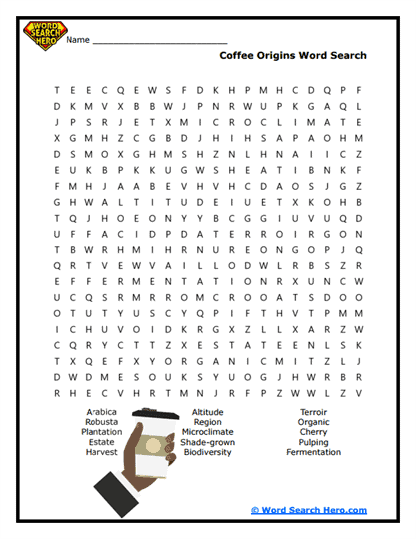
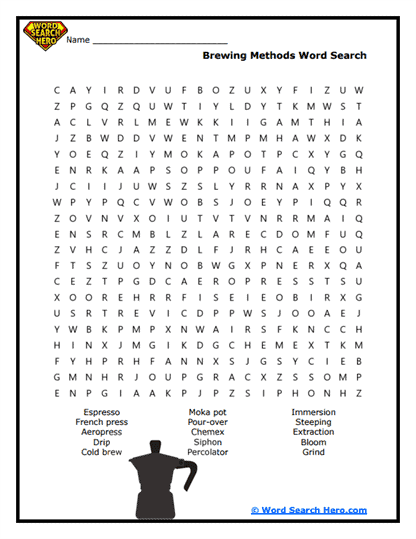
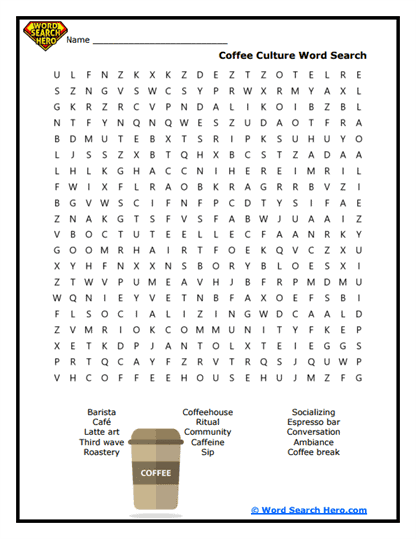
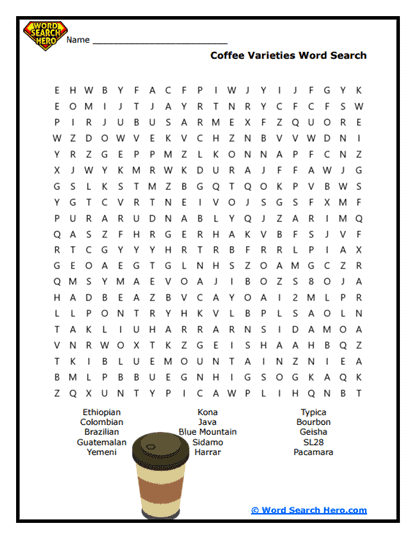
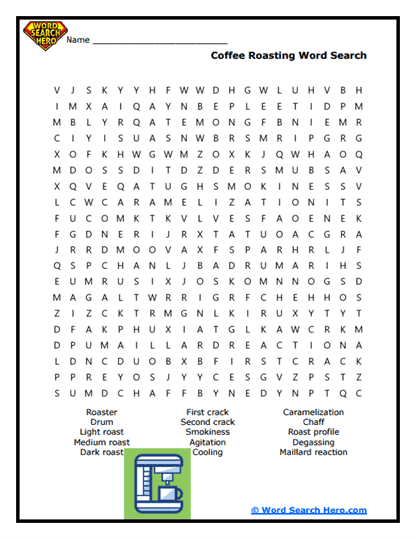
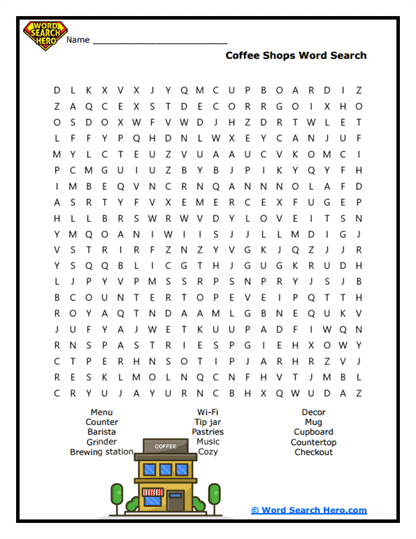
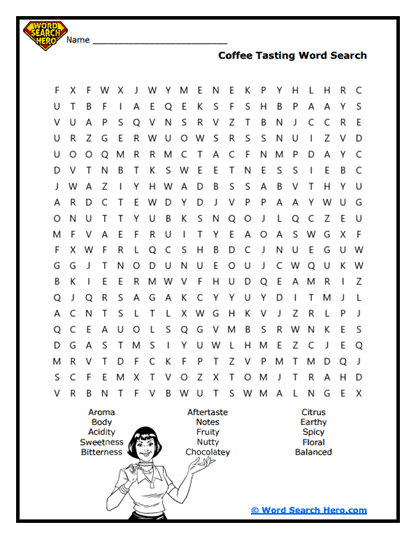
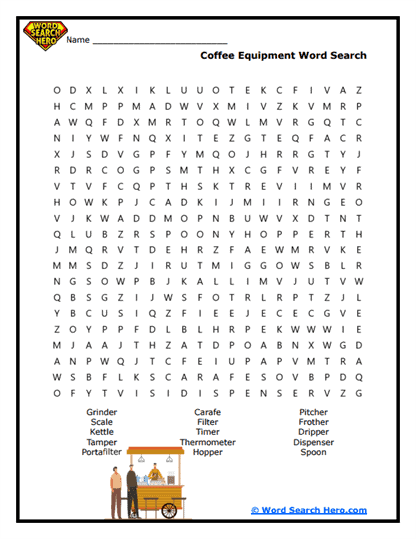
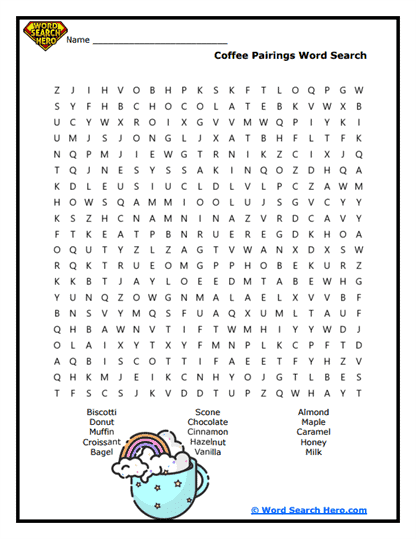
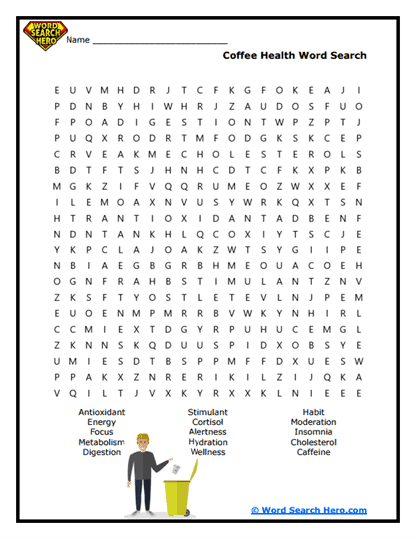
About Our Coffee Word Searches
Coffee is more than just a drink-it’s a culture, a routine, and for many people, a daily ritual. Our Coffee Word Searches collection brings that familiar world into a fun and engaging printable activity. From classic drinks like espresso and latte to beans, brewing methods, and café vocabulary, these puzzles are filled with words that feel both cozy and recognizable.
Because coffee is such a common part of adult life, these puzzles are especially popular with older students, teens, and adults. They offer a slightly more “grown-up” theme compared to general food puzzles, making them a great fit for quiet time, classrooms, or even workplace brain breaks. At the same time, younger learners can still enjoy simpler versions that focus on basic words and concepts.
These printables are easy to use anywhere. Teachers can include them in seasonal lessons, writing prompts, or vocabulary practice. Parents and homeschoolers can use them as a relaxed activity alongside lessons about daily routines, global foods, or cultural traditions. The coffee theme adds a warm, familiar feel that makes the puzzle experience more enjoyable.
A Blend of Fun and Learning
Coffee word searches go beyond simple word finding-they introduce a rich set of vocabulary tied to real-world experiences. Learners encounter words related to drinks (cappuccino, mocha), ingredients (beans, milk, sugar), and preparation methods (brew, grind, roast). This helps expand language skills in a natural and engaging way.
These puzzles also connect easily to other subjects. In geography, students can explore where coffee is grown, such as Brazil, Colombia, or Ethiopia. In science, they can discuss how beans are roasted or how brewing methods affect flavor. Even basic sequencing skills can be practiced by describing the steps of making a cup of coffee.
For group settings, coffee word searches can spark interesting conversations. Students might talk about what they see at coffee shops, how drinks are customized, or the difference between iced and hot beverages. For older learners, it can even lead to discussions about culture, routines, and how coffee is enjoyed around the world.
Paul’s Pro-Tip

Turn your coffee word search into a “café creator” activity. After finishing the puzzle, have learners design their own coffee shop menu using the words they found. They can mix drinks, invent flavors, and even name their café.
If the puzzle feels tricky, suggest focusing on common coffee prefixes like “latte,” “capp,” or “brew.” Recognizing these chunks can help break down longer words and make them easier to spot.
A Cozy Way to Spark Curiosity
Coffee-themed puzzles naturally create a relaxed and inviting learning atmosphere. The words themselves-like “espresso,” “foam,” and “roast”-often feel interesting and a little more advanced, which can motivate learners to engage more deeply.
These puzzles also encourage descriptive language. Learners may start talking about flavors (bitter, sweet, creamy), temperatures (hot, iced), and textures (smooth, frothy). This kind of vocabulary development is especially useful for older students who are ready to expand beyond basic word lists.
At home, these printables can become part of a quiet routine. While adults enjoy their morning coffee, kids can work on a themed puzzle nearby, creating a shared but calm activity. It’s a simple way to bring learning into everyday moments.
Frequently Asked Questions
What words are typically included in coffee word search puzzles?
Coffee word searches usually include a mix of drink names, ingredients, and café-related terms. Common words include espresso, latte, cappuccino, mocha, americano, beans, roast, grind, brew, foam, and barista. Some puzzles may also include flavored drinks, toppings, or tools like filters and mugs, giving a well-rounded view of coffee vocabulary.
Are coffee word searches suitable for kids or more for adults?
They can be used for both, but they tend to appeal more to older kids, teens, and adults because of the theme. Simpler versions with basic words like “milk,” “cup,” and “brew” can work for younger learners, while more advanced puzzles include longer or more specialized terms that are better suited for older audiences.
Do coffee word searches teach anything beyond vocabulary?
Yes, they often introduce learners to real-world concepts related to coffee culture. This can include how coffee is made, different types of drinks, and even global connections like where coffee beans are grown. The puzzles can easily lead into discussions about geography, science, and everyday routines.
How are coffee word searches different from general drink word searches?
Coffee word searches focus specifically on one type of beverage, allowing for deeper exploration of related vocabulary. Instead of a broad mix of drinks, these puzzles dive into details like brewing methods, drink variations, and café terminology, making them more specific and often slightly more advanced.
Can coffee word searches be used in educational settings?
Absolutely. Teachers can use them as engaging warm-ups, vocabulary builders, or themed activities during lessons about food, culture, or global trade. They are also great for adult education settings or ESL learners who want to practice real-life vocabulary.
Why do people enjoy coffee-themed word searches?
The theme feels familiar and cozy, especially for people who associate coffee with daily routines or relaxation. The vocabulary is interesting and slightly more sophisticated, which can make the puzzle feel more engaging than simpler themes.
Can these puzzles connect to lessons about global culture?
Yes, very easily. Coffee is grown and consumed all over the world, so the puzzles can lead into discussions about countries, trade, and cultural traditions. For example, learners might explore how coffee is prepared differently in Italy, Ethiopia, or the United States.
How can I extend a coffee word search activity?
After completing the puzzle, learners can create a coffee menu, describe different drinks, or research how coffee is produced from bean to cup. These extensions add depth and turn a simple puzzle into a more meaningful learning experience.