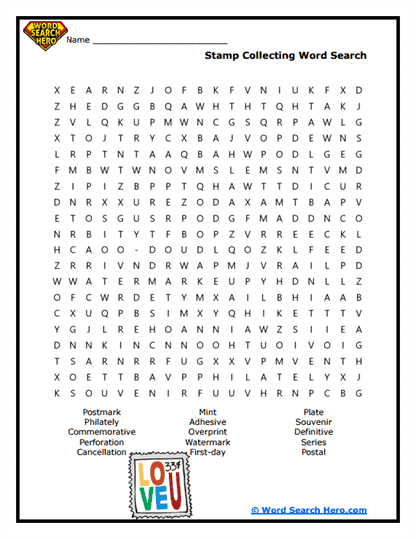
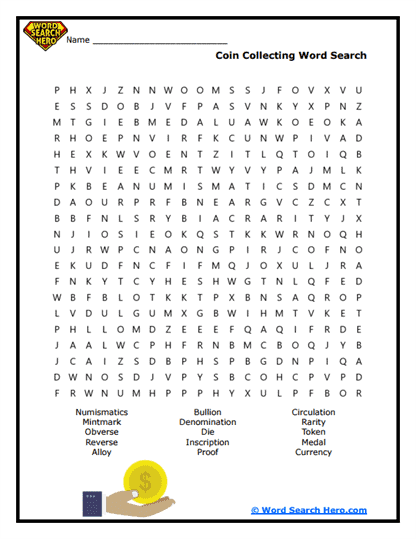
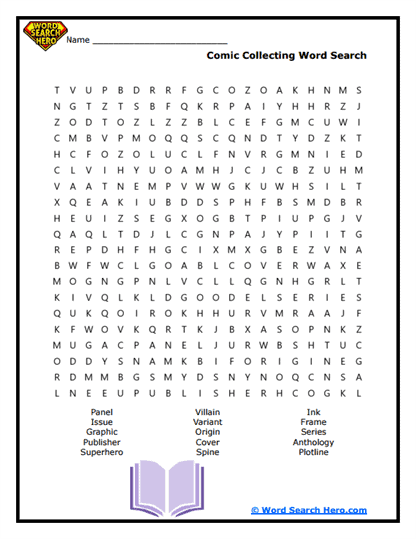
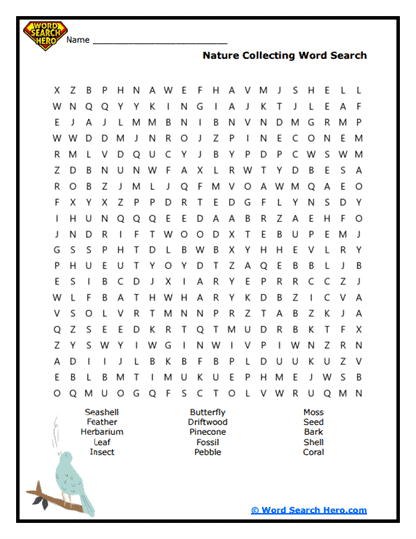
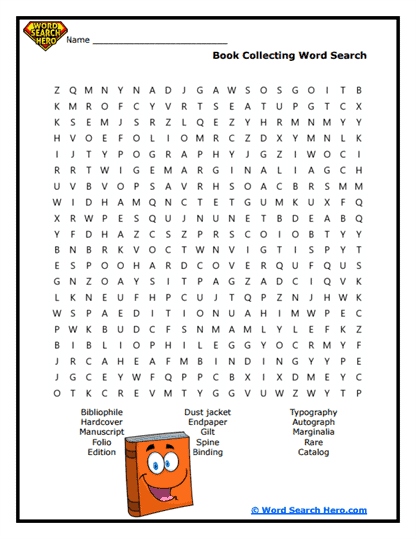
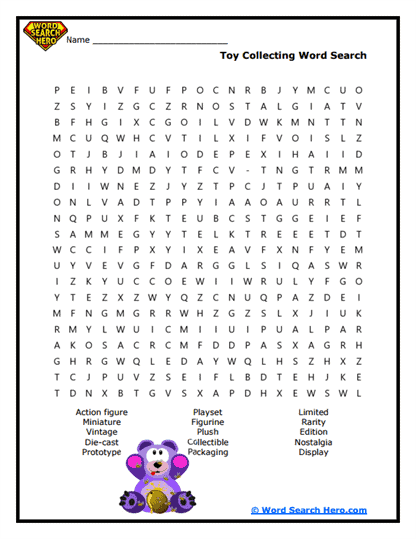
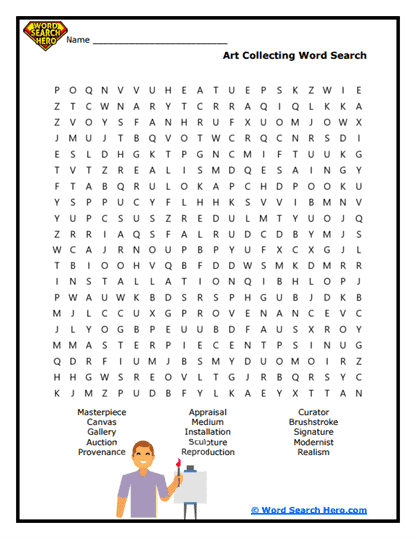
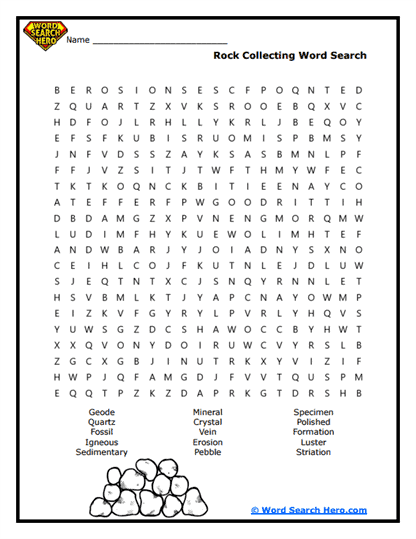
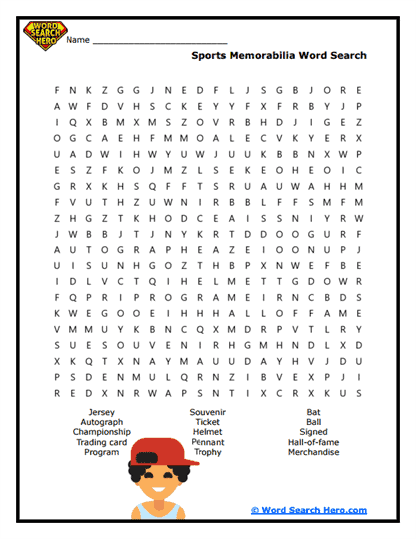
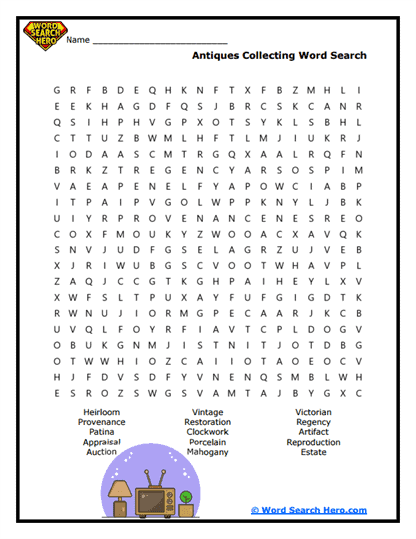
About Our Collecting Things Word Searches
Our Collecting Things Word Searches celebrate one of the most fascinating hobbies people enjoy-gathering and organizing items that hold personal meaning or historical interest. These printable puzzles feature vocabulary connected to popular collectibles, organizing collections, and the thrill of discovering something new to add to a collection. Teachers, parents, and homeschool educators enjoy using themed puzzles like these because they combine engaging gameplay with valuable vocabulary practice.
When participants search for hidden words in the puzzle grid, they strengthen important literacy skills such as spelling recognition, visual scanning, and pattern identification. Word searches encourage careful observation as learners scan rows, columns, and diagonals to locate each word. Even though the activity feels like a game, it quietly reinforces reading fluency and attention to detail.
The theme of collecting is especially engaging because it connects to real-world hobbies. Many students and adults collect items like coins, stamps, trading cards, rocks, or postcards. Seeing these familiar ideas appear in a puzzle helps learners connect vocabulary with personal interests and everyday experiences.
Teachers often use themed puzzles like these as classroom warm-ups, early finisher activities, or quiet transitions between lessons. Parents and homeschool families appreciate how easy they are to print and use during independent learning time or relaxed family activities.
Collecting-themed puzzles also open the door to conversations about curiosity, organization, and history. Many collections tell stories about different places, time periods, or interests. By exploring these words through puzzles, learners strengthen their language skills while thinking about the fascinating world of collections.
The Fascination Behind Collecting
Collecting is a hobby that has fascinated people for generations. From rare coins to colorful trading cards, collections allow people to preserve items that spark curiosity and personal interest. When students encounter collecting-related vocabulary in a puzzle, they begin to see how many different types of collections exist.
Words like stamps, coins, figurines, comics, and antiques often appear in collecting-themed puzzles. Searching for these words encourages learners to recognize spelling patterns and build familiarity with the vocabulary associated with hobbies and collectibles. The activity helps reinforce reading skills while also introducing new ideas.
Teachers sometimes use collecting themes to support lessons about history and culture. Many collectibles reflect the time period in which they were created. For example, stamps may feature historical figures, while coins can represent different countries and eras. Exploring these ideas through vocabulary activities can spark curiosity about the past.
Another reason collecting-themed puzzles are so engaging is that many learners already collect something themselves. Some students gather stickers, sports cards, or small toys, while others enjoy collecting shells, rocks, or leaves. When puzzles reflect these personal interests, students often feel more motivated to complete the activity.
Over time, puzzles like these help learners build vocabulary while encouraging curiosity about hobbies and the stories behind treasured collections.
Paul’s Pro-Tip
Collecting-themed word searches are great for sparking conversations about hobbies. After students finish the puzzle, ask them to circle one word that reminds them of something they might collect.
Then go around the room and let everyone share what they would add to their dream collection. You’ll hear some fun answers-everything from comic books to rare baseball cards. It’s a simple way to turn a quiet puzzle into a lively classroom moment.
Turning Collection Puzzles Into Curiosity Builders
Collecting-themed puzzles can easily lead to creative learning opportunities. Once students finish the word search, teachers can invite them to imagine starting their own collection based on one of the words they discovered in the puzzle.
For example, if a student finds the word coins, they might describe a collection featuring coins from different countries. Another student who spots the word shells might imagine gathering shells from beaches around the world. These discussions encourage learners to think about the stories behind collections.
Another engaging activity is a “mini collection showcase.” Students can bring a small item from home that represents something they collect, such as stickers, trading cards, or small rocks. Sharing these items with classmates helps build confidence and encourages curiosity about different hobbies.
Families can also use collecting puzzles as a starting point for weekend activities. After completing the puzzle, children might begin a small nature collection by gathering leaves, pinecones, or stones during a walk outdoors.
By connecting puzzles with storytelling and exploration, collecting-themed word searches become more than just a puzzle. They become an invitation to discover hobbies, build curiosity, and explore the many fascinating things people enjoy collecting.
Frequently Asked Questions
How can teachers use collecting-themed word searches in the classroom?
Teachers often use these puzzles as warm-up activities, early finisher tasks, or quiet transitions between lessons. Because the theme focuses on hobbies and collectibles, the puzzles can also lead to discussions about personal interests and the history behind certain collections.
Are collecting word searches helpful for homeschool learning?
Yes, they work very well in homeschool environments because they combine vocabulary practice with real-world hobbies. Parents can print a puzzle for independent learning and then talk with children about items people collect and why those collections are meaningful.
Do word searches help students build vocabulary skills?
Word searches reinforce vocabulary by exposing learners to words repeatedly in a visual format. As students search the puzzle grid and identify spelling patterns, they strengthen word recognition skills that support reading comprehension and fluency.
What age groups enjoy collecting-themed word searches the most?
Elementary and middle school students often enjoy these puzzles because the topic connects to hobbies many children already have. However, older students and adults can also enjoy them as relaxing brain challenges that strengthen concentration and attention to detail.
Can these puzzles encourage curiosity about hobbies?
Absolutely. When learners discover words related to different types of collections, it often sparks curiosity about new hobbies they might enjoy. This curiosity can lead to discussions about history, creativity, and the joy of discovering and preserving interesting items.