Choose a topic !

Commuting Word Searches

Transit Trek Word Search

Transit Trek

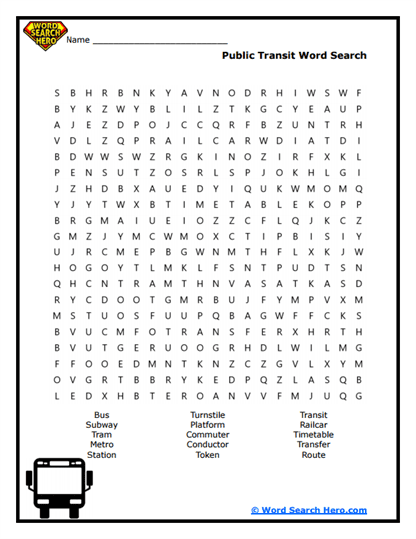
This word search focuses on vocabulary related to public transportation. It includes words like “bus,” “tram,” “conductor,” and “platform,” all commonly associated with commuting. Students can explore different types of transit systems, their components, and key terminology used when navigating public transport. Finding these words in the puzzle will reinforce their understanding of urban mobility […]

View More
Traffic Trouble Word Search

Traffic Trouble

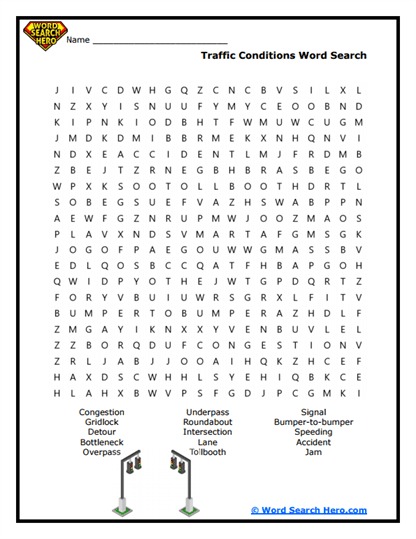
This worksheet includes words related to traffic conditions and congestion. It highlights important terms such as “gridlock,” “intersection,” “speeding,” and “accident,” which are commonly encountered in discussions about roadways and urban planning. The word search helps students familiarize themselves with different traffic scenarios, from bottlenecks to roundabouts. Recognizing these terms can be useful in understanding […]

View More
Driving Gear Word Search

Driving Gear

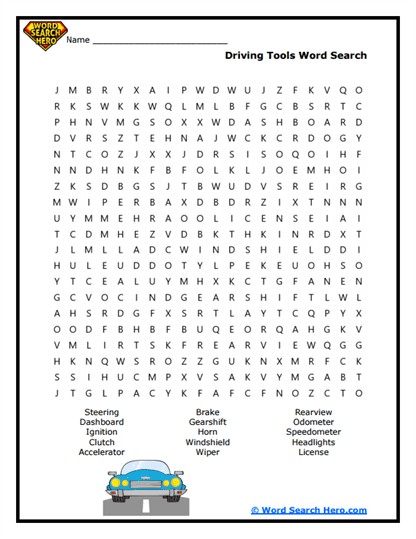
This puzzle introduces students to vocabulary related to driving tools and car components. Words like “steering,” “dashboard,” “gearshift,” and “speedometer” are included to familiarize students with car interiors and controls. The word search helps students learn about different vehicle features, their functions, and their importance in safe driving. These terms are particularly useful for students […]

View More
Ride Revolution Word Search

Ride Revolution

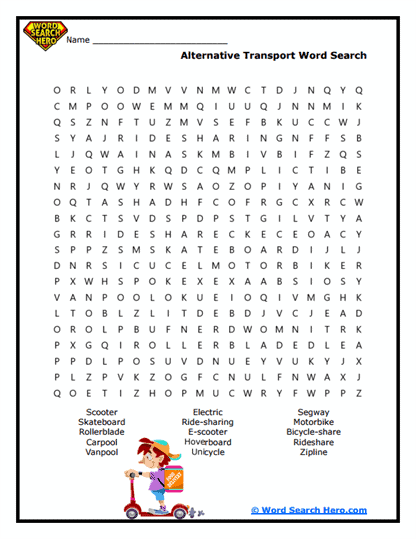
This worksheet focuses on alternative transportation methods, introducing words like “scooter,” “carpool,” “e-scooter,” and “hoverboard.” It includes modern and eco-friendly transportation modes such as ride-sharing and vanpools. The puzzle encourages students to think about different ways people commute besides traditional cars and buses. By completing this search, students gain knowledge about emerging transportation trends. Working […]

View More
City Streets Word Search

City Streets

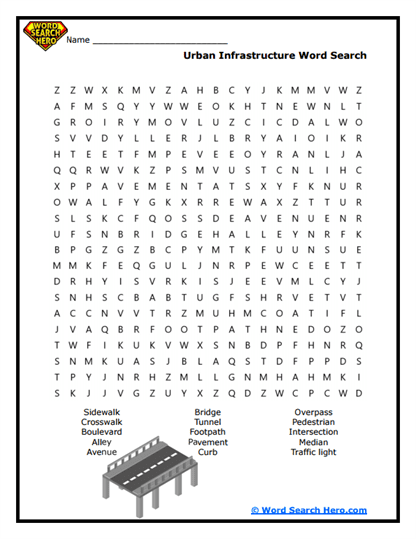
This puzzle explores words related to urban infrastructure, such as “sidewalk,” “crosswalk,” “boulevard,” and “traffic light.” The words highlight key elements of city planning and pedestrian-friendly spaces. By finding these terms, students can better understand the structure and function of roads, bridges, and pedestrian areas. The search encourages awareness of how cities are designed for […]

View More
Green Impact Word Search

Green Impact

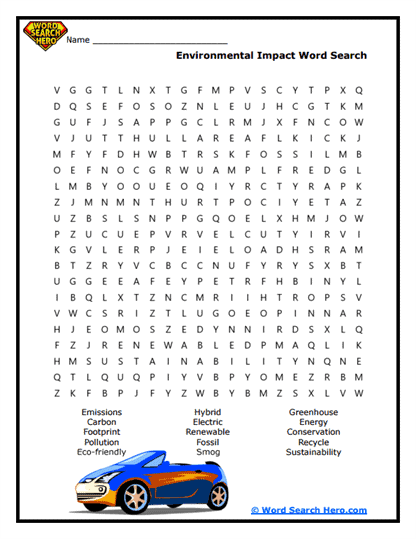
This word search focuses on vocabulary related to environmental sustainability and emissions. Words like “carbon footprint,” “renewable,” “conservation,” and “sustainability” introduce students to concepts of eco-friendly practices and energy efficiency. The puzzle encourages learners to think about the impact of transportation and industry on the environment. By identifying these terms, students gain a better understanding […]

View More
Travel Tracks Word Search

Travel Tracks

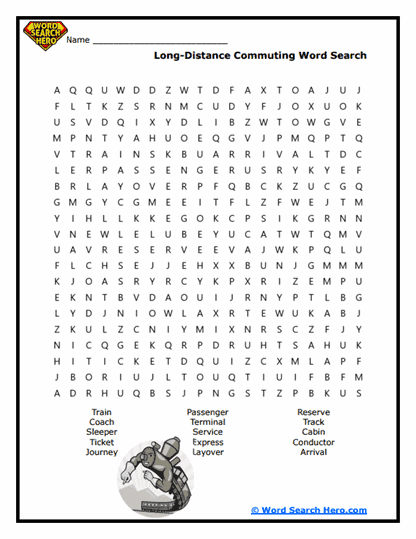
This puzzle focuses on long-distance commuting and train travel, with words like “train,” “terminal,” “sleeper,” and “layover.” It introduces students to transportation systems used for long journeys, including essential terms related to tickets, reservations, and travel logistics. The search encourages learners to explore different modes of intercity travel, such as express trains and sleeper coaches. […]

View More
Weather Wise Word Search

Weather Wise

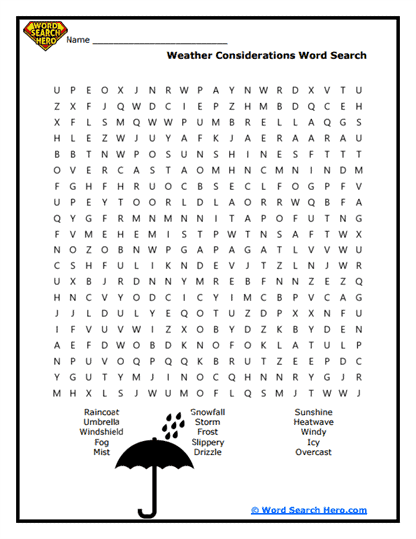
This worksheet introduces vocabulary related to weather conditions that impact travel and commuting. Words like “raincoat,” “umbrella,” “storm,” and “heatwave” highlight different weather scenarios and their effects on transportation. The puzzle encourages students to consider how various weather elements can influence road conditions, flights, and public transit. By identifying these words, learners improve their awareness […]

View More
Commuter Comfort Word Search

Commuter Comfort

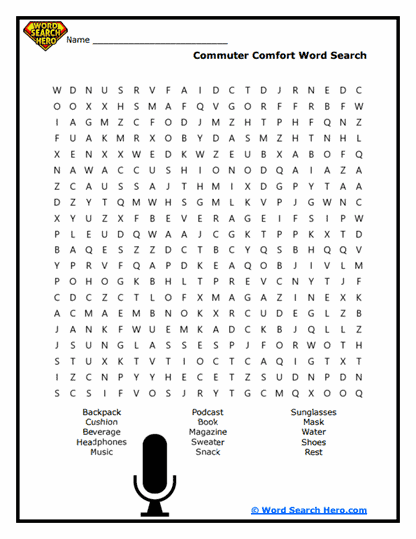
This puzzle focuses on items and activities that make commuting more comfortable. Words like “backpack,” “headphones,” “snack,” and “sweater” highlight personal items that improve the travel experience. The search encourages students to think about ways to make their daily journeys more enjoyable. Recognizing these terms helps students plan and prepare for their commutes efficiently. This […]

View More
Digital Commute Word Search

Digital Commute

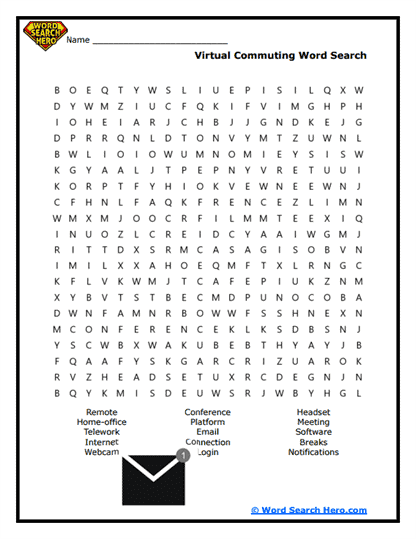
This word search covers vocabulary related to virtual commuting and remote work. Words like “home-office,” “telework,” “webcam,” and “notifications” highlight essential aspects of working or attending meetings from home. The puzzle introduces students to modern work and communication tools that have become increasingly common. Understanding these terms helps students navigate digital workspaces effectively. This activity […]

View More

About Our Commuting Word Searches

Commuting word searches introduce students to vocabulary connected with traveling between home, school, and work. These printable puzzles help learners become familiar with words related to transportation, routes, and the daily journeys people take to reach their destinations. Because commuting is a routine experience for many families, the vocabulary in these puzzles reflects real-life situations students often observe or participate in.

Students exploring this theme may encounter words such as bus, train, car, traffic, route, station, and travel. These words commonly appear in conversations about transportation and daily schedules. A word search provides a fun and engaging way to reinforce this vocabulary while strengthening spelling recognition, reading confidence, and observation skills.

Since the activity feels like a puzzle rather than a traditional worksheet, it can make vocabulary practice more enjoyable. Teachers often use these printables during learning centers, quiet work periods, or early finisher activities. Parents and homeschool educators can also include them in lessons as a screen-free activity that connects language learning with everyday experiences.

As students search the puzzle grid for hidden words, they strengthen concentration, visual scanning abilities, and pattern recognition. These skills support literacy development while keeping the activity interactive and enjoyable.

Understanding Commuting

Commuting refers to the regular travel people make between home and places such as school, work, or other daily destinations. Many people commute at the beginning and end of each day.

There are many ways to commute. Some people drive cars, ride buses, take trains, or use subways. Others may bike or walk if their destination is nearby. Public transportation systems help large numbers of people travel efficiently within cities and communities.

Commuting often involves planning routes, following schedules, and sharing transportation spaces with others. Traffic patterns, transit stations, and travel times can all influence how people choose to commute.

Learning vocabulary connected to commuting helps students understand transportation systems and describe the ways people move through their communities.

Word searches reinforce this learning by giving students repeated exposure to words related to travel and transportation.

Paul’s Pro-TipPaul's Pro Tip For This Category

A highly engaging extension activity is a daily commute mapping activity. After students complete the word search, ask them to draw a simple map showing how they travel from home to school.

Students can include roads, bus stops, train stations, crosswalks, or landmarks they pass along the way. Encourage them to label parts of their map using vocabulary from the puzzle.

This activity helps students connect vocabulary with geography, observation, and real-life travel experiences.

Connecting Transportation Vocabulary to Daily Life

Transportation vocabulary appears frequently in conversations about schedules, travel plans, and community infrastructure. Understanding these words helps students talk about how they move through their communities and how transportation systems work.

Discussing commuting can also introduce students to broader topics such as city planning, environmental choices, and different types of transportation used around the world.

A word search can serve as a warm-up activity before lessons about transportation, geography, or community planning. After completing the puzzle, educators can encourage students to share how they travel to school or describe different transportation methods used in their area.

When students become familiar with vocabulary related to commuting, they strengthen their language skills while learning more about how people travel in everyday life.

Frequently Asked Questions

What are Commuting word searches?

They are puzzles that feature vocabulary related to traveling between home, school, work, and other daily destinations.

Why is it helpful for students to learn commuting vocabulary?

It helps students understand transportation systems and describe how people travel within their communities.

What types of words might appear in these puzzles?

Examples include bus, train, car, traffic, station, route, and travel.

Are these puzzles useful for lessons about communities?

Yes. They can support discussions about transportation, geography, and how cities organize travel systems.

What classroom activity pairs well with this puzzle?

Students can draw a map showing their route from home to school and label important transportation features along the way.