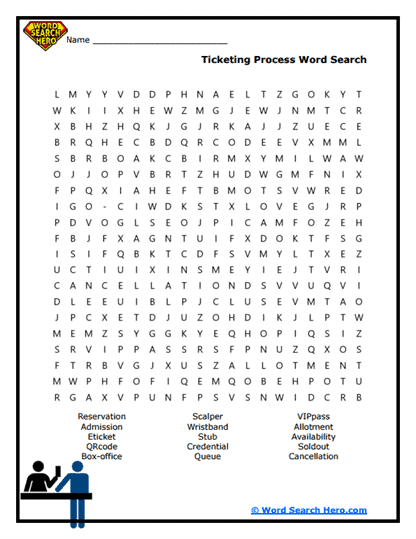
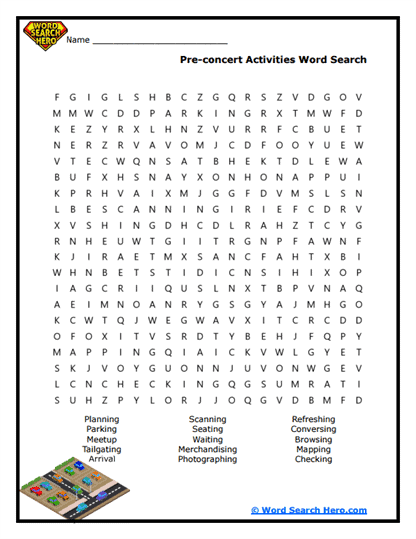
About Our Concerts Word Searches
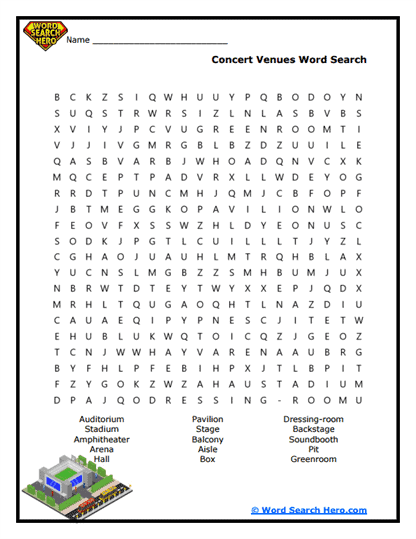
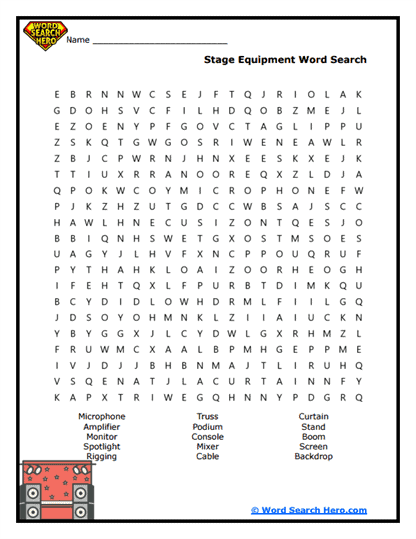
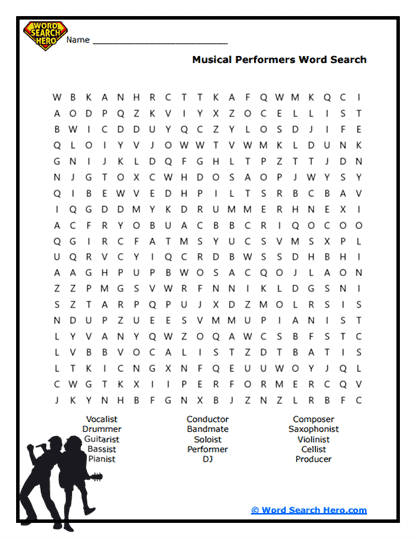
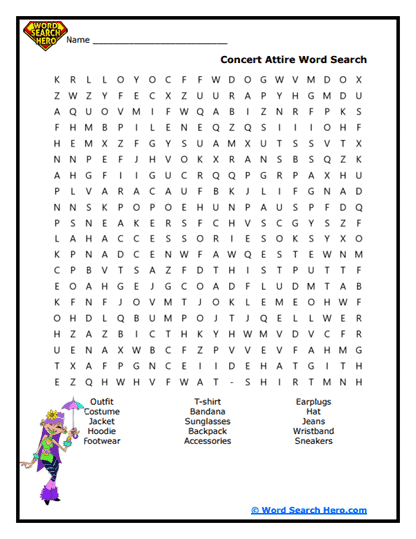
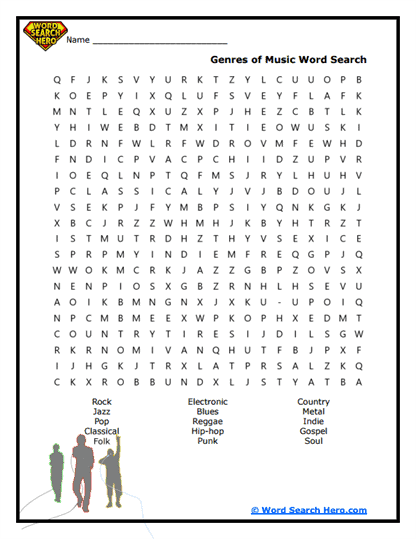
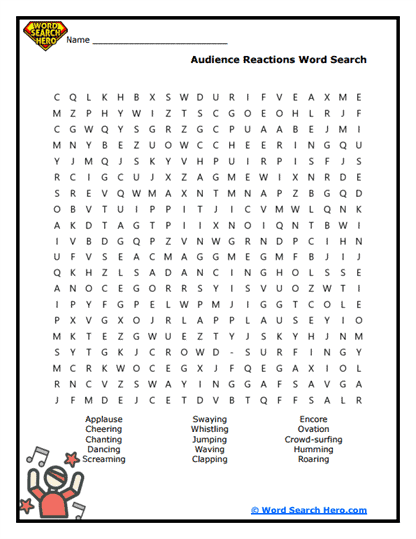
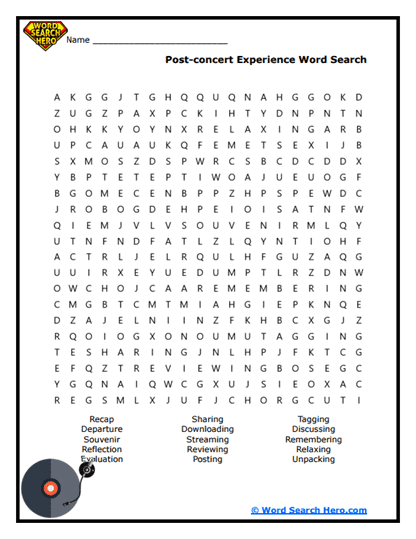
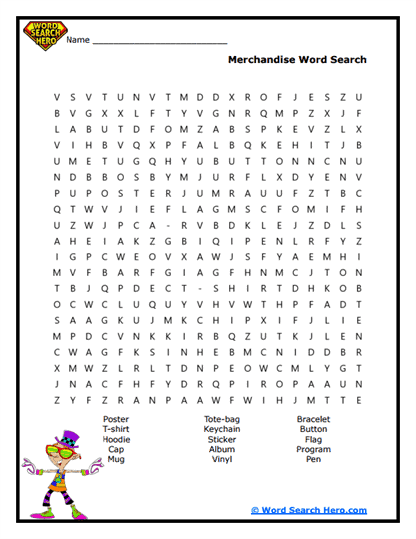
Our Concerts Word Searches capture the excitement and energy of live music events in a fun and engaging puzzle format. These printable word searches feature vocabulary connected to concerts, music performances, instruments, and the lively atmosphere of live shows. Whether used in the classroom, at home, or simply as a relaxing brain activity, these puzzles combine entertainment with valuable reading and vocabulary practice.
As students or puzzle fans search through the grid for hidden words, they strengthen important literacy skills such as pattern recognition, spelling awareness, and concentration. Word searches encourage careful scanning of letters and reinforce word identification skills that support reading development. Even though the activity feels like a simple game, it provides a meaningful way to practice focus and visual processing.
The concert theme makes these puzzles especially engaging because music is something most learners already love and understand. Words related to stages, bands, microphones, and performances often spark curiosity and excitement. This connection to music helps keep participants interested while they build vocabulary and problem-solving skills.
Teachers frequently use themed puzzles like these as classroom warm-ups, early finisher activities, or quiet transitions between lessons. Parents and homeschool educators also appreciate how easy they are to use. A printed puzzle can quickly become a calm and productive activity during independent study time, travel, or rainy afternoons at home.
Because concerts bring people together to share music and memorable moments, the vocabulary in these puzzles reflects excitement, creativity, and performance. Exploring these words through a puzzle encourages learners to think about music, instruments, and the shared experience of live entertainment while strengthening literacy skills at the same time.
The Language of Live Music
Concerts introduce people to a rich world of musical vocabulary. From the moment the lights dim and the first note plays, audiences experience a variety of terms related to performance, sound, and stage production. When these words appear in a puzzle, they become easier for learners to recognize and remember.
Words such as stage, audience, spotlight, guitar, and encore all reflect elements of the live music experience. As participants search for these words in a puzzle grid, they begin to notice spelling patterns and letter combinations that strengthen reading fluency. The more often learners encounter these terms, the more comfortable they become recognizing them in everyday reading.
Teachers sometimes use music-themed activities to support lessons about the arts. Concert-related puzzles can complement units about musical instruments, performance traditions, or famous composers and bands. This connection helps students see how language and music often work together to tell stories and create memorable experiences.
Another advantage of the concert theme is its broad appeal. Students who enjoy singing, playing instruments, or listening to music are naturally drawn to activities that reflect their interests. The puzzle becomes both a relaxing challenge and a celebration of music culture.
Over time, activities like these build vocabulary while encouraging students to think about the many pieces that make a concert successful-from performers and instruments to the audience cheering in the crowd.
Paul’s Pro-Tip
Concert-themed word searches are great for quick classroom fun. After students finish the puzzle, ask them to pick one word they found and imagine it as part of a concert scene.
Maybe someone found the word “guitar” and imagines a rock band on stage, or someone spotted “microphone” and pictures a singer performing for a huge crowd. It’s amazing how quickly a simple puzzle can turn into a creative storytelling moment.
If you want to add a little excitement, play a short piece of music while students work on the puzzle. Suddenly the classroom feels like a mini concert hall!
Bringing Music Into Puzzle Time
One of the best ways to use concert-themed puzzles is by connecting them with music listening activities. When students complete a word search while hearing music in the background, the experience becomes more immersive and memorable. Even soft instrumental music can create an atmosphere that reflects the concert theme.
Teachers can also use the puzzle as a starting point for short discussions about music genres. After finishing the puzzle, students might identify which words relate to rock concerts, orchestras, or school band performances. This encourages learners to think about the different styles of music people enjoy.
Another engaging activity is having students design their own imaginary concert. Using words they discovered in the puzzle, they can describe the stage, the instruments being played, and the audience watching the performance. Some students may even enjoy drawing their concert scene or writing a short story about it.
Families can enjoy similar activities at home. After completing a puzzle, children might share their favorite songs or talk about a concert they would love to attend someday. These conversations help reinforce vocabulary while celebrating the joy of music.
By combining puzzles with creative discussion and listening activities, educators and parents can turn a simple word search into a fun exploration of music, performance, and creativity.
Frequently Asked Questions
How can teachers use concert-themed word searches in the classroom?
Teachers often use these puzzles as warm-up activities, early finisher tasks, or quiet transitions between lessons. Because the theme centers on music and performance, it can also introduce discussions about instruments, concerts, and the role of music in culture.
Are concert word searches helpful for homeschool learning?
Yes, they work very well in homeschool settings because they combine vocabulary practice with a topic many students already enjoy. Parents can easily print a puzzle and follow it with music listening or creative activities that reinforce the vocabulary.
Do word searches help students learn music-related vocabulary?
Word searches help reinforce vocabulary by repeatedly exposing learners to words connected to concerts and music performances. As students scan the grid and identify spelling patterns, they build recognition skills that support reading and comprehension.
What age groups enjoy concert-themed word searches the most?
Elementary and middle school students often find these puzzles especially engaging because the topic connects to music they hear every day. However, older students and adults can also enjoy them as relaxing brain exercises that strengthen focus and vocabulary.
Can these puzzles encourage creativity and discussion?
Absolutely. Once students find words connected to concerts and performances, they often enjoy imagining what a live show might look like. This naturally leads to conversations about music, instruments, and favorite artists, making the activity both educational and entertaining.