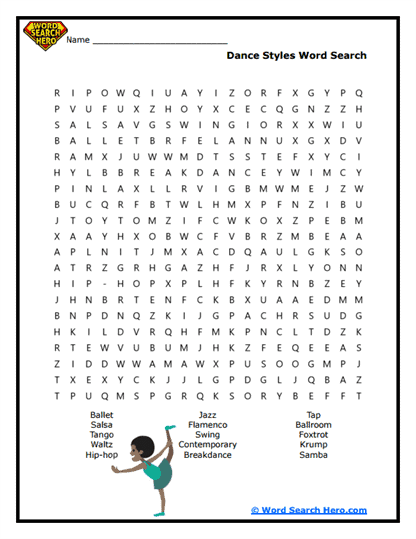
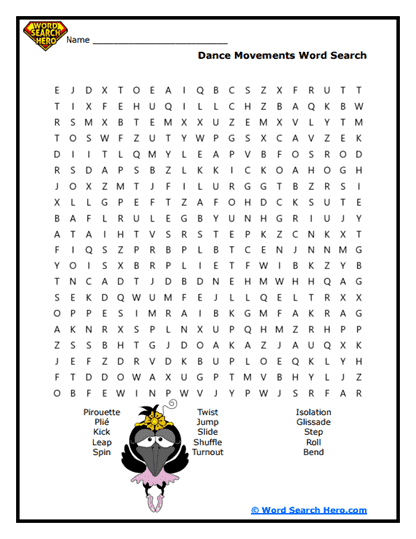
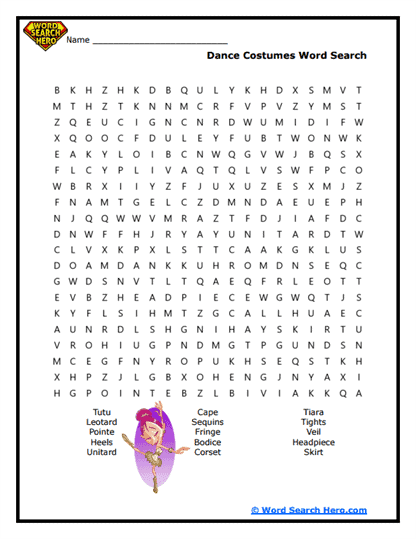
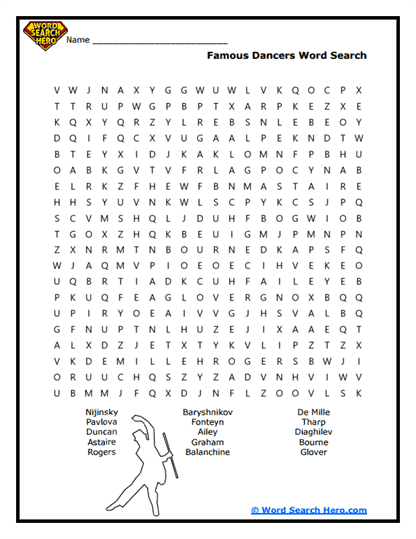
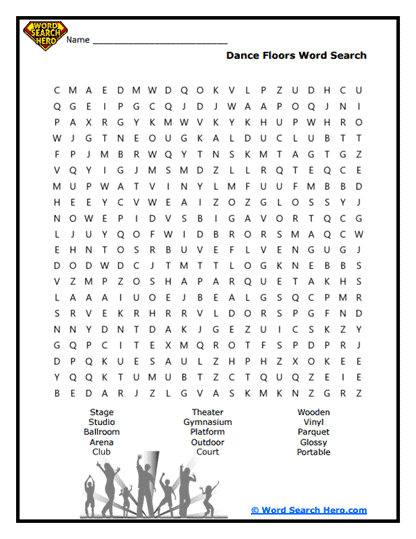
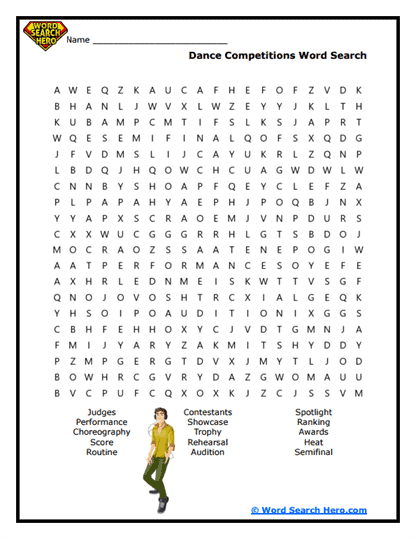
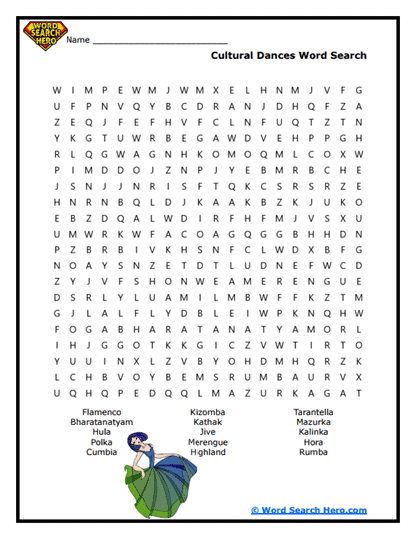
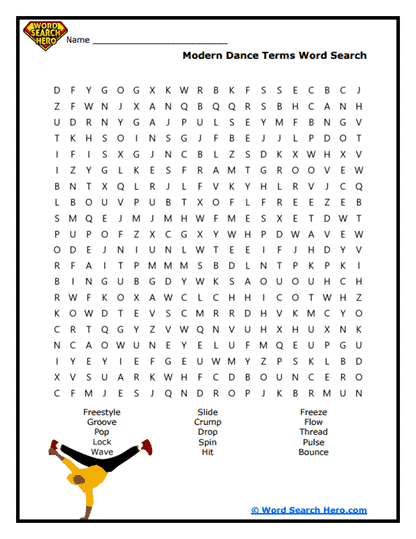
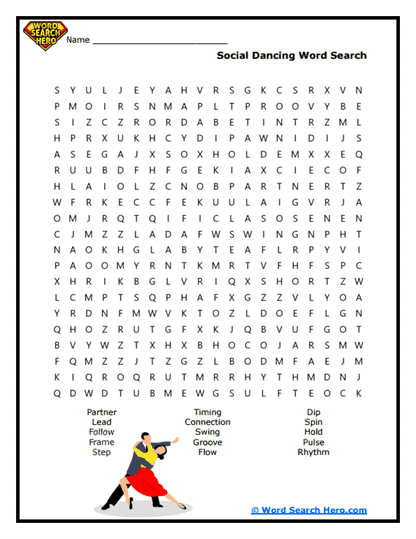
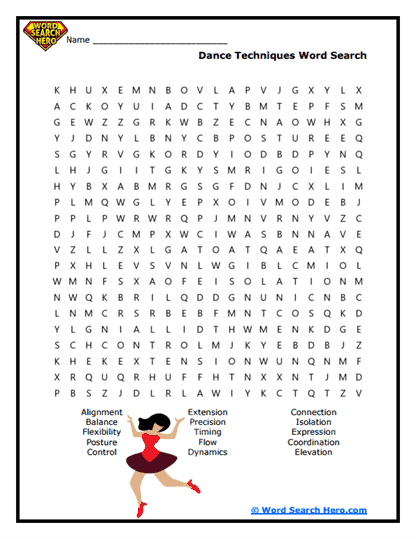
About Our Dancing Word Searches
Our Dancing Word Searches celebrate the joy of movement, rhythm, and creative expression while providing a fun and engaging puzzle activity. These printable puzzles feature vocabulary connected to dance styles, music, movement, and performance. Teachers, parents, and homeschool educators often enjoy using themed puzzles like these because they combine artistic topics with meaningful vocabulary and reading practice.
As participants search through the puzzle grid for hidden words, they strengthen essential literacy skills such as spelling recognition, visual scanning, and pattern identification. Word searches encourage learners to carefully examine rows, columns, and diagonals while locating each word. Even though the activity feels like a game, it quietly reinforces reading fluency, concentration, and attention to detail.
The dancing theme is especially engaging because it connects to music, movement, and celebration. Words related to rhythm, steps, spins, and performances often remind learners of school dances, performances, or simply dancing along to their favorite songs. This familiarity helps keep participants motivated while strengthening word recognition and vocabulary development.
Teachers often include dance-themed puzzles as warm-up activities, early finisher tasks, or short brain breaks between lessons. Parents and homeschool families also appreciate how easy the puzzles are to print and use during independent learning time or before an active movement break.
By combining creative vocabulary with an engaging puzzle format, dancing word searches encourage imagination and movement while strengthening language and reading skills.
The Language of Dance and Rhythm
Dance is a form of artistic expression that combines music, movement, and storytelling. Around the world, many different dance styles exist, each with its own rhythms, steps, and traditions. When learners explore dance-related vocabulary through puzzles, they begin to recognize the language used to describe movement and performance.
Common dance words might include rhythm, step, spin, leap, twirl, and stage. As participants search for these words inside the puzzle grid, they practice recognizing spelling patterns and strengthening word recognition skills. Repeated exposure helps reinforce vocabulary while keeping the activity enjoyable.
Teachers sometimes connect dance vocabulary with lessons about culture and performing arts. Students may learn about traditional dances from different countries or modern dance styles seen in performances and competitions. Recognizing these terms in puzzles can help reinforce what they learn in music or arts lessons.
Another advantage of dance-themed puzzles is how easily they spark conversation. After completing the puzzle, students often enjoy talking about dance styles they have seen, songs they like to dance to, or performances they have watched.
By exploring dance vocabulary through puzzles, learners strengthen language skills while celebrating creativity, rhythm, and movement.
Paul’s Pro-Tip
Dance-themed word searches are perfect before a quick movement break. I like to challenge students to find a few action words in the puzzle before we stand up and move.
Once they discover them, we try doing some simple dance moves like spinning, stepping, or clapping to a rhythm. It turns the puzzle into a fun way to get everyone energized and ready to learn again.
Turning Dancing Puzzles Into Creative Activities
Dancing word searches can easily lead to creative classroom or homeschool activities. After completing the puzzle, teachers can invite students to choose one dance-related word they discovered and demonstrate or describe the movement.
For example, a student who finds the word spin might show how dancers twirl during a performance. Another learner who spots the word leap might describe how dancers jump gracefully as part of a routine. These activities reinforce vocabulary while connecting language with movement.
Another engaging extension is a dance routine challenge. Students can use several words from the puzzle to create a short dance sequence. They might include spins, steps, or claps to create a fun performance for the class.
Families can also connect puzzles with music and movement at home. After completing the word search, children might play their favorite song and try a few simple dance moves inspired by the puzzle words.
By linking puzzles with movement and creativity, educators and parents transform a simple word search into an activity that celebrates rhythm, expression, and joyful movement.
Frequently Asked Questions
How can teachers use dancing word searches in the classroom?
Teachers often use these puzzles as warm-up activities, early finisher tasks, or short brain breaks between lessons. Because the theme connects to music and movement, the puzzles can easily lead into dance or rhythm activities that energize the class.
Are dancing word searches helpful for homeschool learning?
Yes, they work very well in homeschool environments because they combine vocabulary practice with creative movement. Parents can print a puzzle and then follow it with music and simple dance activities at home.
Do word searches help students learn arts-related vocabulary?
Word searches reinforce vocabulary by repeatedly exposing learners to arts and performance terms in a visual format. As students scan the puzzle grid and recognize spelling patterns, they strengthen word recognition skills that support reading comprehension.
What age groups enjoy dancing-themed word searches the most?
Elementary and middle school students often enjoy these puzzles because the theme connects to music, movement, and fun activities. However, older students and adults can also enjoy them as relaxing brain challenges that reinforce vocabulary and concentration.
Can these puzzles encourage creativity and movement?
Absolutely. When learners discover words related to dancing and rhythm, it often sparks the desire to move and express themselves through music. The puzzle can become the starting point for creative movement activities and artistic exploration.