Choose a topic !

Doing Laundry Word Searches

Shop Talk Word Search

Shop Talk

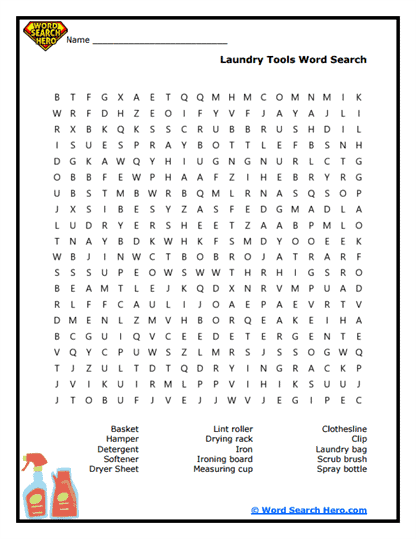
This word search focuses on tools and accessories commonly found in a laundry room. Words like “basket,” “spray bottle,” and “dryer sheet” represent essential items used in sorting, washing, and drying clothes. Students will search the grid to find each item, reinforcing recognition of laundry-related vocabulary. The word list builds familiarity with everyday utility items […]

View More
Action Wash Word Search

Action Wash

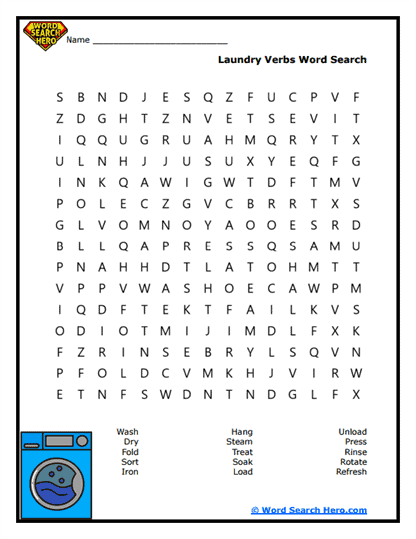
This worksheet emphasizes verbs that describe the processes involved in doing laundry. Action words like “wash,” “fold,” “steam,” and “load” guide students through typical laundry tasks. The activity encourages learners to identify and familiarize themselves with verbs used in laundry contexts. It’s a dynamic vocabulary set that shows how language connects with daily routines. Working […]

View More
Wash Cycle Word Search

Wash Cycle

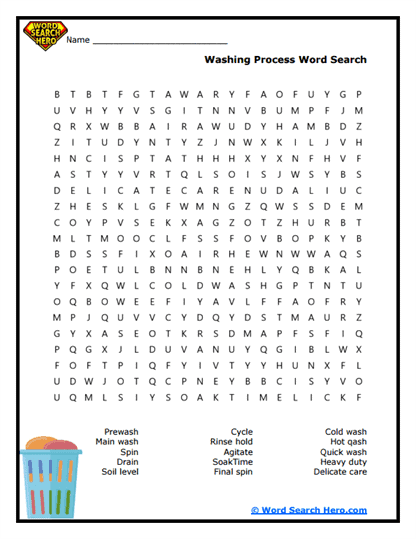
This puzzle highlights vocabulary associated with the steps in the washing process. Words such as “prewash,” “rinse hold,” “final spin,” and “drain” teach students the order and terms of a typical laundry cycle. It familiarizes students with terminology found on modern washing machines. These words help demystify the different phases of laundering clothes. This worksheet […]

View More
Fabric Frenzy Word Search

Fabric Frenzy

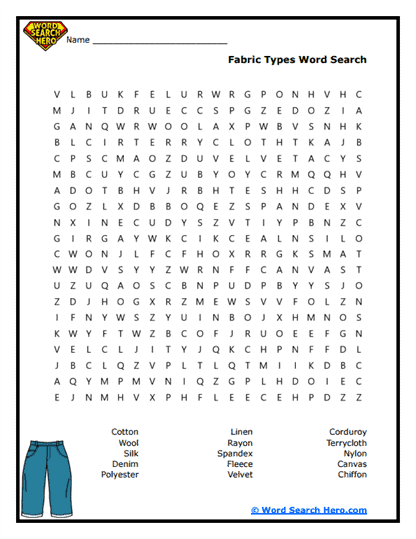
This worksheet presents fabric-related vocabulary such as “cotton,” “polyester,” “fleece,” and “denim.” Students learn to recognize various materials used in clothing and household textiles. Each word represents a fabric type they might encounter in daily life. It’s a useful introduction to texture and fabric care vocabulary. By identifying fabric names, students expand their descriptive vocabulary […]

View More
Setting Select Word Search

Setting Select

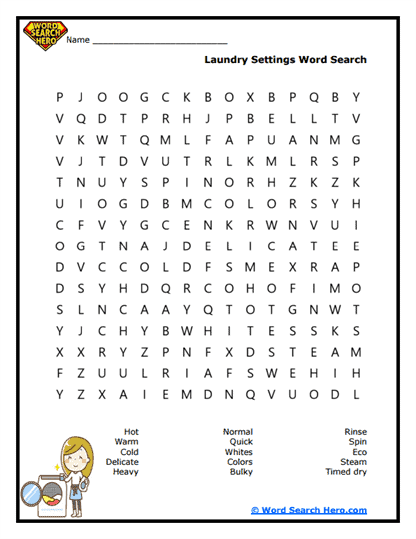
This activity includes vocabulary tied to laundry machine settings like “delicate,” “eco,” “quick,” and “spin.” These words are typically found on laundry control panels. Students get to know options available when doing laundry and the reasoning behind each setting. This word search introduces both common and advanced laundry vocabulary. This worksheet strengthens word association between […]

View More
Stain Seekers Word Search

Stain Seekers

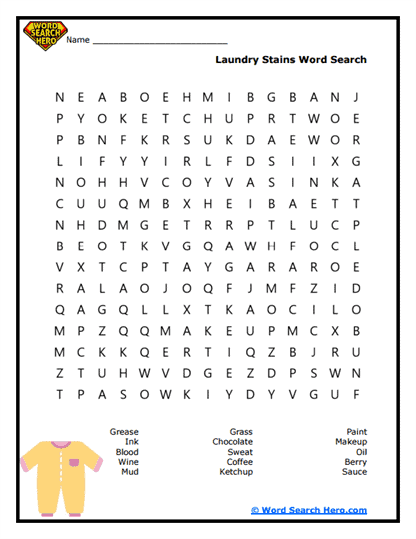
This puzzle is all about laundry stains-things that make clothes dirty like “grease,” “chocolate,” and “makeup.” Students identify types of stains that laundry processes aim to remove. It helps them understand cause-and-effect relationships in cleaning. This activity makes vocabulary learning both practical and relatable. This worksheet builds vocabulary around common household challenges and solutions. It […]

View More
Closet Finds Word Search

Closet Finds

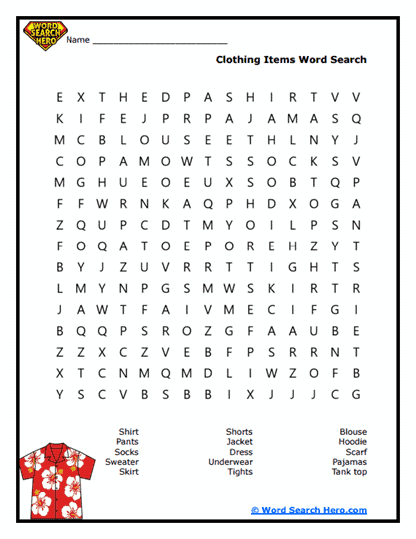
This worksheet includes vocabulary for common clothing items like “shirt,” “pants,” “hoodie,” and “pajamas.” These are everyday items students see or wear, making the vocabulary highly relevant. The puzzle provides a fun way to match spoken language to written forms. It’s a practical vocabulary builder. This activity supports vocabulary acquisition through word recognition of tangible, […]

View More
Symbol Searcher Word Search

Symbol Searcher

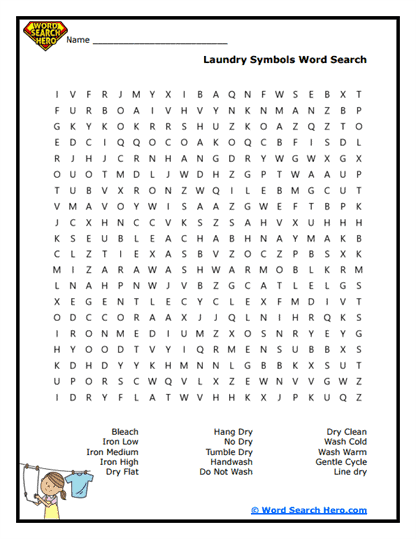
Students explore laundry symbols and care labels with terms like “bleach,” “handwash,” and “do not wash.” The puzzle teaches vocabulary seen on laundry tags, useful for independent living. It helps decode symbol meanings and reinforces safety with fabrics. This worksheet connects language learning with visual cues. This worksheet improves functional literacy by tying language to […]

View More
Dryer Dash Word Search

Dryer Dash

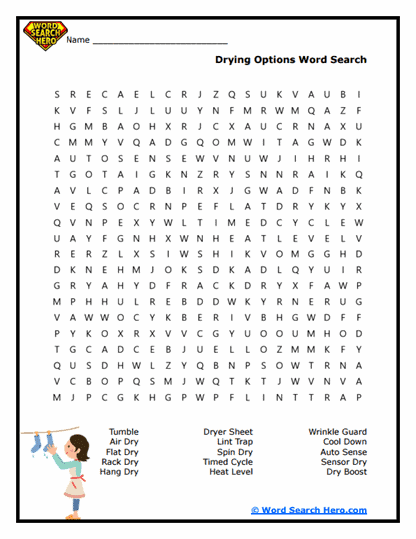
This worksheet contains vocabulary about drying options such as “tumble,” “heat level,” and “air dry.” It teaches the settings and features found on dryers. The vocabulary aligns with real-world dryer functions and settings. Students get familiar with drying terminology used in home appliances. The worksheet helps develop reading and recognition of appliance interface vocabulary. It […]

View More
Laundry Lab Word Search

Laundry Lab

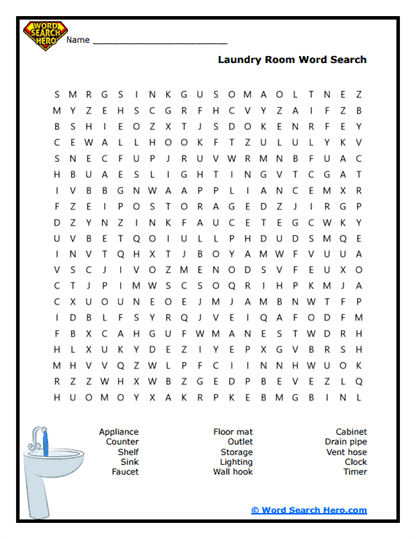
This final word search focuses on the physical space and utilities found in a laundry room. Vocabulary includes “cabinet,” “appliance,” “outlet,” and “floor mat.” These words describe infrastructure and equipment used in a typical laundry area. It’s a great way to reinforce household terminology. Students improve vocabulary connected to spatial awareness and functional household areas. […]

View More

About Our Doing Laundry Word Searches

Doing Laundry word searches introduce students to vocabulary connected with washing, drying, and caring for clothing. These printable puzzles help learners become familiar with words related to laundry tasks, machines, and clothing care. Because laundry is a common household responsibility, the vocabulary in these puzzles helps students connect learning with real-life routines.

Students exploring this theme may encounter words such as wash, dry, detergent, clothes, fold, basket, and laundry. These words frequently appear in conversations about household chores and daily responsibilities. A word search provides a fun way to reinforce this vocabulary while strengthening spelling recognition, reading confidence, and observation skills.

Since the activity feels like a puzzle rather than a traditional worksheet, it can make vocabulary practice more enjoyable. Teachers often use these printables during learning centers, quiet work periods, or early finisher activities. Parents and homeschool educators can also include them in lessons as a screen-free activity that connects reading with practical life skills.

As students search the puzzle grid for hidden words, they strengthen concentration, visual scanning abilities, and pattern recognition. These skills support literacy development while keeping the activity interactive and relaxing.

Understanding the Process of Doing Laundry

Laundry is the process of cleaning clothing, towels, and other fabrics. Most laundry routines involve several steps that help keep clothes clean and organized.

First, clothes are usually sorted by color or fabric type. This helps prevent colors from mixing and protects delicate materials. Next, the clothes are placed in a washing machine with water and detergent, which removes dirt and stains.

After washing, clothes are moved to a dryer or hung up to air dry. Once dry, many items are folded or hung so they stay neat and ready to wear.

Doing laundry teaches useful life skills such as organization, responsibility, and care for personal belongings. Students who learn about these tasks gain a better understanding of how everyday household routines work.

Word searches reinforce this learning by giving students repeated exposure to vocabulary connected with clothing care and household responsibilities.

Paul’s Pro-TipPaul's Pro Tip For This Category

A great extension activity is a laundry sorting challenge. After students complete the word search, provide pictures or examples of clothing items.

Ask students to sort the items into categories such as light colors, dark colors, towels, or delicate fabrics. Students can explain why certain items should be washed together.

This activity helps students connect vocabulary with practical decision-making and organization skills.

Learning Responsibility Through Everyday Tasks

Household tasks like laundry help students learn responsibility and independence. Participating in chores teaches children how to care for their belongings and contribute to maintaining a clean living space.

Vocabulary related to laundry appears frequently in conversations about chores and routines. When students learn these words, they become better able to describe tasks and understand instructions related to clothing care.

A word search can serve as a calm classroom activity before discussions about responsibilities at home. After completing the puzzle, educators can encourage students to talk about chores they help with or describe how clothes are cleaned in their homes.

When students become familiar with vocabulary related to doing laundry, they strengthen their language skills while gaining awareness of practical life routines.

Frequently Asked Questions

What are Doing Laundry word searches?

They are puzzles that feature vocabulary related to washing, drying, and caring for clothing.

Why is it useful for students to learn laundry-related vocabulary?

It helps students understand household routines and communicate about clothing care and chores.

What kinds of words might appear in these puzzles?

Examples include wash, dry, fold, detergent, basket, clothes, and machine.

Are these puzzles appropriate for younger learners?

Yes. Many of the words describe simple tasks that children may observe or help with at home.

What classroom activity pairs well with this puzzle?

Students can sort different clothing items into laundry categories such as colors, fabrics, or washing methods.