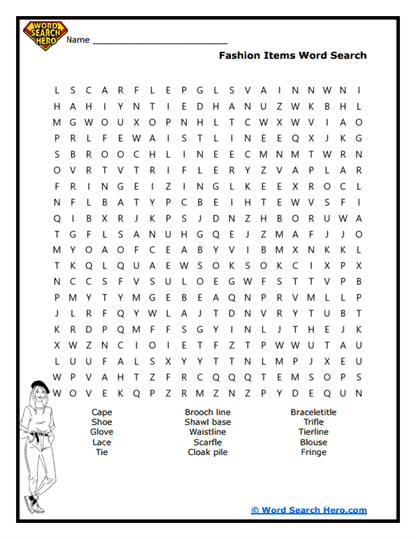
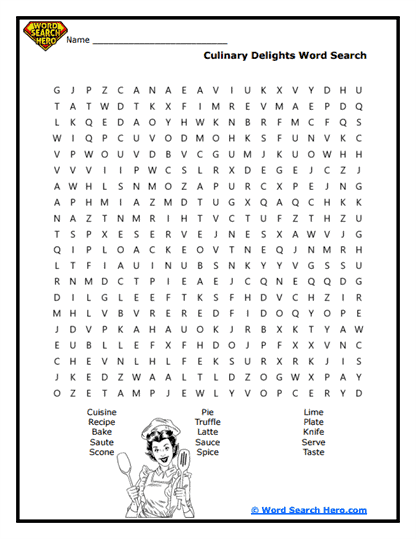
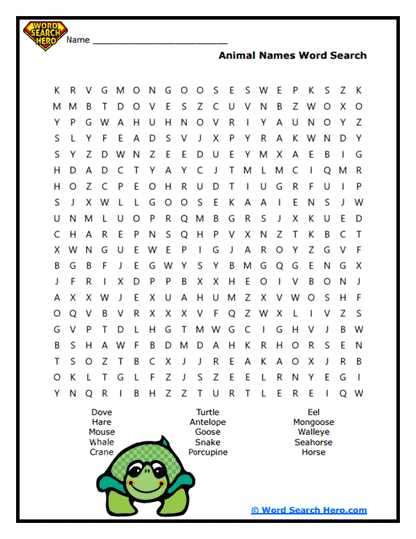
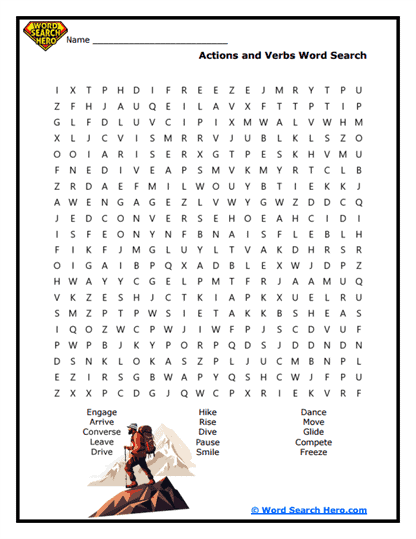
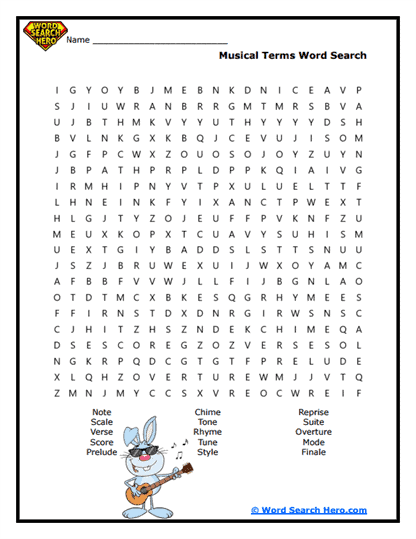
About Our Ends With Letter E Word Searches
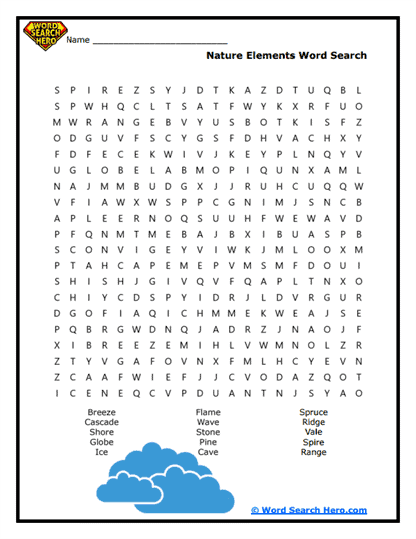
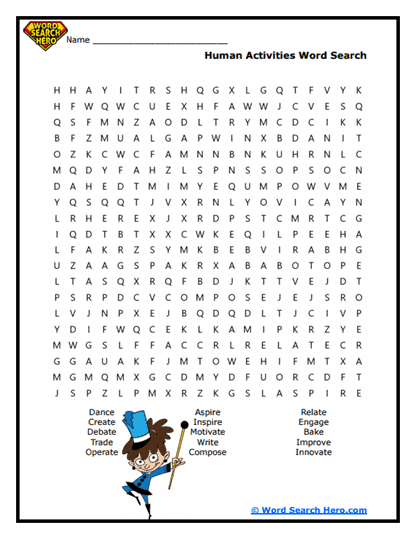
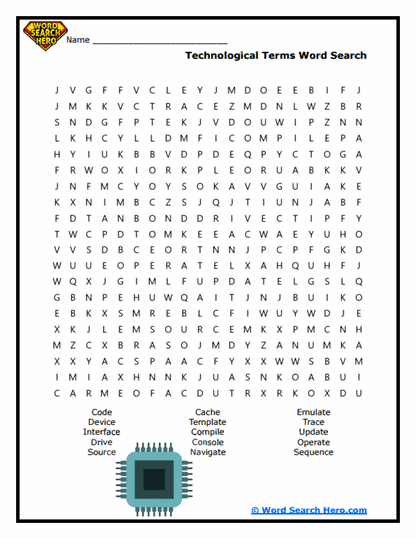
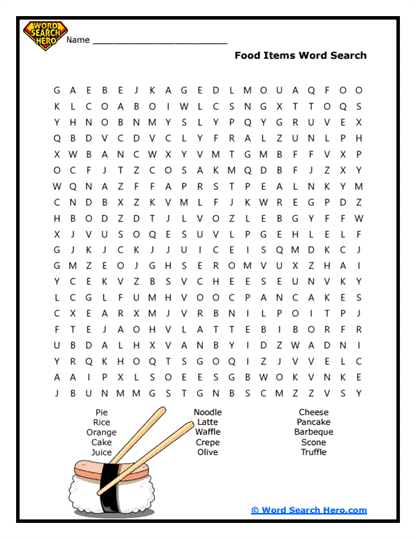
Our Ends With Letter E word searches bring together a wide mix of everyday vocabulary, all connected by one familiar pattern-every word ends in “E.” What makes this collection especially engaging is how broad the topics are. Learners move from nature words like “breeze” and “shore” to action verbs like “create” and “debate,” and even into technology, food, fashion, and music.
That variety gives these puzzles a natural, real-world feel. Students aren’t just practicing spelling-they’re encountering words they’re likely to see in reading, conversations, and across subjects. Whether it’s exploring landscapes, describing movement, or understanding digital tools, the vocabulary reflects how language is actually used.
The consistent ending provides a helpful anchor, especially when words vary in length and complexity. It encourages learners to read all the way through each word, reinforcing accuracy and attention to detail. This makes the collection a great fit alongside broader language work like vocabulary development or topic-based exploration such as animals, where many of these words naturally connect.
Why So Many Words Depend on That Final “E”
The final “E” is doing more work than most students realize.
In many cases, that single letter changes how a word sounds, what it means, or even whether it works at all. Compare “cap” and “cape,” or “rid” and “ride.” Without the “E,” the word either shifts pronunciation or stops making sense entirely. These puzzles give students repeated exposure to that transformation in a natural, low-pressure way.
What makes this collection especially effective is how that pattern shows up across different types of vocabulary. A short word like “ice” behaves the same way as a longer one like “interface” or “overture.” That consistency helps learners recognize that spelling patterns aren’t random-they follow rules that apply across subjects.
It also creates a bridge into deeper language understanding. Students begin to see how endings influence pronunciation and structure, which connects directly to reading development and spelling awareness. This pairs well with foundational topics like long vowels or comparisons with other pattern-based sets such as ends-with-letter-d, where endings signal something completely different.
Paul’s Pro-Tip

Here’s a simple strategy that works like magic with this set:
Tell students, “Start at the end.”
Have them scan the grid for “E” first, then build the word backward. It feels a little backward at first-but that’s the point.
Once they try it, they realize how much faster it is. Instead of guessing at beginnings, they’re anchoring their search with a known ending.
And the best part? That same habit carries into reading. They start checking the full word-not just the first few letters-and that’s a huge win.
Create Before-and-After Word Comparisons
This is where the learning really clicks.
After students complete the puzzle, have them choose a few words and remove the final “E”:
- “cape” → “cap”
- “dive” → “div”
- “tune” → “tun”
Then ask: what changed?
Sometimes the word still exists but sounds different. Sometimes it stops being a real word entirely. That contrast helps students see that the final “E” isn’t just there-it has a purpose.
You can extend this by having students:
- Sort words that still work without the “E” vs. those that don’t
- Read both versions out loud to hear the difference
- Use the original word in a sentence
This pairs well with literacy work in phonics or expressive activities like writing, where students can apply these patterns in their own sentences.
By comparing before-and-after versions, students move from spotting patterns to actually understanding how spelling shapes meaning.
Frequently Asked Questions
What are Ends With Letter E word searches?
They are printable word search puzzles where every hidden word ends with the letter E, helping learners recognize patterns in spelling and word structure.
How can teachers use these puzzles in the classroom?
They are especially useful for reinforcing spelling patterns like silent “e,” and can be used in literacy centers, warm-ups, or reading-focused lessons.
Are these puzzles useful for homeschool learning?
Yes. They are flexible, easy to print, and can be used for spelling practice, vocabulary building, or quick learning breaks.
Do these puzzles help with spelling rules?
Yes-but more specifically, they help students see how the final “E” affects pronunciation and meaning, rather than just memorizing the rule in isolation.
What skills do these puzzles develop?
They strengthen full-word reading, pattern recognition, pronunciation awareness, and vocabulary application across real-world topics.