About Our Ends With Letter F Word Searches
Our Ends With Letter F word searches take a simple idea-every word ends in “F”-and turn it into a surprisingly engaging language activity. While the structure is straightforward, the vocabulary inside these puzzles is anything but random. Across the collection, students encounter expressive words tied to sound, texture, nature, and imagination.
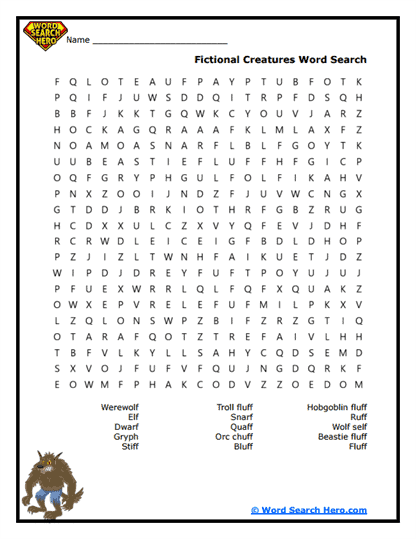
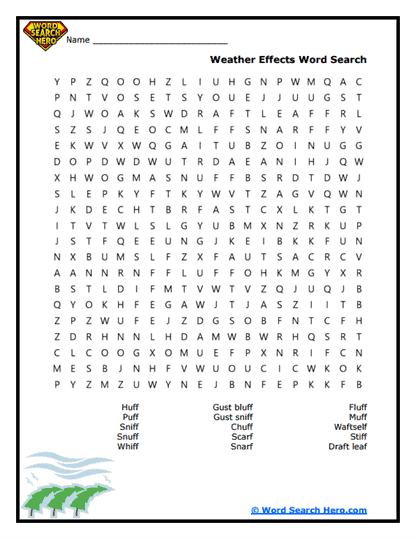
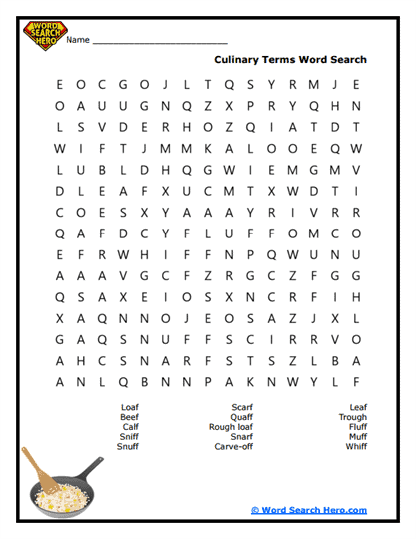
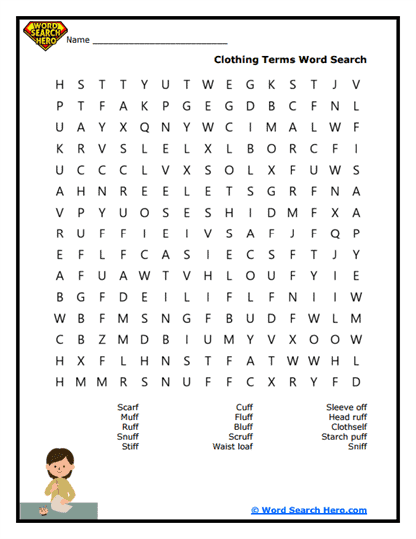
From animal noises like “woof” and “sniff” to landscape terms like “reef” and “bluff,” the words naturally connect to real-world experiences. Some puzzles lean into sensory language, others into fantasy or everyday topics like clothing and food. That range keeps learners interested while reinforcing vocabulary they can actually use and recognize. These puzzles fit especially well alongside topics like onomatopoeia or themed reading units such as mythical creatures, where sound and imagination play a central role.
Because the final “F” is consistent across every answer, students begin to read more deliberately. Instead of guessing based on the first few letters, they confirm the entire word. That small shift builds stronger habits in both reading accuracy and spelling awareness.
From Woof to Puff: Words You Can Almost Hear
One of the most distinctive features of this collection is how many of the words are tied to sound.
Words like “woof,” “puff,” and “sniff” don’t just describe-they imitate. That makes them easier to remember and more engaging to work with. Students aren’t just identifying vocabulary-they’re connecting language to what they hear, feel, and imagine.
This pattern shows up across different themes. In one puzzle, the words reflect animal sounds. In another, they describe weather or movement. Elsewhere, they appear in fantasy settings or everyday objects. Even when the topics shift, the expressive quality of the words stays consistent.
That makes these puzzles especially useful for building descriptive language. Words that carry sound or texture are often the ones students use in storytelling, conversation, and creative writing. This creates a natural link to skills like descriptive language or reading genres such as fantasy stories, where vivid wording helps bring scenes to life.
Instead of feeling abstract, the vocabulary becomes something students can picture-and often hear-which makes it far more memorable.
Paul’s Pro-Tip
With this set, I like to give students a different kind of challenge:
“Don’t just find the word-hear it.”
As they search, I encourage them to say the words quietly once they find them. It sounds simple, but it changes everything. Suddenly “woof” isn’t just letters-it’s a sound. “Puff” isn’t just a pattern-it’s movement.
It slows them down in the best way and makes the words stick.
And yes… the classroom gets a little noisier. Totally worth it.
Turn the Puzzle Into a Storytelling Prompt
These words are perfect for quick, creative storytelling.
After completing the puzzle, have students pick a few words and build a short scene or story around them. Because many of the words are tied to sound or sensation, the stories tend to feel more vivid right away.
For example:
- A quiet forest suddenly breaks with a “woof” in the distance
- A gust of wind moves with a soft “puff” across the trees
- A strange creature makes a mysterious “snuff” sound nearby
You can guide the activity in different ways:
- Write a short nature scene using at least three words
- Create a fantasy moment using creature-related vocabulary
- Build a story where sound plays a key role
This pairs naturally with creative skills like storytelling techniques or writing-focused activities such as narrative writing, where expressive vocabulary adds depth.
By turning the puzzle into a storytelling task, students move beyond recognition and start applying the words in meaningful ways.
Frequently Asked Questions
What are Ends With Letter F word searches?
They are printable word search puzzles where every hidden word ends with the letter F, often featuring expressive and sound-based vocabulary.
What makes this set different from other letter-ending puzzles?
Unlike more neutral word lists, this collection leans heavily into sensory and sound-driven words, which makes it more engaging and easier to connect to real experiences.
How can teachers use these puzzles in class?
They work well as a literacy activity, but they’re especially effective when paired with speaking or writing tasks since many of the words naturally lend themselves to expression and storytelling.
Are these puzzles suitable for all learners?
Yes, but they are particularly effective for students who benefit from auditory or sensory connections, since many of the words can be heard or imagined.
Do these puzzles build more than just spelling skills?
Yes. In addition to spelling and recognition, they support descriptive language, sound awareness, and the ability to connect words to real-world experiences.