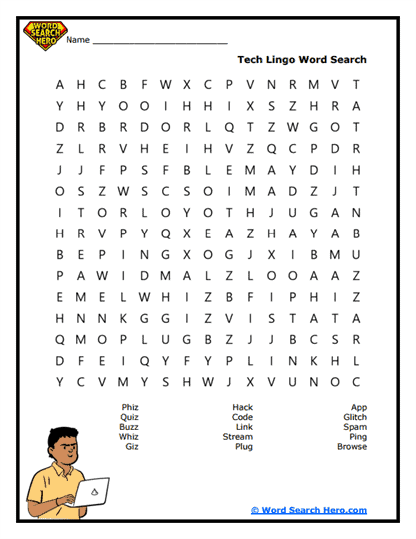
About Our Ends With Letter Z Word Searches
Our Ends With Letter Z word search collection delivers one of the most distinctive twists in this entire series. Every hidden word ends in “Z,” a rare and visually striking letter that instantly changes how students approach the puzzle. Instead of blending into the grid, the ending stands out-and that makes it a powerful learning tool.
Because “Z” is so uncommon at the end of words, students can’t rely on привычный guessing habits. They naturally slow down, scan more carefully, and confirm each word all the way through. That makes these puzzles especially effective for reinforcing skills tied to phonics and word patterns, where recognizing structure matters more than speed.
The themes in this collection-science, music, food, slang, and puzzles-keep things highly engaging while reinforcing a consistent habit: check the ending, not just the beginning.
Why “Z” Changes How Students Approach a Puzzle
The moment students realize every word ends in “Z,” the puzzle stops being random-and starts becoming strategic.
“Z” is bold. It’s easy to spot. And because it’s rare, it becomes an anchor point students can trust. Instead of scanning endlessly, they begin by finding “Z” and working backward to confirm words.
That shift builds stronger habits:
- more intentional searching
- better visual tracking
- less guessing
It also changes how students think about words themselves.
With more common endings, students often assume they’ve found a word too early. But “Z” interrupts that pattern. It forces them to double-check, which strengthens full-word recognition and ties directly into skills used in reading comprehension and accurate decoding.
Paul’s Pro-Tip

Use the “zigzag lock-in.”
Tell students every “Z” is the lock at the end of a word-and they need the full key (the whole word) to open it.
So instead of circling quickly, they:
- Find the Z
- Trace backward
- Confirm the full match
If it doesn’t fully connect, the lock stays closed.
It turns accuracy into a challenge-and students start self-correcting without being told.
Simple Follow-Ups That Build Stronger Reading Habits
These puzzles become much more powerful with just a few quick follow-ups.
Start with a “finish check.” Ask students to choose two words and prove they read every letter by pointing as they say it. This reinforces reading fluency and full-word tracking.
Next, try a contrast activity:
- Show a word missing the “Z”
- Ask: is this complete?
This helps break the habit of stopping early and supports stronger decoding skills.
You can also sort the words:
- Which ones are everyday words?
- Which ones feel more specialized (like science or music terms)?
This builds awareness of how vocabulary changes across contexts.
For writing, have students use one word in a sentence or explain it in their own words. This connects directly to vocabulary development and helps ensure understanding-not just recognition.
These steps are quick, but they turn the puzzle into a meaningful reading exercise.
Frequently Asked Questions
Why use such a rare ending like “Z”?
Because it forces attention. Students can’t rely on привычный patterns, so they slow down and read more carefully-which leads to stronger accuracy and better retention.
Are these puzzles too difficult for most students?
They can feel challenging at first, but the visible pattern actually helps. Once students learn to use “Z” as a clue, the puzzle becomes more manageable-and more rewarding.
What skill improves the most with this type of puzzle?
Full-word recognition. Students learn to confirm the entire word before deciding, which is critical for both reading and spelling.
How can I tell if students are benefiting from this?
Watch their behavior. If they start checking endings consistently and correcting themselves before circling, they’re building stronger reading habits.
What’s the easiest way to extend the learning?
Have students explain or use one word after finishing. That small step turns passive recognition into active understanding-and helps the word stick.