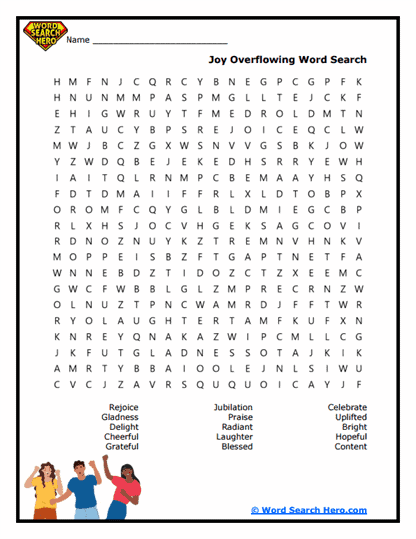
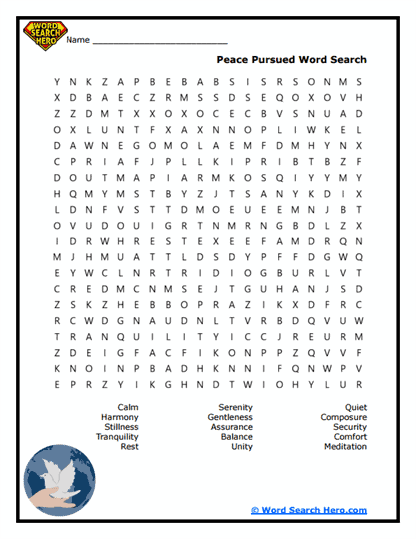
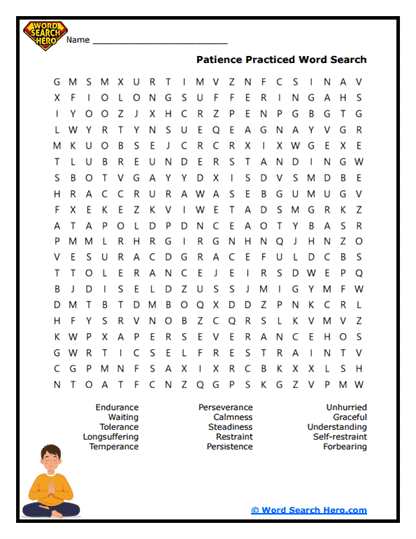
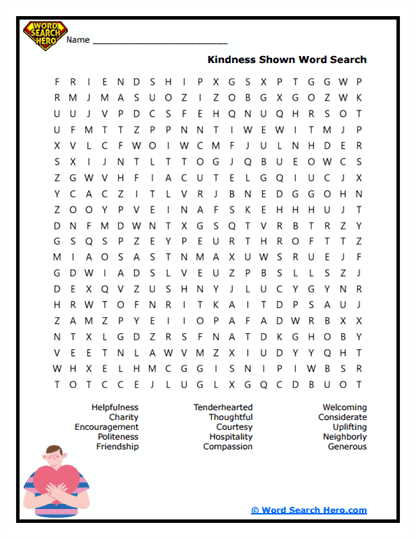
About Our Fruit of the Spirit Word Searches
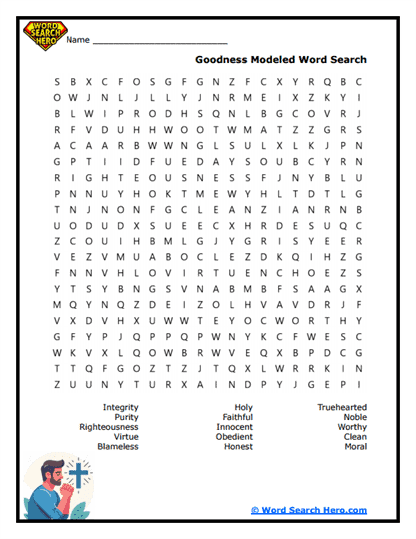
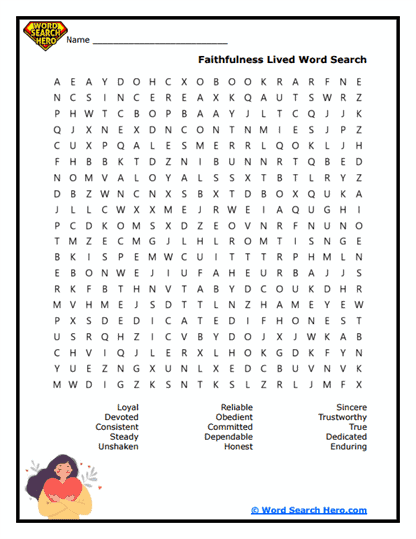
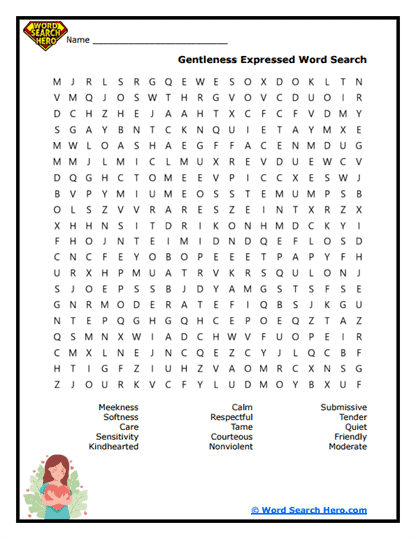
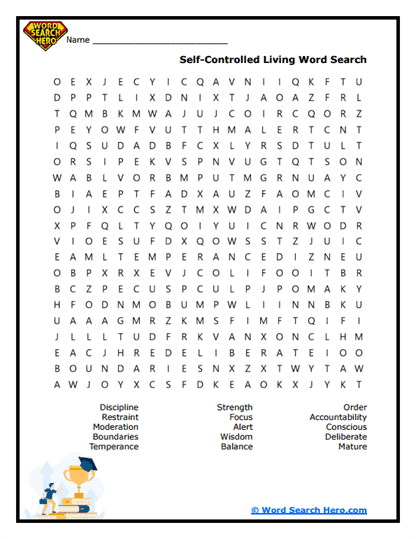
Fruit of the Spirit word searches provide a meaningful and engaging way to explore important qualities while focusing on the person and position connected to them. These printable puzzles introduce learners to key traits such as love, joy, peace, patience, kindness, goodness, faithfulness, gentleness, and self-control. By emphasizing both the qualities and the role of the individual, students gain a clearer understanding of how these traits are lived out.
As students search for words, they begin to connect each fruit with responsibility. The believer takes on the position of someone who practices and demonstrates these qualities in daily life. This helps learners move beyond simply recognizing the words and toward understanding how each one reflects a role in action-how a person behaves, responds, and interacts with others.
These puzzles also support essential academic skills like vocabulary development, spelling, and concentration. They can be used in classrooms, Sunday school, or homeschool settings as warm-ups, review tools, or discussion starters.
With a range of difficulty levels, Fruit of the Spirit word searches are accessible for many learners. They provide a thoughtful way to explore these qualities while focusing on the person and position that bring them to life.
Living the Role: Qualities in Action
The Fruit of the Spirit becomes much clearer when students focus on the role of the person practicing them. Word searches centered on this topic often include all nine qualities, each representing a responsibility tied to behavior and attitude.
The believer’s role is central here. Unlike other topics that focus on titles like leader or teacher, this position is about how a person acts. Love shows care for others, patience reflects how someone responds in difficult moments, and self-control demonstrates discipline. Each quality connects directly to how a person carries out their role.
Encouraging students to think about these traits helps deepen understanding. They can ask questions like, “What does this quality look like in action?” and “How would someone in this role show it?” This kind of thinking builds stronger comprehension and reflection.
By focusing on roles and responsibilities, students begin to see the Fruit of the Spirit not just as words, but as actions tied to a person’s position and daily life.
Paul’s Pro-Tip

One of the most effective ways to use a Fruit of the Spirit word search is to turn it into a “trait-to-role scenario builder.” As students find words like “patience” or “kindness,” have them create a quick real-life situation where someone in the role of a believer would need to use that trait. For example, when would patience be needed? When would self-control matter most? This helps students connect each word to a real responsibility instead of just memorizing a list.
Another strategy that works incredibly well is the “role consistency challenge.” After completing the puzzle, ask students to pick three traits and explain how a person could show all three at the same time in one situation. This builds deeper thinking and helps students understand that these qualities are meant to work together, not separately. It also reinforces that the role of the believer is ongoing and consistent, not just something used occasionally.
From Traits to Responsibility
Fruit of the Spirit word searches can lead to deeper learning when students focus on how each quality connects to a role. After completing a puzzle, students can choose one trait and describe what responsibility comes with it. This helps connect vocabulary to understanding.
For example, a student might explore what it means to show kindness in everyday interactions or how self-control affects decisions. Another might examine how peace or gentleness influences relationships with others. These reflections help students understand how each trait shapes behavior.
This approach also supports cross-curricular learning. It can connect with reading by exploring examples of these traits or with writing by asking students to describe how they would demonstrate one. Group discussions can deepen understanding by comparing different traits.
By focusing on the person and position, students gain a clearer picture of the Fruit of the Spirit. It transforms a simple puzzle into a meaningful exploration of behavior, responsibility, and character.
Frequently Asked Questions
What is the role of a person in Fruit of the Spirit word searches?
The person is typically in the role of a believer who practices these qualities in daily life. This position involves showing traits like love, patience, and self-control through actions. Understanding this role helps students connect the words to real behavior. It also makes the learning more practical and meaningful.
How do these word searches help students understand the Fruit of the Spirit?
They introduce each trait in a simple and engaging way while encouraging students to think about what it means. As learners find the words, they begin to connect them with actions and responsibilities. This builds a deeper understanding beyond memorization. It also reinforces learning through repetition and context.
Why is it important to focus on the role connected to these traits?
Focusing on the role helps students see that these qualities are meant to be lived out, not just learned. It connects each trait to responsibility and behavior. This creates a clearer understanding of how they are applied. It also encourages reflection on daily actions.
How can I make Fruit of the Spirit word searches more interactive?
You can have students create real-life examples for each trait they find. Another effective activity is asking them to explain how multiple traits can be used together in one situation. These strategies deepen understanding and encourage discussion. They also help students apply what they’ve learned.
What can students learn by focusing on roles in the Fruit of the Spirit?
Students can learn how character, responsibility, and behavior are connected. By examining each trait, they see how actions reflect a person’s role. This creates a clearer understanding of the teaching. It also encourages reflection on how to act in different situations.