About Our Fruit Word Searches
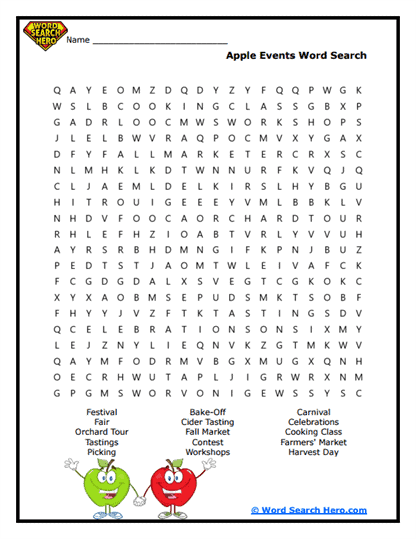
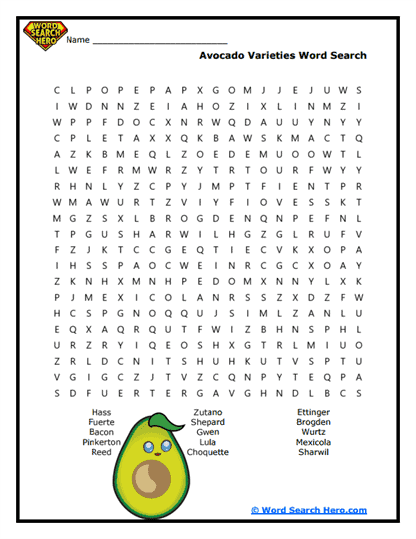
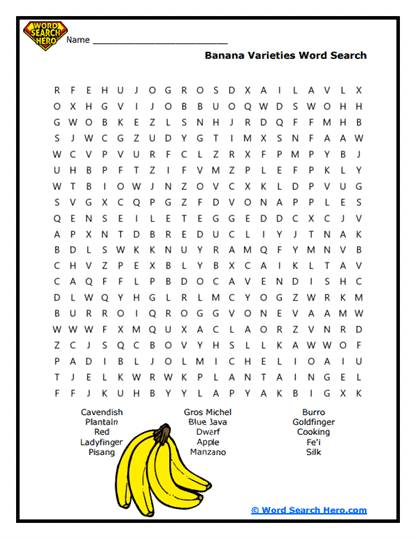
Fruit is colorful, familiar, and naturally fun-which makes it one of the best themes for word search puzzles. Our Fruit Word Searches collection is filled with a wide variety of fruits, from everyday favorites like apples and bananas to more unique options like kiwi, mango, and pineapple. The bright, recognizable vocabulary helps learners feel confident while still introducing new words.
Because fruit is something kids encounter regularly, this theme is especially engaging for younger learners. They can quickly spot words they already know, which builds momentum and keeps frustration low. At the same time, older students can expand their vocabulary by exploring less common fruits and learning how they fit into different categories.
These printables are perfect for classrooms, homeschool use, and at-home activities. They work well as morning work, literacy centers, or simple brain breaks. The fruit theme also pairs naturally with lessons about healthy eating, plants, and nature, making it both fun and educational.
A Fresh Approach to Learning
Fruit word searches help build essential literacy skills while keeping the activity light and enjoyable. As learners scan for words, they practice spelling, pattern recognition, and visual tracking. The familiar nature of fruit names makes it easier for students to stay engaged and successful.
This theme also connects easily to other subjects. In science, students can learn about how fruits grow, the parts of plants, and seed dispersal. In health lessons, they can talk about the benefits of eating fruits and how they contribute to a balanced diet. Even simple sorting activities-like grouping fruits by color or type-can deepen understanding.
In group settings, fruit puzzles often lead to lively discussions. Learners may share their favorite fruits, compare flavors, or talk about fruits they have tried (or want to try). These conversations help build communication skills while making the activity more interactive.
Paul’s Pro-Tip

Turn your fruit word search into a “fruit basket challenge.” After completing the puzzle, have learners group the fruits they found by color, size, or taste-like sweet, sour, or tropical.
If someone gets stuck, suggest starting with longer or more unique fruit names like “pineapple” or “strawberry.” These are often easier to spot and can help unlock the rest of the puzzle.
Sweet and Simple Conversations
Fruit-themed puzzles are perfect for sparking easy, low-pressure conversations. Because most learners already have experience with fruit, they feel comfortable sharing opinions and ideas. You can ask questions like: What’s your favorite fruit? Which ones are sweet or sour? Which fruits grow near where you live?
These discussions help build descriptive vocabulary using words like juicy, tangy, crisp, or ripe. They also encourage learners to think about food in a more detailed way, connecting taste, texture, and experience.
At home, these puzzles can extend into real-life activities. Families might create a fruit salad, try a new fruit from the store, or talk about seasonal produce. These small connections make the learning experience more meaningful and memorable.
Frequently Asked Questions
What types of fruits are included in fruit word search puzzles?
Fruit word searches typically include a mix of common fruits like apple, banana, orange, and grape, along with more unique options like kiwi, mango, pineapple, papaya, and blueberry. Some puzzles may also include categories like citrus, berries, or tropical fruits to add variety and challenge.
Are fruit word searches good for younger learners?
Yes, they are one of the best themes for young learners. The vocabulary is familiar and easy to recognize, which helps build confidence. Many children already know basic fruit names, making it easier for them to engage with the puzzle and feel successful.
How do fruit word searches support learning about healthy eating?
These puzzles introduce and reinforce the names of fruits in a fun and positive way. After completing the puzzle, learners can talk about which fruits are healthy, how they are eaten, and why they are important in a balanced diet. This helps build awareness without feeling like a formal lesson.
How are fruit word searches different from general food puzzles?
Fruit word searches focus specifically on one category of food, allowing for deeper exploration of related vocabulary. Instead of mixing many types of foods, they highlight fruits and their varieties, making the theme more focused and easier to connect to topics like health and nature.
Can fruit word searches be used in science lessons?
Absolutely. They fit perfectly into lessons about plants, seeds, and how food grows. Teachers can use the puzzle as a starting point to discuss how fruits develop, where they grow, and how they are harvested.
Why do kids enjoy fruit-themed word searches?
Kids enjoy them because the words are colorful, familiar, and often tied to foods they like. Recognizing favorite fruits gives them a sense of success, which keeps them motivated to continue.
Can I turn a fruit word search into a hands-on activity?
Yes. After completing the puzzle, learners can sort fruits, create a fruit salad, draw their favorite fruits, or even try a new one. These simple extensions make the activity more interactive and memorable.
How can fruit word searches build vocabulary skills?
They expose learners to both familiar and new fruit names in a meaningful context. Because the words are tied to real-life experiences, learners are more likely to remember them and use them in conversation.