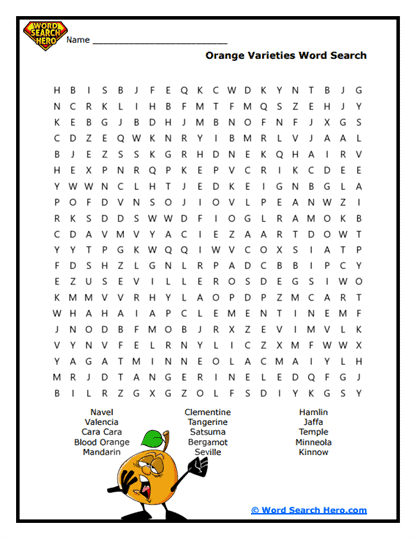
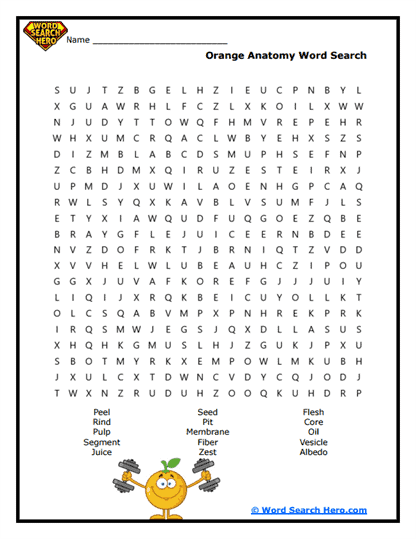
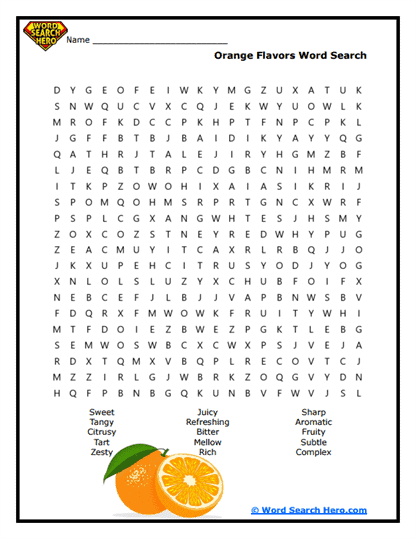
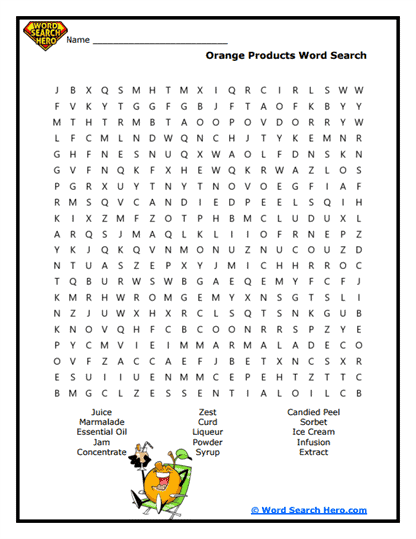
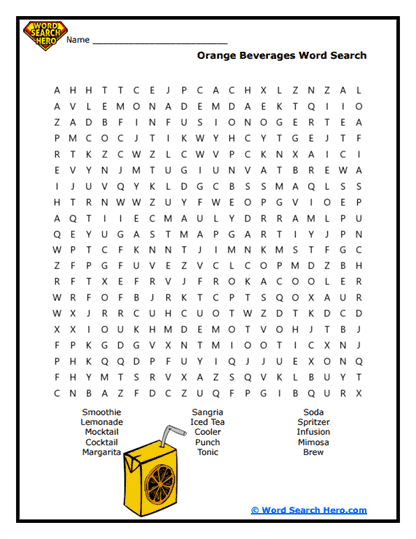
About Our Orange Word Searches
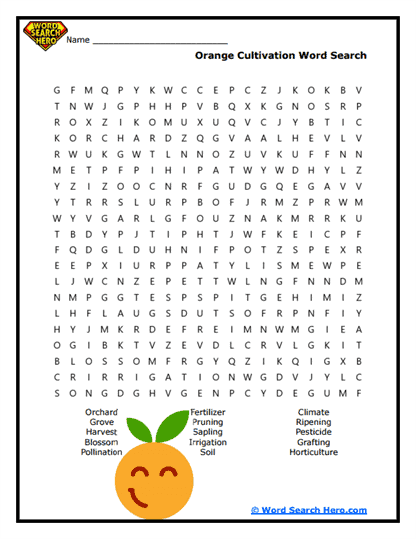
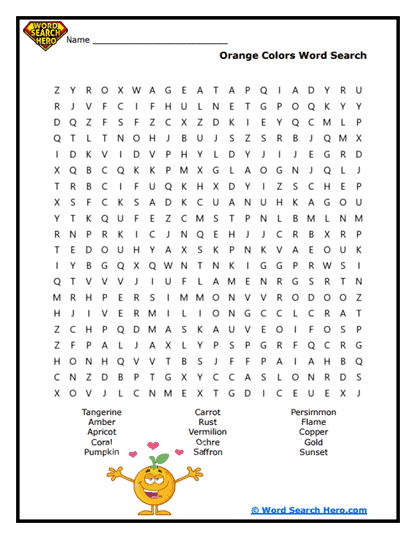
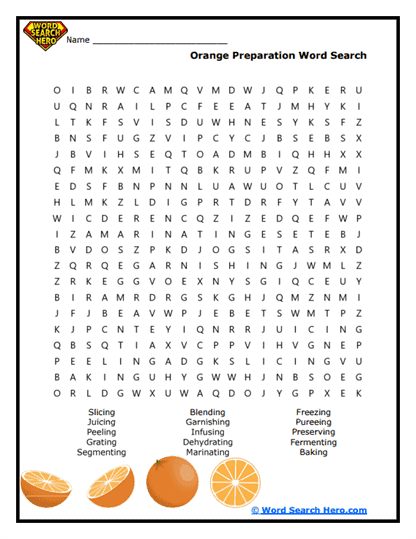
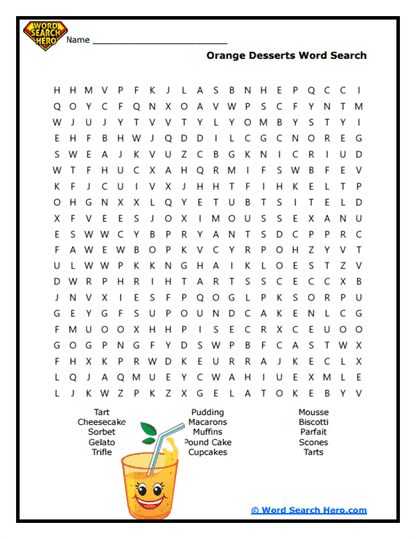
Oranges are bright, juicy, and full of flavor-making them a fantastic theme for engaging word search puzzles. Our Orange Word Searches collection focuses on everything related to this popular citrus fruit, from the fruit itself to juice, slices, zest, and even varieties like navel and mandarin. The vocabulary feels fresh, colorful, and easy to recognize, which helps learners stay motivated and confident.
Because oranges are such a common fruit, this theme works especially well for younger learners. Simple words like “orange,” “peel,” and “juice” are easy to spot, while older students can explore more detailed terms like “citrus,” “segment,” or “zest.” This balance makes the puzzles adaptable for a wide range of ages and skill levels.
These printables are perfect for classrooms, homeschool activities, or at-home learning. They fit nicely into lessons about fruits, healthy eating, or even seasonal themes like winter citrus. Whether used as a warm-up or a relaxing brain break, orange word searches bring a bright and cheerful energy to learning.
A Zest for Learning
Orange word searches help learners build key literacy skills while connecting to real-life experiences. As they search for words, they practice spelling, pattern recognition, and visual scanning. The familiar nature of the theme helps learners stay engaged and experience success.
This topic also connects naturally to other subjects. In science, students can explore how citrus fruits grow and what makes them unique. In health lessons, oranges can lead to discussions about vitamins-especially vitamin C-and the benefits of eating fruit. Even simple categorization, like grouping citrus fruits together, can deepen understanding.
In group settings, orange puzzles often lead to lively conversations. Learners might talk about how they like to eat oranges, whether they prefer juice or slices, or what other citrus fruits they enjoy. These discussions help build communication skills while keeping the activity fun and interactive.
Paul’s Pro-Tip

Turn your orange word search into a “citrus explorer” activity. After completing the puzzle, have learners list or draw other citrus fruits they know-like lemons, limes, or grapefruits-and compare them.
If someone gets stuck, suggest starting with easy, standout words like “orange,” “juice,” or “peel.” These are often quick wins that help build confidence.
A Bright Way to Spark Conversation
Orange-themed puzzles naturally encourage simple, engaging conversations. Because most learners have experience eating oranges or drinking orange juice, they feel comfortable sharing their thoughts. You can ask questions like: Do you like oranges sweet or a little sour? Do you prefer juice or whole fruit? Have you tried other citrus fruits?
These discussions help build descriptive vocabulary using words like juicy, tangy, sweet, or refreshing. They also encourage learners to connect language to real-life experiences, which strengthens retention and understanding.
At home, these puzzles can easily turn into hands-on activities. Families might taste different citrus fruits, make fresh juice, or talk about where oranges are grown. These small extensions make learning more interactive and memorable.
Frequently Asked Questions
What words are typically included in orange word search puzzles?
Orange word searches usually include a mix of basic terms like orange, peel, slice, and juice, along with more specific vocabulary like citrus, zest, segment, and rind. Some puzzles may also include varieties such as navel, mandarin, or blood orange, as well as related foods like marmalade.
Are orange word searches good for younger children?
Yes, they are especially effective for younger learners. The vocabulary is familiar and easy to recognize, which helps build confidence. Words like “orange” and “juice” are often among the first fruit-related words children learn.
How do orange word searches connect to health and nutrition lessons?
Oranges are commonly associated with vitamin C and healthy eating, so these puzzles can introduce conversations about nutrition. After completing the puzzle, learners can talk about the benefits of eating fruit and how oranges support a healthy diet.
How are orange word searches different from general fruit puzzles?
Orange word searches focus on one specific fruit, allowing for deeper exploration of related vocabulary. Instead of covering many fruits, they highlight citrus-specific terms, varieties, and uses.
Can orange word searches be used in science lessons?
Absolutely. They can support lessons about plant growth, fruit development, and the characteristics of citrus fruits. Teachers can also connect them to topics like seeds, trees, and climate.
Why do kids enjoy orange-themed word searches?
Kids enjoy them because the words are bright, familiar, and tied to foods they already know. The theme feels cheerful and easy to engage with, which helps keep motivation high.
Can I extend an orange word search into a hands-on activity?
Yes. After completing the puzzle, learners can taste oranges or other citrus fruits, make juice, or create a simple recipe. These activities help connect the puzzle to real-life experiences.
How can orange word searches support vocabulary development?
They introduce both simple and more detailed fruit-related terms in a meaningful context. Because learners can connect the words to real-life experiences, they are more likely to remember and use them.