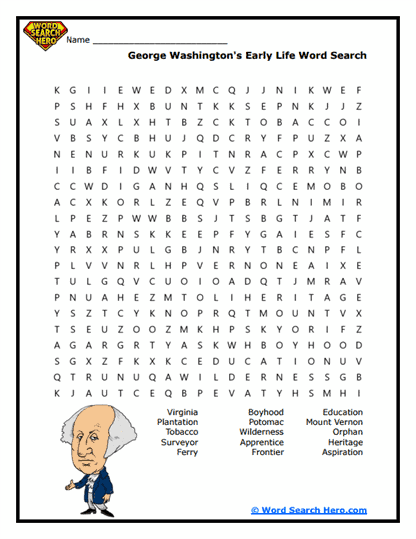
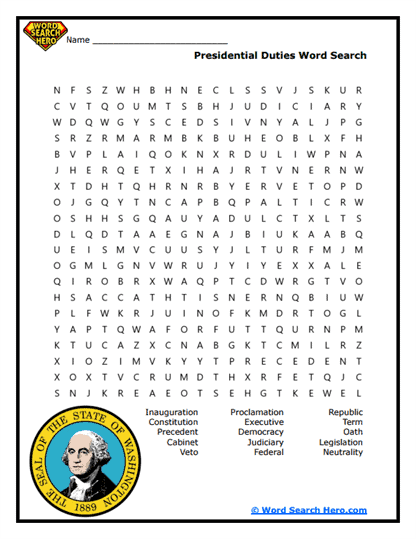
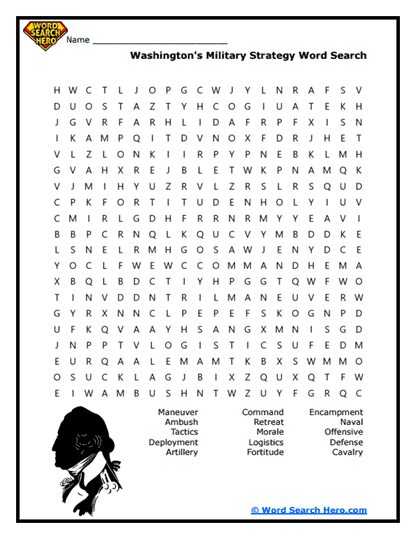
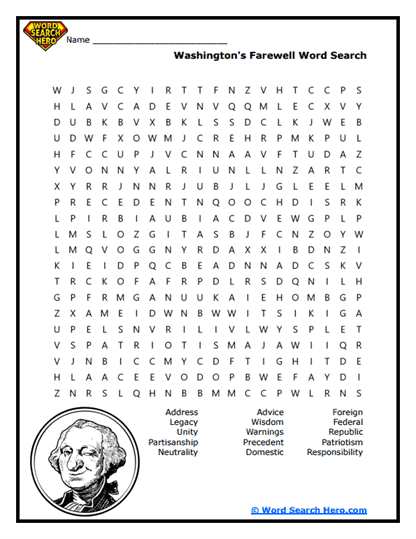
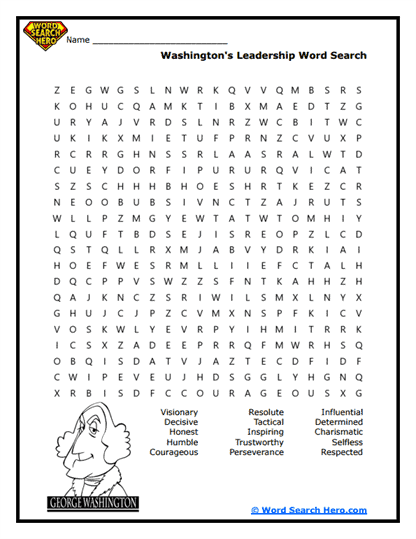
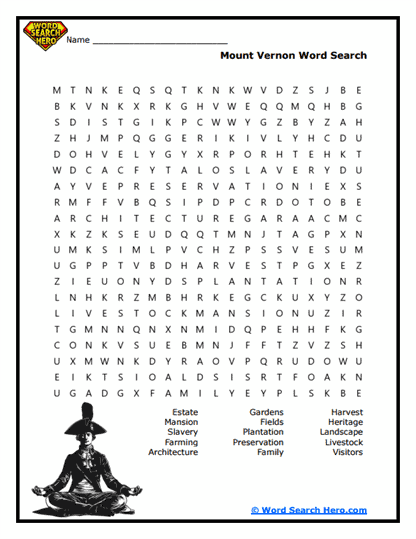
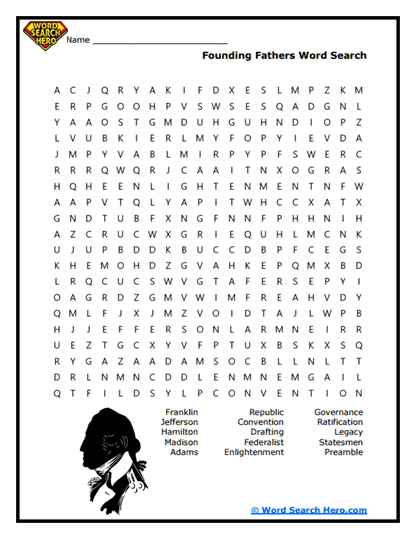
About Our George Washington Word Search Collection
George Washington word searches focus on a key historical figure and the important positions he held as a leader, general, and president. This collection highlights Washington not just as a name, but as a person who took on major responsibilities during the founding of the United States. Each word connects to the roles he played and the actions he carried out.
As students search for words like “general,” “president,” “leader,” “commander,” and “founder,” they begin to understand the different positions George Washington held. He led armies, guided people, and later became the first U.S. president. This makes the vocabulary more meaningful because it reflects real leadership in different situations.
These puzzles are great for classroom use during history or civics lessons. They also work well as independent activities that build focus, spelling, and reading skills. At home, they provide a structured way to explore a well-known figure and the roles he played.
Because George Washington is often introduced early in American history, students usually recognize his name. This familiarity helps them connect more deeply to the vocabulary and better understand his importance as a person in multiple leadership positions.
From General to President: Multiple Roles in Action
George Washington is a strong example of how one person can hold very different positions over time. When students encounter words like “general,” “commander,” and “president,” they’re learning about how his responsibilities changed throughout his life.
One way to extend this activity is by breaking down these roles. As a general, Washington led troops and made strategic decisions during the Revolutionary War. As a commander, he directed military operations and guided his army. As president, he helped shape how the new government would work. These distinctions help students understand how leadership can evolve.
You can also explore the idea of responsibility. Words like “decision,” “leadership,” and “nation” show that Washington’s roles required careful thinking and accountability. This helps students see that leadership involves both action and judgment.
For a creative extension, ask students to imagine they are stepping into one of Washington’s roles. Would they rather lead an army or lead a country? What challenges would they face? This builds both comprehension and critical thinking.
By focusing on George Washington as a person in multiple positions, these word searches help students understand how leadership can take different forms.
Paul’s Pro-Tip

Try the “timeline scan” approach-start by finding words tied to one phase of Washington’s life, like “general” or “army,” and focus your search on those first. Grouping words by role helps your brain stay organized instead of jumping randomly around the puzzle.
Then switch gears and hunt for words tied to his later role, like “president” or “government.” Breaking the puzzle into phases like this makes it feel more manageable and helps you find related words faster.
Understanding Leadership Through One Person
George Washington word searches help students connect vocabulary to a real person who held multiple major positions. Each word represents a role that required leadership, responsibility, and decision-making. This helps students see how one person can impact different areas over time.
These puzzles also strengthen comprehension by linking words to real historical actions. Terms like “commander” and “president” become easier to understand when connected to what Washington actually did. This makes learning more concrete.
Another benefit is understanding how leadership can change depending on the situation. Students begin to see that leading in a military setting is different from leading a country. This adds depth to their understanding of roles.
The activity also builds focus and persistence. Students must carefully search for each word, improving attention to detail and strategy. The familiar historical figure helps keep them engaged.
By connecting vocabulary to a real person and his positions, these word searches create a learning experience that is both educational and meaningful.
Frequently Asked Questions
What roles did George Washington hold during his lifetime?
George Washington served as a general, commander of the Continental Army, and the first President of the United States. Each role required different types of leadership and decision-making. This shows how one person can take on multiple important positions.
How is being a general different from being a president?
As a general, Washington focused on leading troops and making battlefield decisions. As president, he focused on guiding the country and helping shape the government. These roles required different skills and responsibilities.
Why is George Washington often called a “founder”?
He played a major role in helping the United States become an independent nation. His leadership during the Revolutionary War and his role as the first president helped shape the country’s future. That’s why he is considered one of the founding figures.
How do these word searches help kids understand George Washington better?
They connect his name to the roles and actions he carried out, like leading, commanding, and governing. This helps students understand what he actually did instead of just memorizing his name. It makes learning more active and meaningful.
What’s a good way to extend learning after completing the puzzle?
Ask your child to choose one of Washington’s roles and explain what responsibilities come with it. You can also compare his roles and talk about which one seems more challenging and why. This helps connect vocabulary to deeper thinking about leadership.