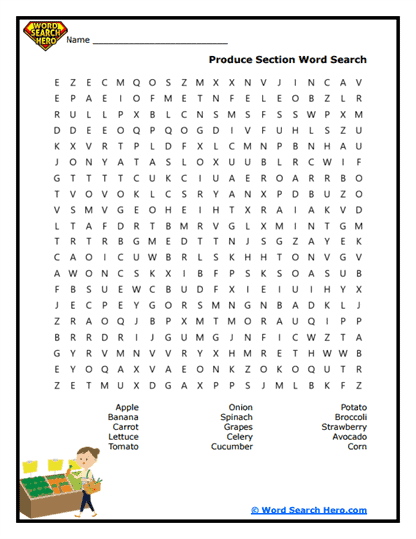
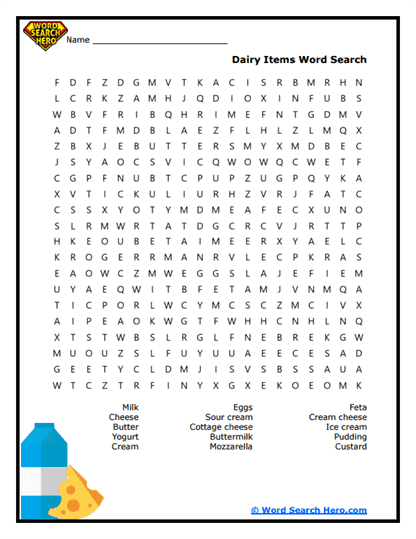
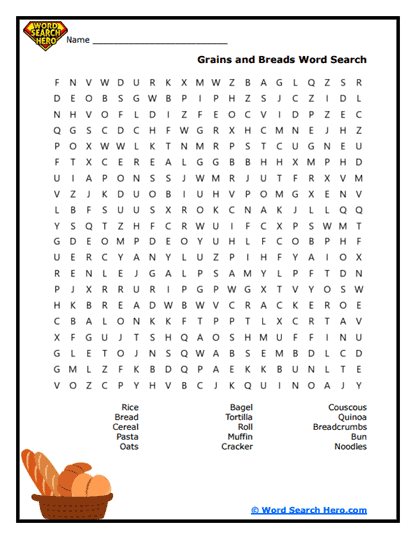
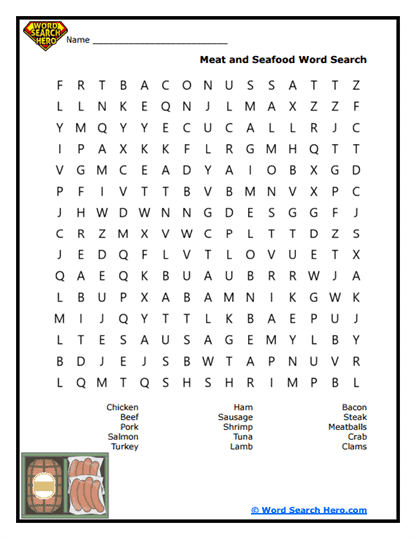
About Our Grocery Shopping Word Searches
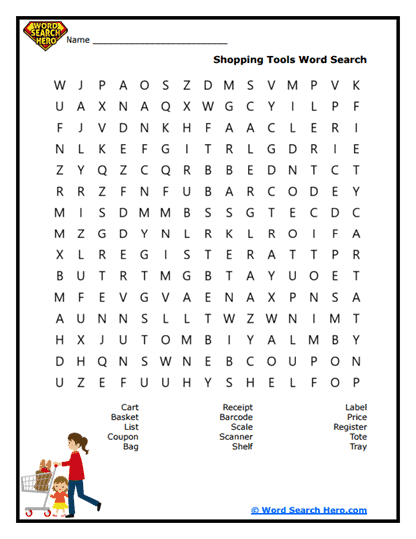
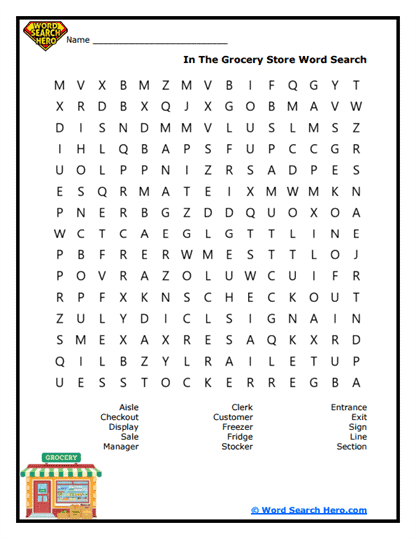
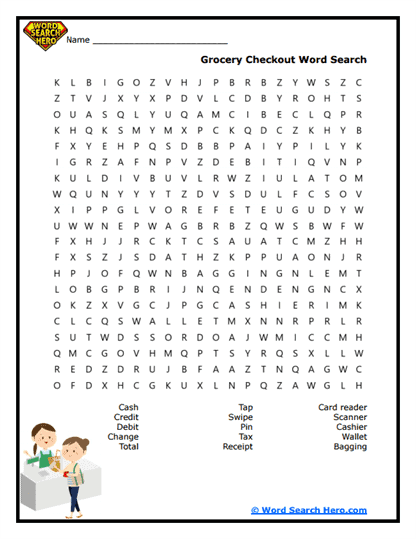
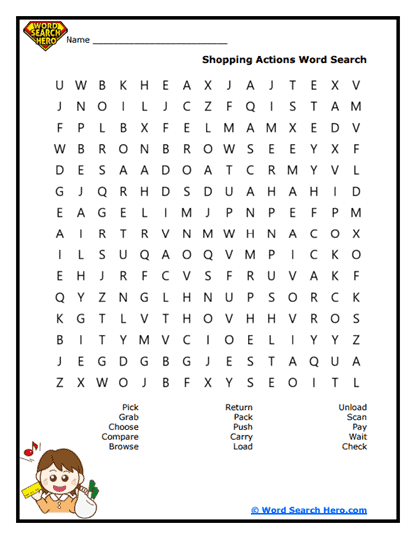
Grocery Shopping word searches introduce students to vocabulary connected with one of the most common everyday errands. These printable puzzles help learners become familiar with words related to food items, shopping tools, store sections, and everyday purchasing activities. Because grocery shopping is a routine experience for many families, the vocabulary in these puzzles is both practical and easy for students to recognize.
Students exploring this theme may encounter words such as cart, basket, aisle, produce, bread, milk, and checkout. These words frequently appear in conversations about food, stores, and daily routines. A word search provides an engaging way to reinforce this vocabulary while strengthening spelling recognition, reading confidence, and observation skills.
Because the activity feels like a puzzle rather than a traditional worksheet, it can make vocabulary practice more enjoyable. Teachers often use these printables during learning centers, quiet work periods, or early finisher activities. Parents and homeschool educators can also include them in lessons as a screen-free activity that helps connect reading practice to real-life situations.
As students search the puzzle grid for hidden words, they strengthen concentration, visual scanning abilities, and pattern recognition. These skills support literacy development while keeping the activity interactive and fun.
Understanding Grocery Shopping
Grocery shopping is the process of purchasing food and household items from a store. Grocery stores are organized into sections that make it easier for shoppers to find what they need.
For example, the produce section usually contains fresh fruits and vegetables, while other aisles contain packaged foods such as cereal, pasta, or canned goods. Refrigerated sections often hold items like milk, yogurt, and cheese.
Shoppers often use a cart or basket to carry items while moving through the store. Many people bring a shopping list to help remember the items they need to buy. At the end of the trip, shoppers go to the checkout area where their items are scanned and purchased.
Learning vocabulary connected to grocery shopping helps students understand how stores are organized and how people purchase everyday food items.
Word searches reinforce this learning by giving students repeated exposure to words related to shopping, food, and everyday errands.
Paul’s Pro-Tip
A highly effective extension activity is a classroom grocery store simulation. After students complete the word search, set up a small pretend grocery store in the classroom using empty food boxes or pictures of grocery items.
Students can take turns acting as shoppers and cashiers. Give each student a short shopping list that includes vocabulary words from the puzzle, and ask them to find the items in the classroom store.
This activity helps reinforce vocabulary while building practical life skills and communication.
Connecting Vocabulary to Real-Life Experiences
Grocery shopping is an important life skill that involves planning, organization, and decision-making. Understanding vocabulary related to shopping helps students follow instructions, recognize common foods, and understand how stores operate.
These words appear frequently in daily conversations, advertisements, recipes, and shopping lists. When students become familiar with them, they are better able to navigate real-world situations involving food and purchasing items.
A word search can serve as a calm classroom activity before discussions about food, nutrition, or budgeting. After completing the puzzle, educators can encourage students to talk about foods they like to buy or help choose when shopping with their families.
When students become familiar with grocery shopping vocabulary, they gain language skills that connect reading and learning to everyday experiences.
Frequently Asked Questions
What are Grocery Shopping word searches?
They are puzzles that feature vocabulary related to food stores, shopping tools, and common grocery items.
Why is grocery shopping vocabulary useful for students?
It helps students understand everyday activities such as buying food, making shopping lists, and navigating stores.
What types of words might appear in these puzzles?
Examples include cart, basket, aisle, produce, milk, bread, and checkout.
Are these puzzles appropriate for younger learners?
Yes. Many of the words are common and easy for students to recognize from everyday experiences.
What classroom activity pairs well with this puzzle?
Students can participate in a pretend grocery store activity where they use a shopping list to find items around the classroom.