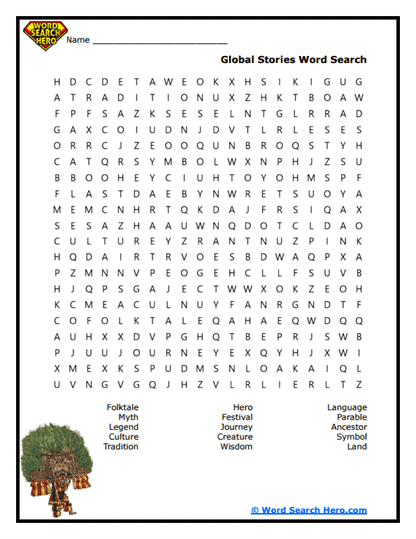
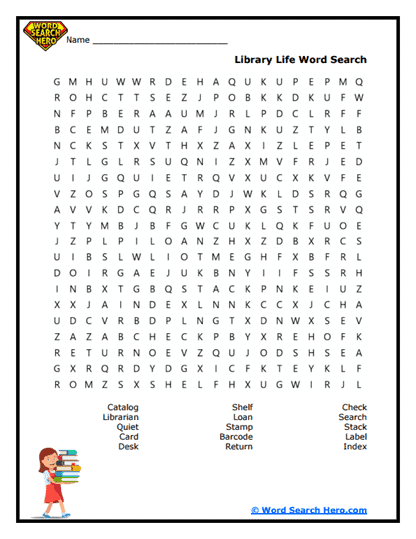
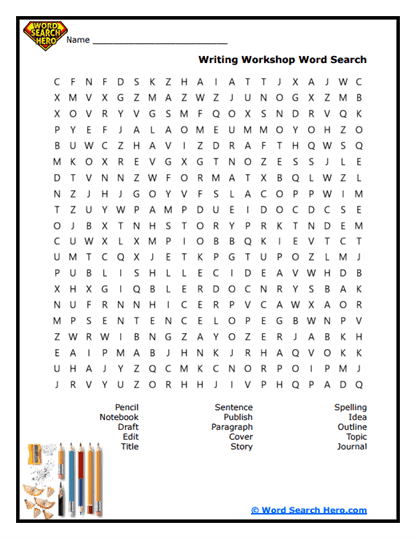
About Our Children’s Book Day Word Searches
Children’s Book Day, also known as International Children’s Book Day, is celebrated every year on April 2nd. This special day honors children’s literature and encourages a love of reading in young learners around the world. Our Children’s Book Day Word Searches collection turns this meaningful April celebration into an engaging activity that helps students connect vocabulary with books, stories, and imagination.
April 2nd was chosen to coincide with the birthday of Hans Christian Andersen, a famous author of classic children’s stories. This makes Children’s Book Day not just a celebration of reading, but also of storytelling and creativity.
Word searches introduce terms like “book,” “story,” “author,” “reading,” “library,” and “illustration,” helping students understand the importance of books in learning and entertainment. Teachers often use these puzzles in early April to support reading activities, while parents and homeschoolers can use them to encourage more time with books.
Because Children’s Book Day falls during the spring season, it pairs perfectly with other literacy and classroom activities happening in April.
Celebrating Reading and Storytelling on April 2nd
Children’s Book Day is all about inspiring a love of reading and recognizing the impact of stories. Word searches built around this April 2nd celebration help students explore the world of books in a fun and interactive way.
Puzzles might include words like “fairy tale,” “character,” “plot,” “adventure,” and “imagination,” which reflect the elements of storytelling. These words can lead to discussions about favorite books and characters.
You might also include terms like “author,” “illustrator,” “library,” and “reading,” which highlight the people and places involved in bringing stories to life. These words help students understand that Children’s Book Day is about both enjoying books and appreciating how they are created.
By connecting vocabulary to reading experiences, Children’s Book Day word searches help learners engage more deeply with books.
Paul’s Pro-Tip

This one’s super easy to make personal. I’d say, “What’s your favorite book-or a story you really liked?”
Once they share, you can tie it right back to the puzzle. It turns the activity into something they actually care about.
Making Reading a Celebration
Children’s Book Day Word Searches help turn April 2nd into more than just a single-day event. Instead of simply recognizing the day, students actively engage with the joy of reading.
As students find words like “story” and “imagination,” they begin to see reading as something fun and creative rather than just a school task. This helps build positive reading habits.
Because April often includes literacy-focused activities in schools, these puzzles fit naturally into reading lessons, library time, and book-themed events.
Using Children’s Book Day-themed word searches creates a fun and meaningful way to celebrate reading and storytelling during April.
Frequently Asked Questions
What is Children’s Book Day and why is it celebrated on April 2nd?
Children’s Book Day is celebrated on April 2nd to promote children’s literature and encourage reading. The date honors the birthday of Hans Christian Andersen, a famous author of classic children’s stories.
How can I use word searches to celebrate Children’s Book Day in April?
You can include book-related vocabulary in the puzzle and pair it with reading activities or story discussions. This helps students connect the celebration to actual reading experiences.
What vocabulary should be included in Children’s Book Day word searches?
High-value words include book, story, author, illustrator, character, plot, reading, library, and imagination. These terms reflect both the enjoyment and structure of children’s literature.
What are meaningful activities to pair with Children’s Book Day celebrations?
Activities like reading favorite books, visiting the library, storytelling sessions, and book-themed crafts are all great ways to celebrate April 2nd. These activities reinforce the purpose of the day.
How can I encourage a love of reading during Children’s Book Day and beyond?
Make reading interactive and enjoyable by letting students choose books, discuss stories, and connect them to their own experiences. Celebrating Children’s Book Day in April can help build long-term reading habits.