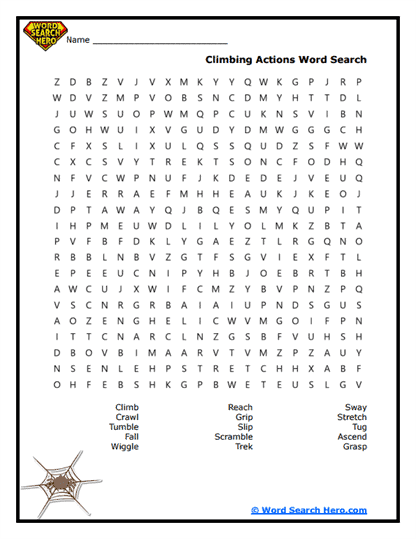
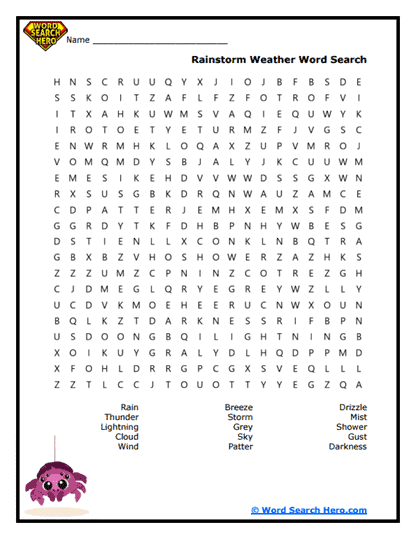
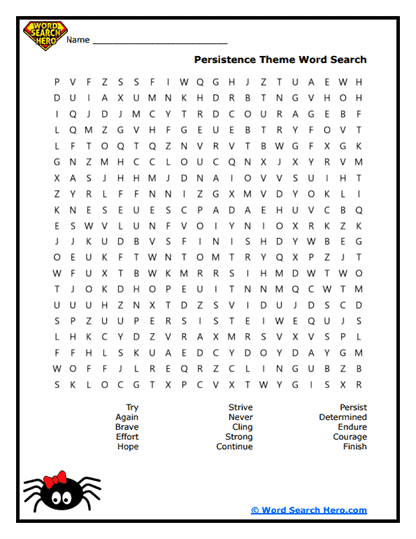
About Our Itsy Bitsy Spider Word Searches
Our Itsy Bitsy Spider Word Searches collection turns one of the most beloved nursery rhymes into a fun, printable puzzle activity that helps young learners strengthen early literacy skills. Inspired by the classic rhyme about the determined little spider climbing up the waterspout, these puzzles introduce children to familiar words while encouraging focus and problem-solving.
Nursery rhymes are often one of the first types of literature children encounter. Their rhythmic patterns and simple storytelling make them easy to remember and enjoyable to repeat. By transforming Itsy Bitsy Spider into a word search activity, students get to interact with the vocabulary from the rhyme in a hands-on way.
Teachers, parents, and homeschool educators frequently use word searches because they combine play with meaningful learning. As students search for hidden words related to the rhyme-such as spider, rain, sun, spout, climb, and water-they strengthen spelling recognition, expand vocabulary, and improve reading confidence.
These puzzles can be used in many learning environments. Teachers often include them as literacy center activities, bell ringers, or quiet work during nursery rhyme units. Homeschool families may incorporate them into early reading lessons or poetry studies. At home, they provide a great screen-free activity for quiet learning time.
Word searches also help develop important visual scanning skills. Students carefully look across rows, columns, and diagonals to locate hidden words, strengthening the focus and attention needed for reading.
Because the story of the determined little spider is familiar and encouraging, students tend to stay engaged while solving the puzzle. The activity turns a classic rhyme into an interactive learning experience that feels more like a game than a lesson.
The Determined Little Spider
One reason Itsy Bitsy Spider has remained popular for generations is its simple but meaningful story. The rhyme tells about a tiny spider who climbs up a waterspout, only to be washed down by rain. But when the sun comes out and dries up the rain, the spider tries again.
This short story carries a powerful message about persistence. Even though the spider faces a setback, it doesn’t give up. Instead, it climbs the spout again and keeps going.
When students complete an Itsy Bitsy Spider word search, they encounter vocabulary connected to the events of the rhyme. Words such as spider, rain, sun, water, climb, and spout remind students of the key moments in the story.
Teachers often use this rhyme to talk about perseverance. Students can discuss how the spider continues trying even after being washed down. This simple idea can lead to conversations about trying again when something feels difficult.
Another fun extension is asking students to draw the spider climbing the waterspout or illustrate the moment when the sun comes out after the rain. Younger learners especially enjoy visualizing the story as they work through the puzzle.
By connecting puzzle vocabulary with the story’s message, students strengthen both reading skills and story understanding.
Paul’s Pro-Tip
After 30 years in the classroom, I can tell you that kids love a story where the hero keeps trying.
When students finish an Itsy Bitsy Spider puzzle, I like to ask them one question: “What do you think the spider was thinking when the rain washed it down?”
The answers are fantastic.
Then I challenge them to use one puzzle word while explaining their idea. Suddenly we’ve got vocabulary practice, imagination, and storytelling all happening at once.
And if someone does the hand motions from the rhyme while answering? Even better. Instant classroom entertainment.
Why Nursery Rhyme Puzzles Help Early Readers
Nursery rhyme activities are extremely valuable for early readers because they combine rhythm, repetition, and memorable storytelling. Itsy Bitsy Spider is especially effective because the rhyme follows a clear sequence of events that young learners can easily understand.
When students search for words connected to the rhyme, they repeatedly encounter vocabulary tied to the story. Words like spider, rain, sun, and spout become easier to recognize through repetition.
Word searches also support visual pattern recognition. Students scan rows and columns of letters while searching for words hidden in different directions. This practice strengthens the same visual tracking skills used when reading sentences and paragraphs.
Another benefit is the sense of accomplishment students feel when they discover each hidden word. Every small success builds confidence and encourages learners to keep going.
Because the rhyme itself is playful and familiar, students approach the activity with excitement rather than hesitation. The puzzle allows them to revisit a well-known story while quietly reinforcing literacy skills.
For teachers and parents, activities like this provide a simple way to combine storytelling, vocabulary practice, and puzzle-solving into one enjoyable learning experience.
Frequently Asked Questions
What words appear in Itsy Bitsy Spider word searches?
Common words include spider, rain, sun, spout, water, climb, and other vocabulary connected to the nursery rhyme.
Are these puzzles good for younger students?
Yes. They are especially helpful for preschool and early elementary learners who are beginning to recognize simple vocabulary.
Can teachers use these puzzles during nursery rhyme lessons?
Absolutely. They work well as literacy center activities, review exercises, or quiet independent work during rhyme and poetry units.
Do the puzzles focus on the events from the rhyme?
Yes. Many puzzles include words related to the key moments of the story, such as the rain washing the spider down and the sun drying up the rain.
How can parents use Itsy Bitsy Spider word searches at home?
Parents can recite the rhyme together with their children and then use the puzzle as a fun follow-up activity to find the words from the story.