About Our Kings Word Searches
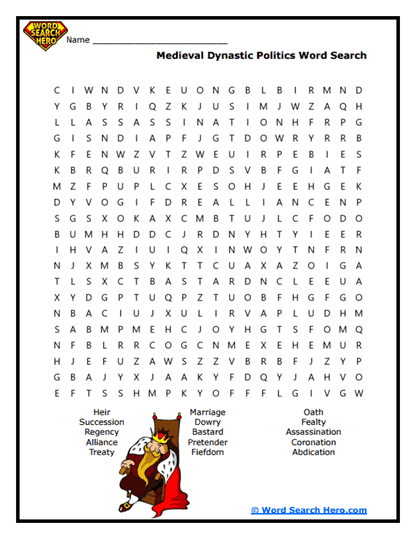
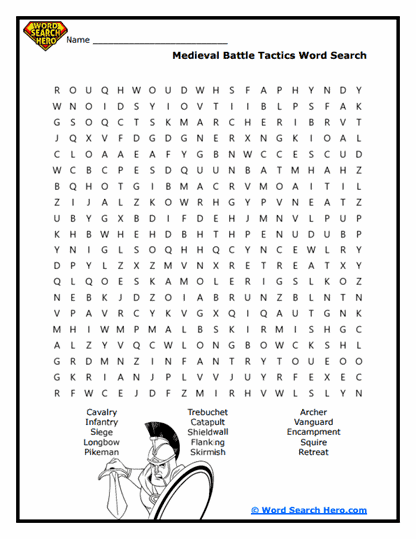
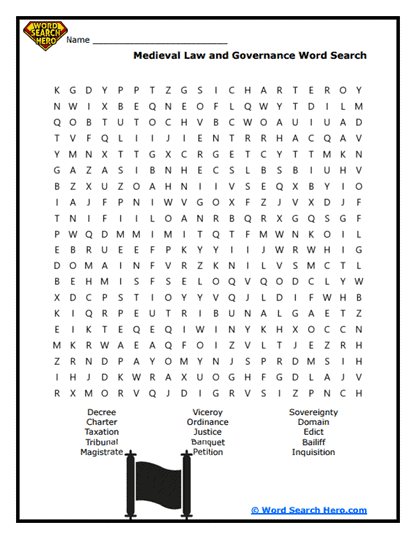
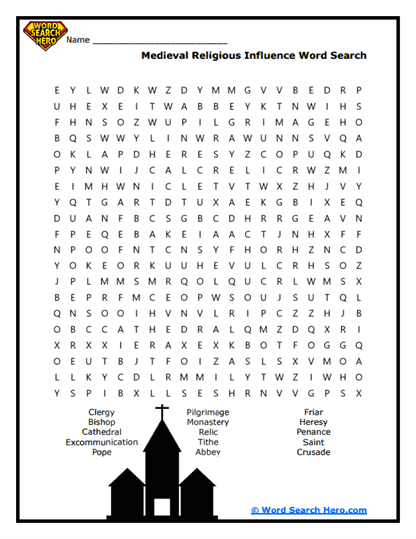
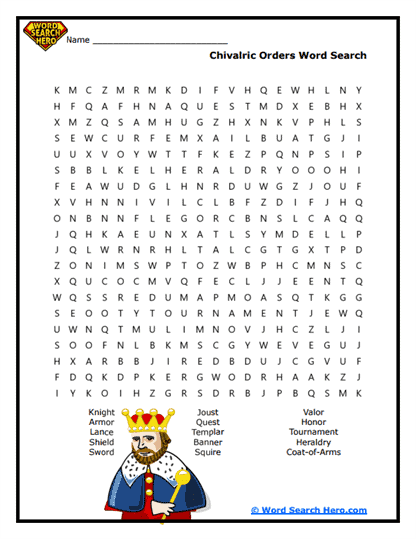
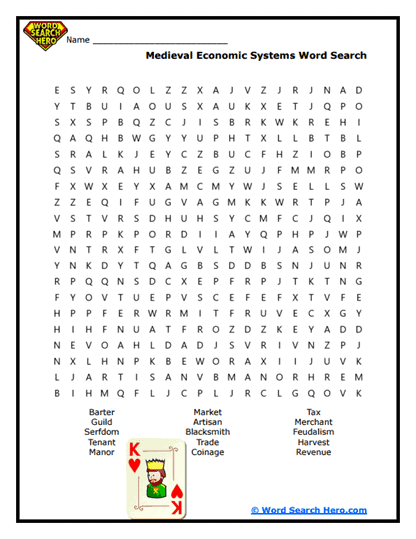
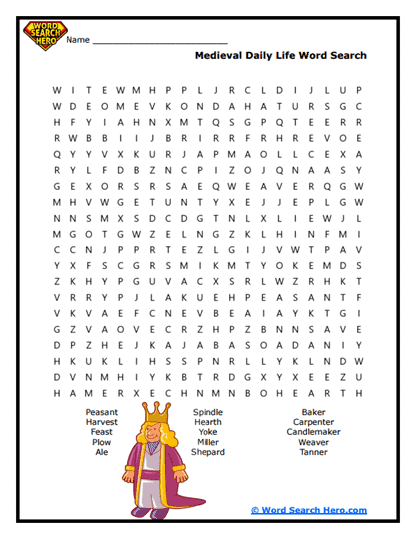
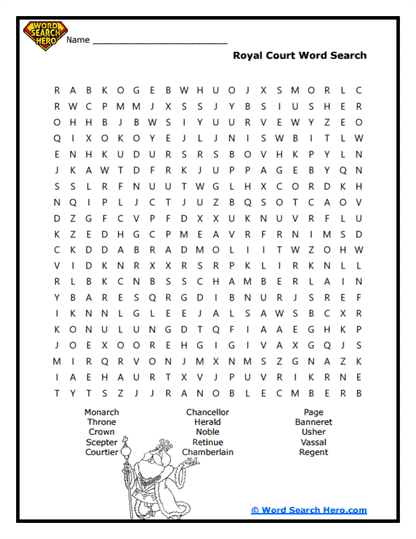
Our Kings Word Searches introduce students to the powerful rulers who shaped kingdoms during medieval times while strengthening vocabulary and reading skills through engaging printable puzzles. Kings played a central role in medieval society, ruling over lands, commanding armies, and guiding the laws and traditions of their kingdoms. By exploring this theme through word searches, students can interact with important historical vocabulary in a fun and approachable way.
Word searches support literacy development by encouraging students to actively scan for hidden words within a grid of letters. As learners search for each term, they practice recognizing spelling patterns, identifying letter combinations, and strengthening visual tracking skills. These abilities help build reading confidence and improve word recognition, which supports broader language learning.
Teachers often use themed puzzles like these as classroom warm-ups, literacy center activities, or enrichment tasks for students who finish assignments early. Because word searches allow students to work independently while still engaging with historical vocabulary, they help maintain a productive learning environment.
Parents and homeschool educators also find these puzzles helpful because they require very little preparation. A single printed page can introduce important medieval vocabulary before a lesson or reinforce key ideas afterward.
The theme of kings naturally encourages curiosity about medieval leadership and daily life in royal courts. Words connected to crowns, castles, thrones, and royal duties help students picture how medieval kingdoms were governed.
By combining historical themes with interactive puzzles, these activities transform vocabulary practice into a meaningful exploration of medieval leadership and royal life.
The Role of Kings in Medieval Kingdoms
During medieval times, kings were the central figures of political power. They ruled kingdoms, controlled land, and often made important decisions about laws, trade, and defense. A king’s authority was supported by nobles, knights, and advisors who helped govern the kingdom and maintain order.
Many kings lived in large castles that served as both royal homes and military fortresses. Castles protected rulers from attack and symbolized the strength and authority of the kingdom. Inside the castle walls, royal courts were busy places where decisions were made, guests were welcomed, and ceremonies were held.
Kings also played an important role in maintaining alliances with other kingdoms. Marriage agreements, treaties, and diplomatic relationships helped rulers strengthen their power and maintain stability across regions.
Introducing vocabulary connected to medieval kings through puzzles helps students build familiarity with historical terms such as crown, throne, kingdom, and royal court. These words help learners visualize how leadership and governance worked during the Middle Ages.
Teachers can expand the activity by asking students to imagine what responsibilities a king might have in a medieval kingdom. Would the king lead armies, settle disputes, or organize large celebrations? These questions encourage learners to connect vocabulary with historical roles and responsibilities.
Exploring the idea of kingship helps students understand how leadership shaped medieval society and influenced the structure of kingdoms throughout Europe.
Paul’s Pro-Tip

After students complete the puzzle, turn the vocabulary into a quick leadership challenge. Ask them to pick three words they found and explain how those words might relate to the duties of a medieval king.
Another great extension is a “royal decision” activity. Choose one puzzle word and ask students how a king might use or respond to it while ruling a kingdom. This encourages kids to think about leadership, responsibility, and how historical vocabulary connects to real situations.
Small follow-up questions like these help students move from simply finding words to thinking about how those words fit into medieval life.
Why Royal Themes Help Students Understand Medieval Society
Royal themes are especially effective for introducing medieval history because kings were at the center of political and social life. When students learn vocabulary related to kingship, they gain insight into how medieval societies were organized and governed.
Word search puzzles help reinforce these historical terms through repetition and active engagement. As students scan the grid for words like crown, kingdom, or throne, they become more familiar with spelling patterns and word structure. This repeated exposure makes the vocabulary easier to recognize later in reading assignments or history lessons.
Puzzle solving also strengthens cognitive skills such as attention to detail and visual scanning. Students must carefully search rows, columns, and diagonals to locate hidden words, which encourages patience and persistence.
Another advantage is visualization. Royal vocabulary often connects to vivid images such as castles, crowns, and grand halls. These images help students form mental pictures that make historical concepts easier to understand.
When puzzles combine interactive learning with historical themes, they transform vocabulary practice into a memorable exploration of medieval leadership and society.
Frequently Asked Questions
What kinds of medieval terms appear in Kings word searches?
Kings-themed puzzles usually include vocabulary connected to royal leadership and medieval government. Students may encounter words such as crown, throne, kingdom, castle, and royal court, which all relate to how kings ruled during the Middle Ages.
How can teachers use king-themed puzzles in a medieval history lesson?
Teachers can use the puzzle at the beginning of a lesson to introduce important vocabulary about medieval rulers. After students complete the puzzle, the words can be discussed as part of a larger conversation about how kings governed their kingdoms and worked with nobles and knights.
Why are kings an important topic when studying medieval times?
Kings were central figures in medieval society because they controlled land, enforced laws, and led armies. Understanding the vocabulary connected to kingship helps students better understand how medieval kingdoms were organized and how political power worked during that era.
How can homeschool families expand the learning after completing the puzzle?
Parents can ask students to choose several words from the puzzle and explain how each one relates to the life of a medieval king. This encourages children to think about leadership responsibilities and the structure of royal courts.
Do these word searches help students remember historical vocabulary?
Yes, searching for historical terms repeatedly within a puzzle helps reinforce spelling and word recognition. When students later encounter those same words in books or lessons about medieval history, they are more likely to recognize and understand them.