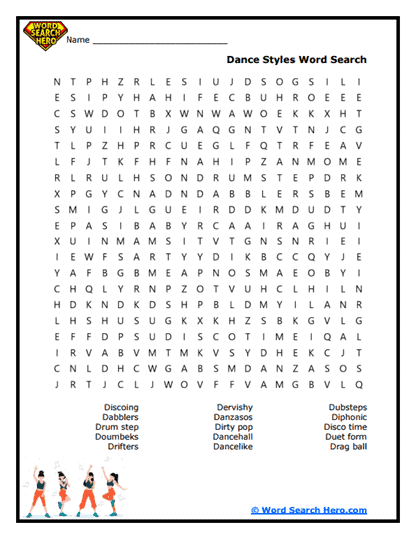
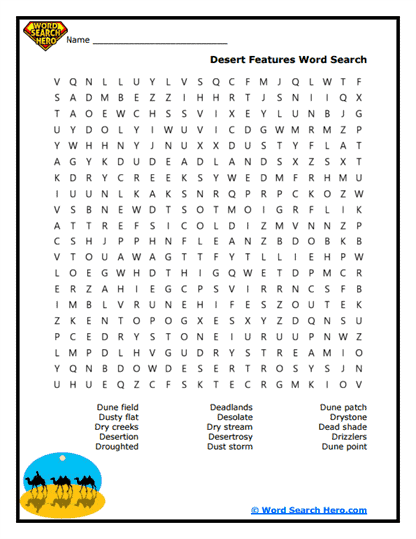
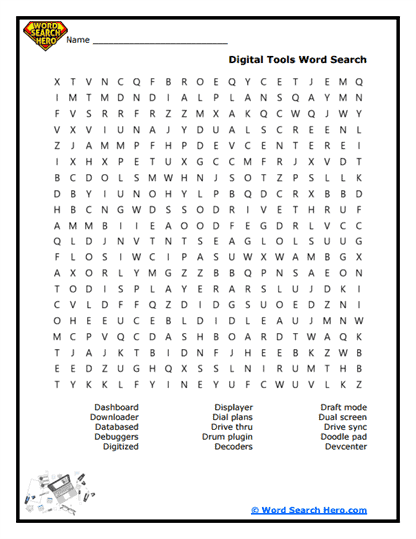
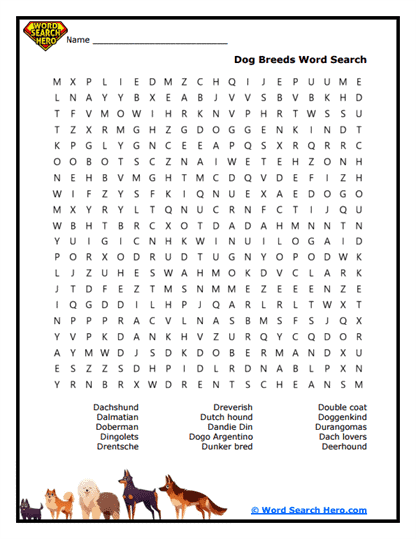
About Our Starts With Letter D Word Searches
Our “Starts With Letter D” word searches give students a fun and simple way to build reading skills by focusing on one clear pattern-every word begins with the letter D. This helps learners pay attention to how words start while enjoying a puzzle they already understand.
Because the letter D appears in many everyday words, these puzzles feel familiar right away. Students may see words connected to topics like dog breeds and animals, desert geography features, or even digital technology tools, making the activity both fun and meaningful.
These puzzles are especially helpful for younger readers who are learning how letters connect to sounds and how words are formed.
Why Starting Letters Matter in Reading
The first letter of a word gives readers an important clue.
When students see a word, they often use the first letter to help figure it out. That is why practicing starting letters-like D-is such a powerful step in learning to read.
With these puzzles, students learn to:
- spot the letter D quickly
- connect it to its sound
- use it to start reading the rest of the word
This builds strong reading habits.
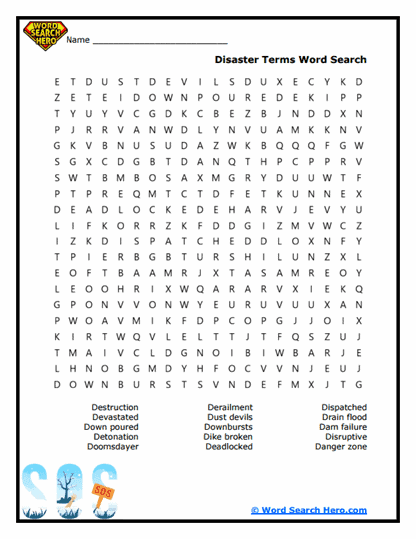
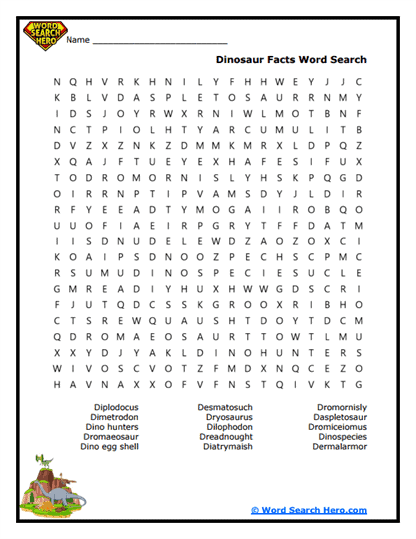
For example, when students see words tied to disaster preparedness topics or dinosaur science vocabulary, they begin to notice how many different kinds of words can share the same starting letter.
That pattern helps them read faster and with more confidence.
Paul’s Pro-Tip

Let the D’s guide you.
Before searching for full words, scan the puzzle and mark every “D” you can find. These are your starting points.
Then, check the letters around each D to see if they match a word from the list.
This makes the puzzle feel easier and helps students stay focused.
Helping Students Learn Words That Start the Same Way
These puzzles are a great way to turn letter practice into real learning.
Start by having students say the “d” sound out loud. Then ask them to find words in the puzzle that begin with that sound.
Next, try a simple activity:
- Pick one word and talk about what it means
- Ask where they might hear or use that word
- Use it in a short sentence
You can also extend the learning:
- Sort words into groups like animals, actions, or objects
- Think of new D words not in the puzzle
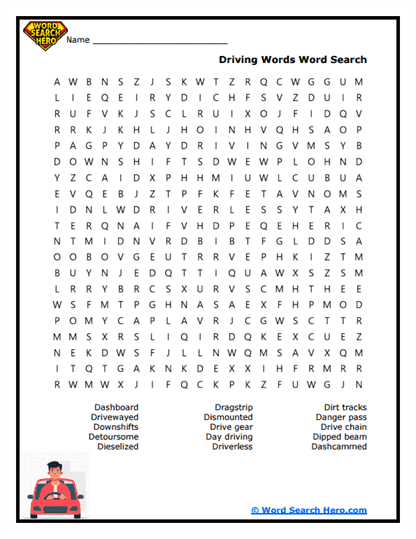
- Connect words to real-life topics like driving and transportation terms or everyday objects
These steps help students see that learning letters is not just about spelling-it is about understanding language.
Frequently Asked Questions
What are “Starts With Letter D” word searches?
These are puzzles where every hidden word begins with the letter D. This makes it easier for students to focus on one sound and one pattern while building vocabulary.
Why is focusing on one letter helpful for reading?
It helps students clearly connect a letter to its sound. When they see the same starting letter again and again, they begin to recognize it faster and use it as a clue when reading new words.
How do these puzzles build confidence?
Students know where to start-every word begins with D. This makes the puzzle feel more manageable, and finding words quickly gives students a sense of success that motivates them to keep going.
How can teachers use these in lessons?
Teachers can use them for phonics practice, literacy centers, or as a warm-up activity. They also work well as a quiet, independent task that still builds important reading skills.
How can families use these at home?
Families can use them as a short daily activity. After the puzzle, they can talk about a few words, ask what they mean, or use them in sentences to deepen understanding.
What should students do if they feel stuck?
Go back to the letter D. Find one, check the nearby letters, and look for a familiar pattern. Starting small usually helps the whole word come together.