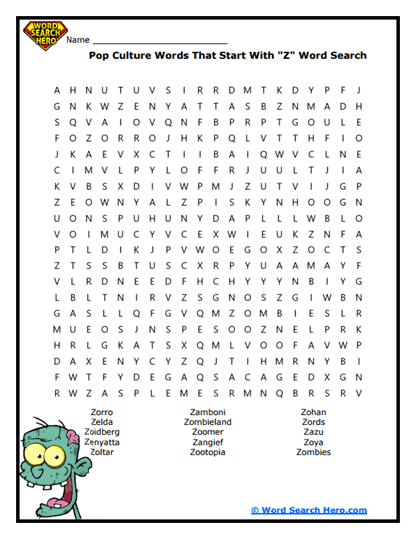
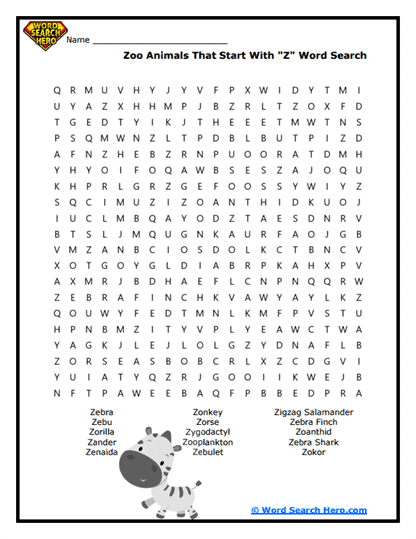
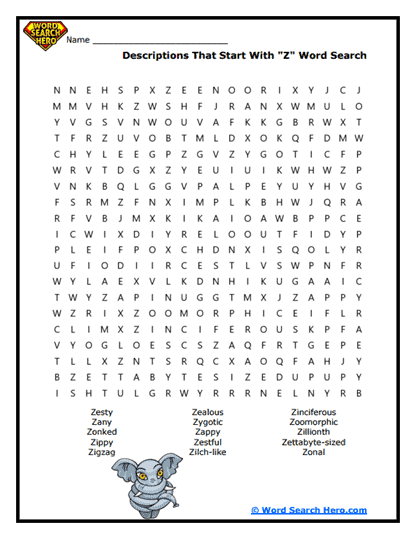
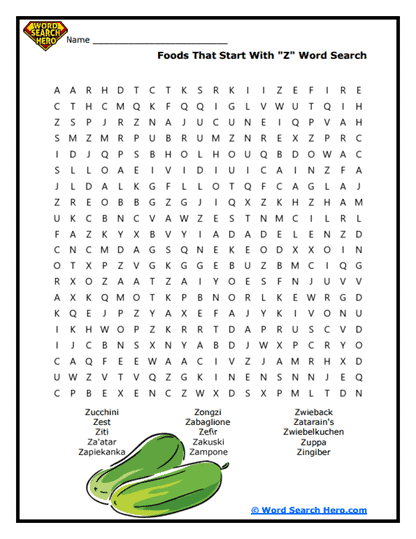
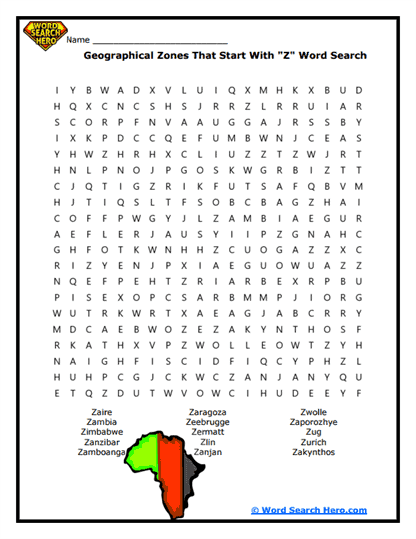
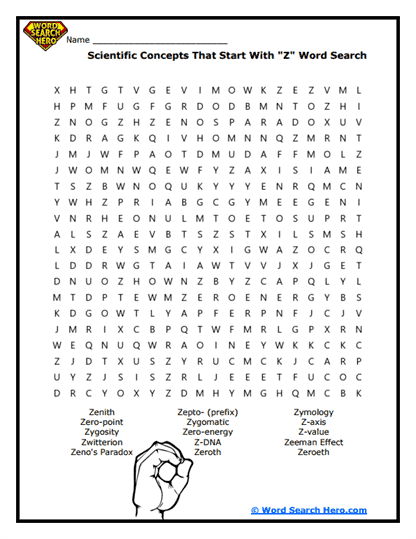
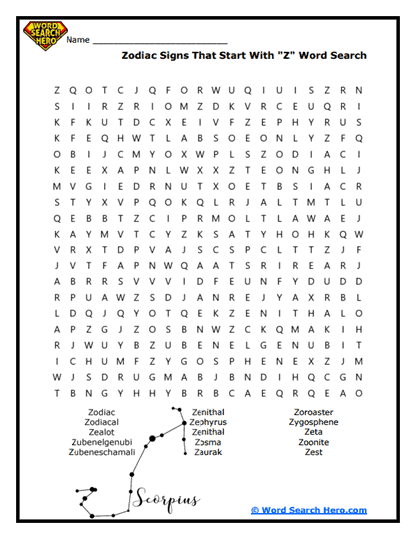
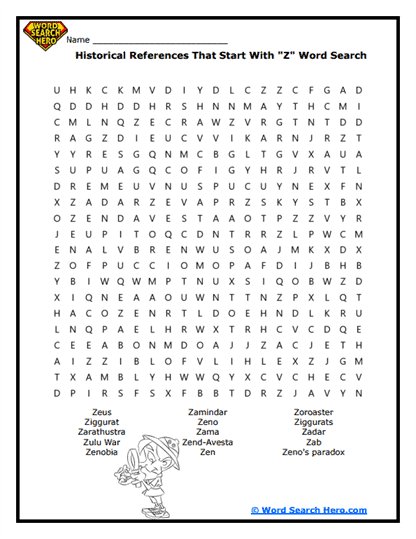
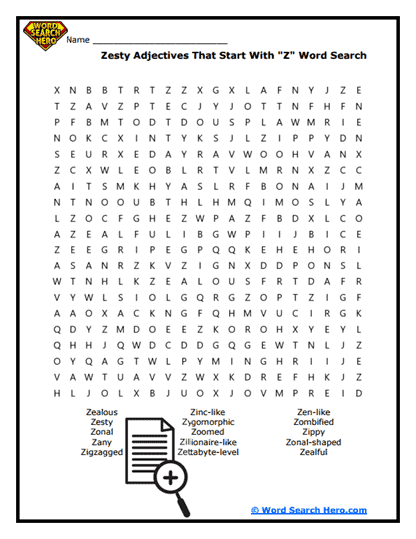
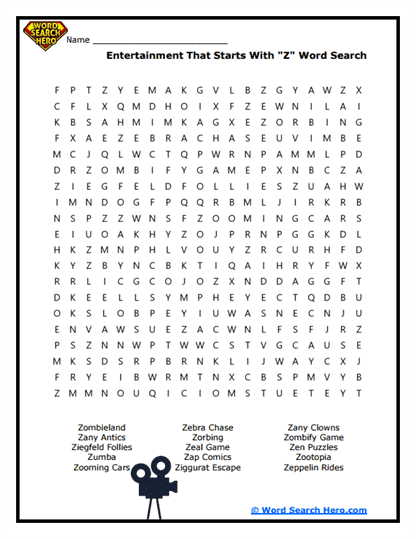
About Our Starts With Letter Z Word Searches
Our Starts With Letter Z word searches turn one of the most unusual letters in the alphabet into a fun and rewarding challenge. Every puzzle in this collection is filled with words that begin with Z, helping students focus on a single letter while building spelling and reading skills.
What makes these puzzles especially exciting is the mix of topics. Students might find animals, places, foods, science terms, or even pop culture names-all starting with Z. Because these words are less common, each one feels like a discovery. You can also extend learning by exploring rare vocabulary words or practicing with alphabet-based learning activities.
Teachers, parents, and homeschoolers often use these puzzles when students are ready for a slightly bigger challenge. The letter Z may be tricky, but that is exactly what makes it fun.
What Makes the Letter Z So Special in English
The letter Z is special because it is not used as often as other letters. That means words that start with Z can feel new, interesting, and sometimes even surprising.
When students work with Z words, they quickly notice how different they look and sound. Words like “zebra,” “zany,” and “zucchini” stand out right away. This helps learners remember them more easily because they are not blending in with more common words.
Z words also come from many different places. Some are tied to animals, others to science, food, or even world geography. This variety helps students see that even a rare letter can connect to many parts of life.
Working with these puzzles also builds strong reading habits. Students learn to pay close attention to letters and patterns. This supports skills like recognizing unique spelling patterns and understanding how new words are formed.
In the end, the letter Z may be rare, but it gives students a chance to explore vocabulary in a way that feels fresh and exciting.
Paul’s Pro-Tip
 Let the Z’s guide your eyes.
Instead of reading every letter, quickly scan the grid just looking for the letter Z. Since it does not appear very often, each Z you find is a strong clue.
Once you spot one, check the letters around it to see if it forms a word. This simple trick saves time and helps students feel more confident right away.
Create a “Z Word Challenge” List
After finishing the puzzle, turn the activity into a fun challenge. Ask students to come up with even more words that start with Z.
They can:
- write down new Z words they already know
- look up a few new ones in a book or dictionary
- ask friends or family for ideas
You can keep a growing list on paper or on a classroom board. Try to beat your previous total each time you do a puzzle.
This challenge helps students think beyond the puzzle and take control of their learning. It also works well alongside vocabulary-building challenges and creative word activities.
Over time, students will be surprised by how many Z words they can collect. What starts as a small list can quickly grow into something impressive.
Frequently Asked Questions
Why are Z word searches often shorter?
Because fewer English words begin with Z, the word lists are usually smaller than other letter puzzles. However, this also makes each word feel more special and easier to focus on.
Are Z words difficult for learners to remember?
At first, they might seem tricky. But their unusual spelling actually helps them stand out, which makes them easier to remember after a little practice.
Can these puzzles introduce cultural or scientific terms?
Yes, many Z words come from science, geography, or other cultures. This gives students a chance to learn new and interesting vocabulary they might not see in everyday reading.
Do these puzzles still follow standard word search rules?
Yes, just like any other word search, the words can be hidden across, down, diagonally, or even backwards in the grid.
What makes rare-letter puzzles useful for learning?
They expose students to less common words and encourage curiosity. This helps learners become more confident when they come across new or unusual vocabulary in the future.