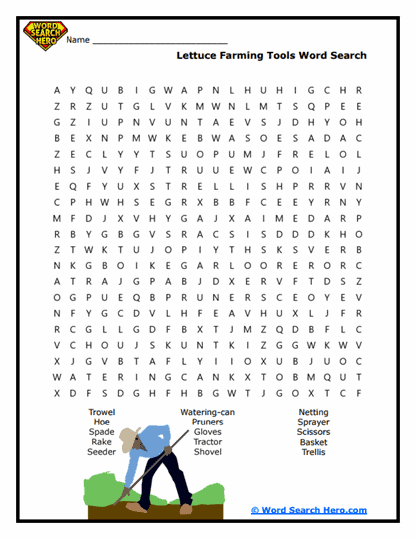
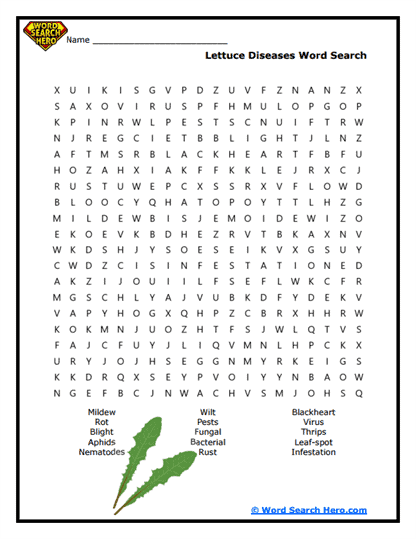
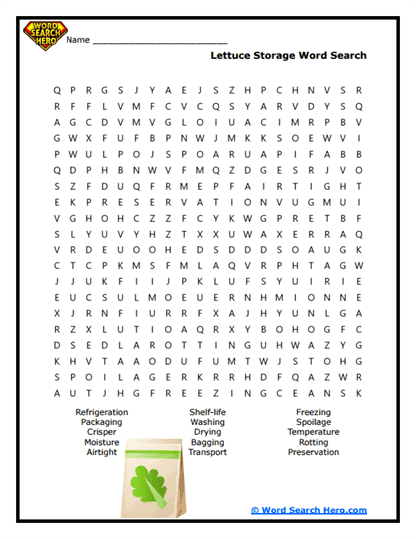
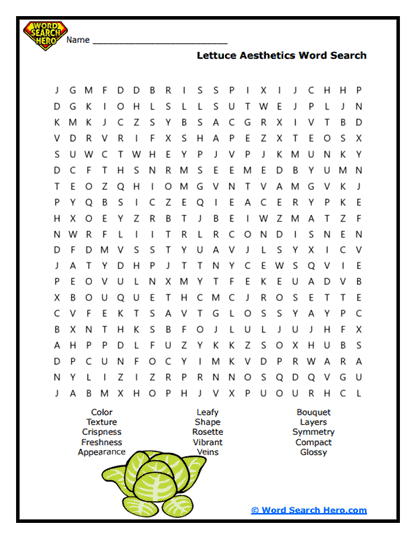
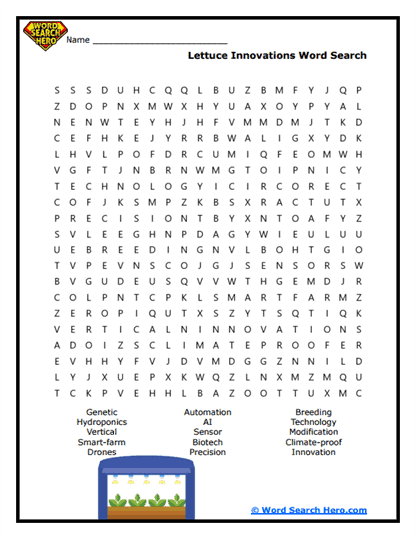
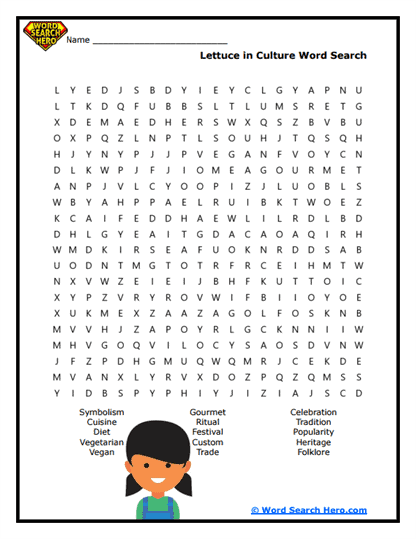
About Our Lettuce Word Searches
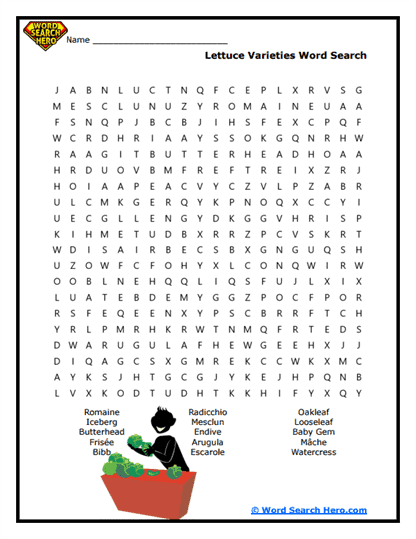
Lettuce may seem simple at first glance, but it’s a staple ingredient in many meals, making it a great theme for word search puzzles. Our Lettuce Word Searches collection highlights everything from leafy greens and garden terms to salads, wraps, and fresh ingredients. With words like leaf, crisp, romaine, and garden, these puzzles feel light, fresh, and easy to connect with.
Because lettuce is commonly found in everyday foods, this theme works especially well for younger learners. Simple, recognizable words help build confidence, while older students can explore more detailed vocabulary related to types of lettuce, food preparation, and nutrition. This makes the puzzles flexible and useful across different age groups.
These printables are perfect for classrooms, homeschool activities, and at-home learning. They fit nicely into lessons about healthy eating, plants, and gardening. Whether used as a quick brain break or part of a larger unit, lettuce word searches offer a calm and meaningful activity.
Fresh Learning in Every Puzzle
Lettuce word searches help learners build important literacy skills while staying connected to real-life topics. As they search for words, they practice spelling, visual scanning, and attention to detail. The simple, familiar theme helps learners stay engaged and successful.
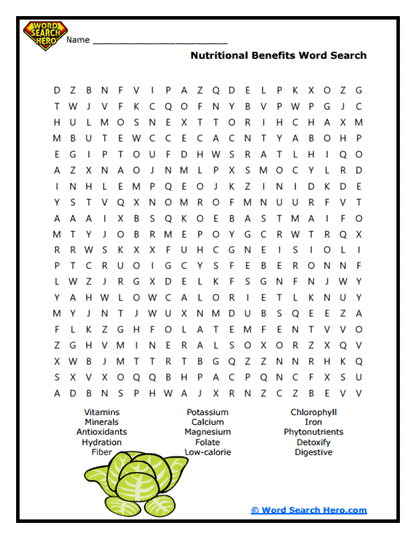
This topic also connects naturally to other subjects. In science, students can explore how lettuce grows, the parts of a plant, and the difference between leafy greens. In health lessons, lettuce can lead to conversations about balanced meals and fresh foods. Even simple sorting activities-like grouping vegetables or identifying ingredients in a salad-can deepen understanding.
In group settings, lettuce puzzles can spark easy conversations. Learners might talk about foods that include lettuce, like salads, sandwiches, or tacos. These discussions help build communication skills while keeping the activity relaxed and interactive.
Paul’s Pro-Tip

Turn your lettuce word search into a “salad builder challenge.” After completing the puzzle, have learners pick ingredients they found (or think of related ones) and create their own salad combination.
If someone gets stuck, suggest starting with short, simple words like “leaf,” “green,” or “salad.” These quick wins help build confidence and momentum.
A Crisp Way to Spark Conversation
Lettuce-themed puzzles are great for starting simple, everyday conversations. Because lettuce appears in many meals, learners often have something to share. You can ask questions like: Do you like salad? What foods do you eat with lettuce? Have you ever tried different types like romaine or iceberg?
These discussions help build descriptive vocabulary using words like crunchy, fresh, crisp, or leafy. They also encourage learners to think about food in a more detailed and thoughtful way.
At home, these puzzles can easily connect to real-life activities. Families might make a salad together, try a new leafy green, or talk about where lettuce comes from. These small extensions help make learning more interactive and memorable.
Frequently Asked Questions
What words are typically included in lettuce word search puzzles?
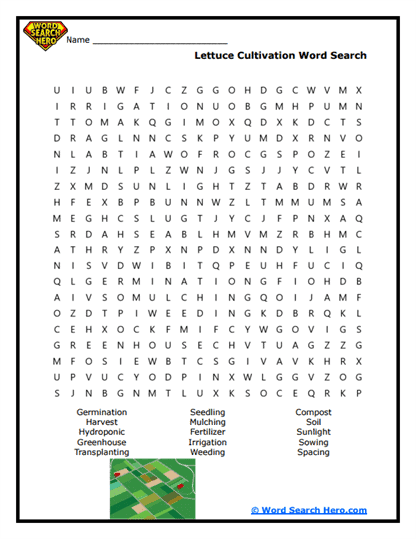
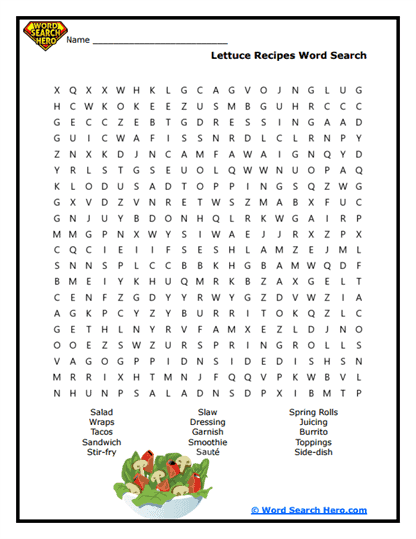
Lettuce word searches usually include terms related to the plant (lettuce, leaf, green, stem), types (romaine, iceberg, leaf lettuce), and foods (salad, sandwich, wrap). Some puzzles may also include garden-related words like soil, grow, or harvest.
Are lettuce word searches good for younger learners?
Yes, they are very accessible for younger learners. Many of the words are short and familiar, which helps children feel confident and successful as they complete the puzzle.
How do lettuce word searches connect to science lessons?
They are a great fit for plant and garden topics. Students can learn how lettuce grows, what parts of the plant are eaten, and how it fits into the plant life cycle.
How are lettuce word searches different from general vegetable puzzles?
Lettuce word searches focus on one specific vegetable, allowing for deeper exploration of related vocabulary like leafy greens, salad ingredients, and plant structure.
Can lettuce word searches be used in classroom lessons?
Absolutely. They work well in science units, nutrition lessons, or as simple literacy activities. They are also great for low-prep classroom use.
Why do kids enjoy lettuce-themed word searches?
Kids enjoy them because the words are simple and familiar, which makes the puzzle feel achievable. The connection to foods they already eat also keeps them engaged.
Can I turn a lettuce word search into a hands-on activity?
Yes. After completing the puzzle, learners can make a salad, try different lettuce types, or even grow lettuce at home or in a classroom garden.
How can lettuce word searches support vocabulary development?
They introduce both basic and slightly more advanced food and plant-related terms in a meaningful context. Because learners can connect the words to real-life experiences, they are more likely to remember and use them.