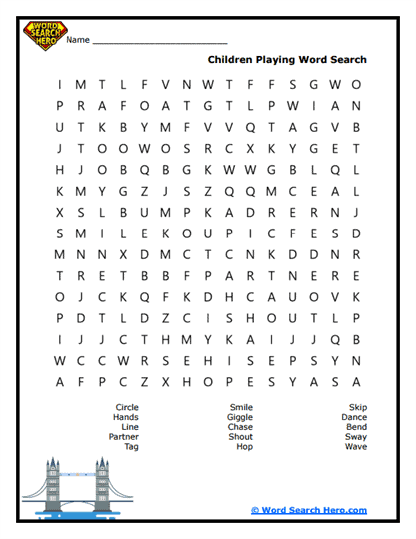
About Our London Bridge Is Falling Down Word Searches
Our London Bridge Is Falling Down Word Searches collection transforms a famous nursery rhyme into an engaging printable puzzle activity that supports early literacy and vocabulary development. Inspired by the well-known rhyme about the famous bridge in London, these puzzles allow students to explore words connected to the story while strengthening reading, spelling, and concentration skills.
Nursery rhymes are often one of the first forms of literature children encounter. Their rhythm, repetition, and simple storytelling make them easy to remember and enjoyable to recite. London Bridge Is Falling Down has remained popular for generations because of its catchy tune and playful lyrics. Turning the rhyme into a word search puzzle gives students a hands-on way to interact with its vocabulary.
Teachers, parents, and homeschool educators often choose word searches because they combine learning with fun. As students search for hidden words such as bridge, London, falling, build, silver, and gold, they reinforce spelling recognition and develop stronger word familiarity.
These puzzles work well in many educational settings. Teachers often use them as literacy center activities, morning warm-ups, or early-finisher tasks during nursery rhyme units. Homeschool families may incorporate them into poetry lessons or early reading practice. At home, they provide a quiet screen-free activity that still supports learning.
Word searches also encourage patience and visual scanning. Students carefully examine rows, columns, and diagonals to locate hidden words, strengthening the focus and attention needed for reading.
Because the rhyme is so familiar and rhythmic, students often stay engaged while solving the puzzle. The activity transforms a classic nursery rhyme into a fun literacy experience.
The Story and History Behind the Famous Bridge
The rhyme London Bridge Is Falling Down has been sung by children for centuries. While the exact origin of the rhyme is uncertain, many historians believe it refers to the long history of rebuilding London Bridge after damage from fires, storms, and other events.
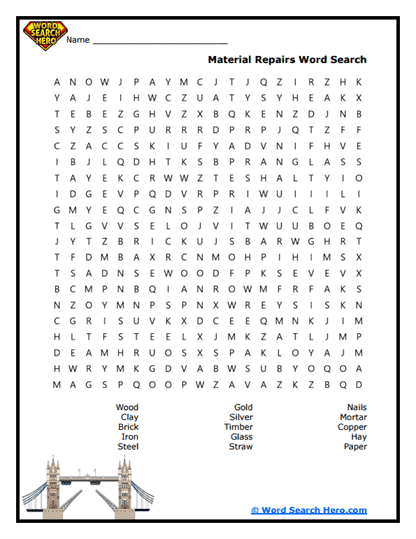
In the rhyme, the bridge repeatedly falls down and must be rebuilt using different materials such as wood, clay, iron, silver, and gold. This repetitive structure makes the rhyme easy for children to remember while also introducing a sequence of events.
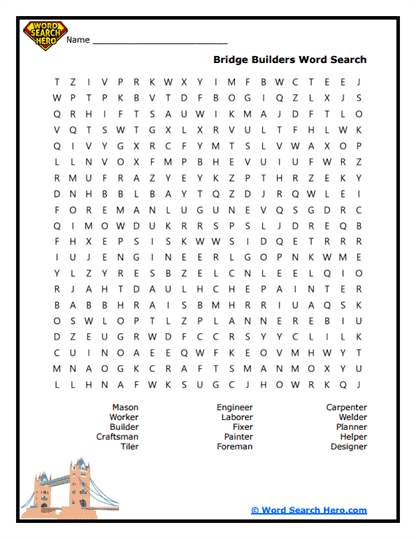
When students complete a word search inspired by the rhyme, they often encounter vocabulary related to building and repairing the bridge. Words such as bridge, build, falling, wood, iron, silver, and gold help reinforce the imagery found in the rhyme.
Teachers sometimes use this rhyme as an opportunity to discuss real bridges and how they are constructed. Students may talk about why bridges are important and how engineers design them to stay strong.
Another engaging activity is asking students to imagine how they would rebuild the bridge if they were the builders in the rhyme. Would they use stone, steel, or something entirely new?
Connecting puzzle vocabulary with the rhyme’s story helps students better understand the theme while strengthening reading and spelling skills.
Paul’s Pro-Tip
After 30 years in the classroom, I learned that nursery rhymes with actions keep students fully engaged.
When we use a London Bridge puzzle, I like to start with the classic playground game where two students form a bridge with their arms and others walk underneath.
Then, when someone finds a word like “bridge” or “build” in the puzzle, we connect it back to the rhyme.
Suddenly the lesson includes movement, music, and vocabulary practice all at once.
And trust me-students never forget a puzzle that starts with a mini bridge-building game.
Why Nursery Rhyme Word Searches Support Early Literacy
Nursery rhymes play an important role in early literacy development because they introduce language through rhythm, repetition, and storytelling. London Bridge Is Falling Down is especially effective because the rhyme repeats key phrases and words that young learners can easily remember.
When students complete a word search connected to the rhyme, they repeatedly encounter vocabulary such as bridge, falling, build, and London. Seeing these words multiple times helps strengthen spelling recognition and reading familiarity.
Word searches also strengthen visual tracking skills. Students carefully scan rows and columns while searching for hidden words that may appear forward, backward, or diagonally. These scanning abilities support reading accuracy and concentration.
Another benefit is the sense of accomplishment students feel when they discover each hidden word. These small successes build confidence and motivate learners to continue solving the puzzle.
Teachers often extend the activity by asking students to place puzzle words in the order they appear in the rhyme or discuss the materials mentioned when rebuilding the bridge.
Because the rhyme itself is lively and memorable, students approach the puzzle with enthusiasm. The activity allows them to revisit a classic nursery rhyme while quietly strengthening reading and vocabulary skills.
Frequently Asked Questions
What words appear in London Bridge Is Falling Down word searches?
Common words include bridge, London, falling, build, wood, iron, silver, and gold-vocabulary connected to the nursery rhyme.
Are these puzzles helpful when teaching the London Bridge rhyme?
Yes. Teachers often use them as follow-up activities after singing or reading the rhyme to reinforce key vocabulary.
Are London Bridge word searches suitable for younger learners?
Absolutely. The familiar rhyme and simple vocabulary make them ideal for preschool and early elementary students.
Do the puzzles include building materials from the rhyme?
Many puzzles include words like wood, iron, silver, and gold because these materials are mentioned when rebuilding the bridge.
When should students complete a London Bridge word search?
They work well after reading or singing the rhyme, during literacy centers, or as a fun independent activity during nursery rhyme lessons.