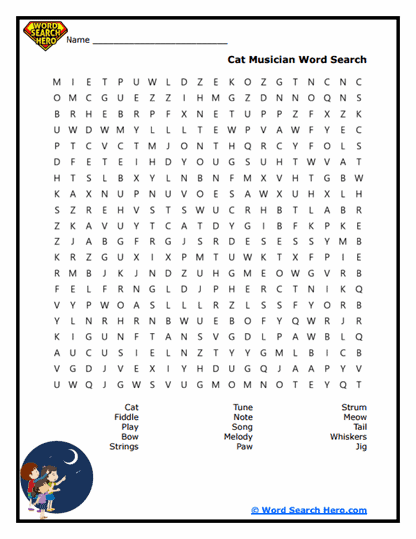
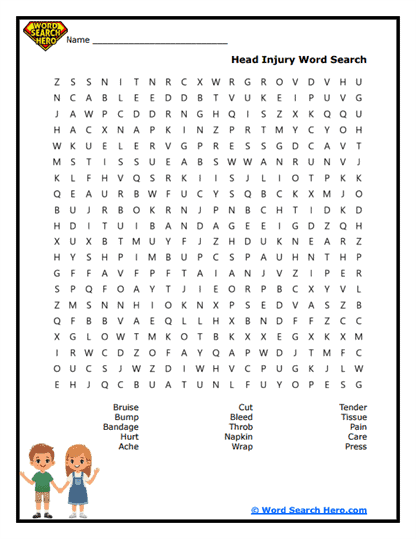
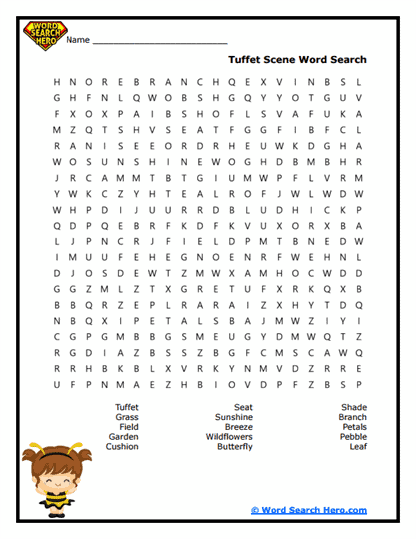
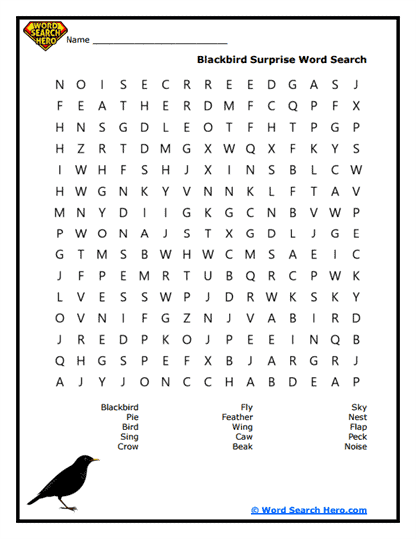
About Our Classic Nursery Rhymes Word Searches
Our Classic Nursery Rhymes Word Searches collection brings together many of the most beloved rhymes in children’s literature and turns them into a fun, engaging puzzle activity. These printable puzzles help students explore the playful language, characters, and memorable phrases from well-known nursery rhymes while strengthening important reading and vocabulary skills.
Nursery rhymes have been part of childhood learning for centuries. Rhymes like Humpty Dumpty, Jack and Jill, Mary Had a Little Lamb, Little Miss Muffet, and Old MacDonald Had a Farm are often among the first stories children learn. Their rhythm, repetition, and imaginative characters make them easy to remember and enjoyable to recite.
Word searches based on these rhymes provide a hands-on way for students to interact with the vocabulary found in the stories. As learners search for words such as crown, lamb, spider, hill, wall, and farm, they reinforce spelling patterns and improve word recognition.
Teachers, parents, and homeschool educators often choose word searches because they combine fun with meaningful learning. These puzzles can be used as literacy center activities, morning warm-ups, or early-finisher tasks in the classroom. Homeschool families frequently include them in poetry lessons, rhyme studies, or early reading units. At home, they provide a quiet screen-free activity that still supports language development.
Word searches also encourage patience and attention to detail. Students carefully scan rows, columns, and diagonals to locate hidden words, strengthening visual tracking skills that support reading fluency.
Because the rhymes are familiar and playful, students tend to stay engaged while solving the puzzles. The activity transforms classic nursery rhymes into an interactive learning experience that feels both entertaining and educational.
The Timeless Appeal of Nursery Rhymes
Classic nursery rhymes have lasted for generations because they combine storytelling, rhythm, and imagination in a simple format. Many of these rhymes were originally passed down through oral storytelling long before they were written down in books.
Rhymes like Humpty Dumpty, Jack and Jill, and Hey Diddle Diddle often feature surprising events or whimsical characters. Eggs fall off walls, cows jump over the moon, and mischievous spiders frighten young girls sitting on tuffets. These playful and imaginative moments make nursery rhymes memorable for children.
When students complete a word search based on classic nursery rhymes, they often encounter vocabulary connected to several different stories at once. Words such as king, crown, lamb, mouse, fiddle, and hill remind learners of the rhymes they may already know.
Teachers sometimes use these puzzles as an opportunity to review multiple rhymes together. Students can identify which rhyme a word belongs to or recall the lines from the story where the word appears.
This kind of activity helps strengthen memory, language patterns, and comprehension skills. It also encourages students to see nursery rhymes as part of a larger tradition of storytelling.
By connecting puzzles with classic rhymes, learners gain both vocabulary practice and a deeper appreciation for some of the earliest pieces of children’s literature.
Paul’s Pro-Tip
After decades in the classroom, I’ve learned that nursery rhymes are the perfect warm-up activity.
When students finish a Classic Nursery Rhymes puzzle, I like to turn it into a quick challenge. I pick one word from the puzzle and ask the class to name the rhyme it comes from.
“Crown?” Someone usually shouts Humpty Dumpty!
“Hill?” Here comes Jack and Jill!
It becomes a fast-paced rhyme quiz that students love.
Plus, the more connections they make between the words and the stories, the better those vocabulary words stick.
Why Nursery Rhyme Word Searches Strengthen Early Literacy
Nursery rhymes are powerful tools for early literacy because they introduce language through rhythm, repetition, and storytelling. When students interact with these rhymes in puzzle form, they reinforce vocabulary in a playful and memorable way.
Classic nursery rhyme word searches encourage students to recognize words connected to many familiar stories. Words like lamb, crown, fiddle, hill, and spider appear across different rhymes and help students build stronger spelling familiarity.
Word searches also strengthen visual scanning skills. Students carefully examine rows and columns of letters while searching for hidden words that may appear forward, backward, or diagonally. These visual tracking skills are closely connected to reading development.
Another benefit is confidence building. Each discovered word provides a small success that motivates students to keep searching and solving the puzzle.
Teachers often extend the activity by asking students to match words to the correct rhyme or recite the lines where those words appear. This helps reinforce memory, storytelling, and comprehension.
Because nursery rhymes are fun and imaginative, students approach the puzzles with enthusiasm. The activity allows them to revisit many classic stories while strengthening reading and vocabulary skills at the same time.
Frequently Asked Questions
What nursery rhymes are included in Classic Nursery Rhymes word searches?
Many puzzles feature vocabulary from well-known rhymes such as Humpty Dumpty, Jack and Jill, Mary Had a Little Lamb, Little Miss Muffet, and Hey Diddle Diddle.
Are these puzzles good for teaching multiple nursery rhymes at once?
Yes. They are often used in lessons that review several classic rhymes together, helping students connect vocabulary with different stories.
Are Classic Nursery Rhymes word searches suitable for younger students?
Absolutely. The familiar language and simple vocabulary make them ideal for preschool and early elementary learners.
Can teachers use these puzzles in literacy centers?
Yes. They work well as literacy center activities, bell ringers, or early-finisher tasks during nursery rhyme or poetry units.
How can parents use Classic Nursery Rhymes word searches at home?
Parents can read or recite a few nursery rhymes together and then have children complete the puzzle to find words connected to the stories.