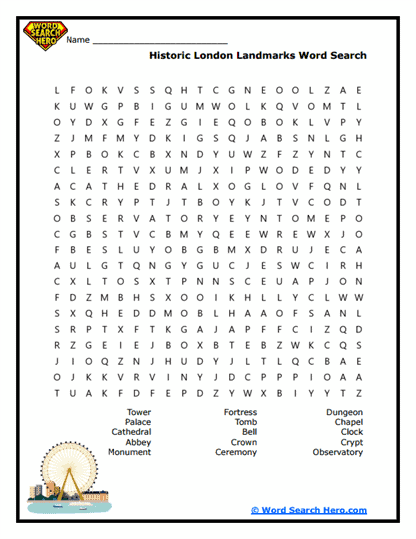
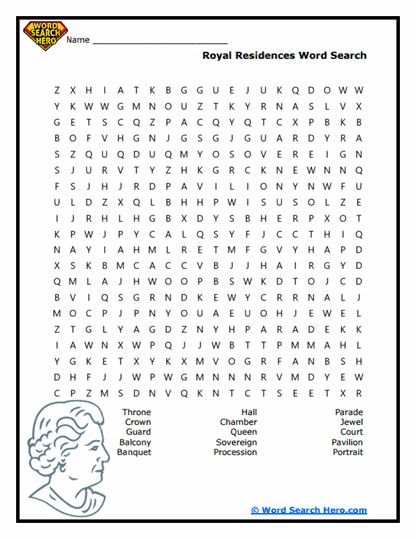
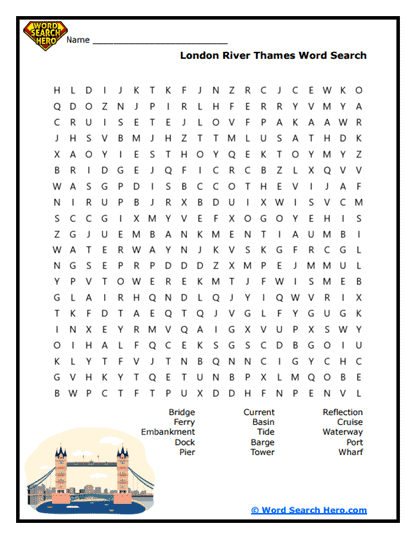
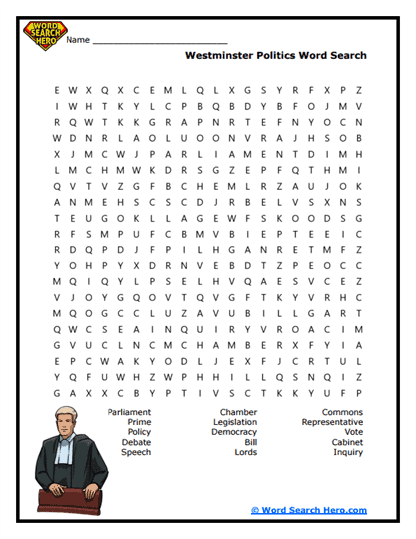
About Our London Word Search Collection
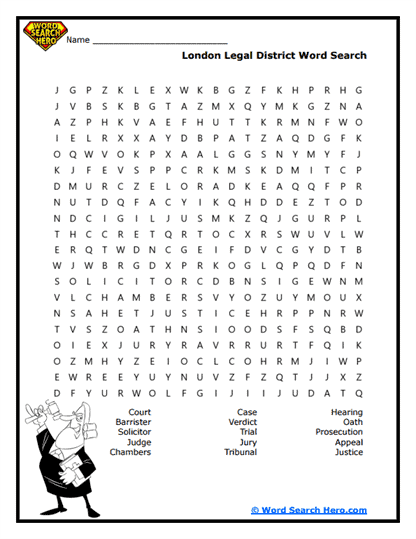
London word searches focus on one of the world’s most influential cities, known for its history, government, culture, and global impact. This collection highlights London as a place where important decisions are made, traditions are preserved, and millions of people live and work. Each word connects to what makes London a unique and recognizable location.
As students search for words like “Parliament,” “Thames,” “bridge,” “palace,” and “city,” they begin to understand how London functions as both a historic and modern place. It’s not just a city-it’s a center for leadership, tourism, and daily life. This makes the vocabulary more meaningful because it reflects real places and activities within London.
These puzzles are great for classroom use during geography, history, or cultural studies lessons. They also work well as independent activities that build focus, spelling, and reading skills. At home, they offer a fun way to explore a globally important city.
Because London is often seen in books, media, and discussions about world cities, students may already recognize parts of it. This familiarity helps them connect more deeply with the vocabulary and better visualize the place.
Exploring London as a Global City
London is a city filled with landmarks, systems, and roles that keep it running. When students encounter words like “Parliament,” “mayor,” “transport,” and “district,” they’re learning not just about the place, but about how people operate within it.
One way to extend this activity is by exploring the people connected to these places. For example, Parliament is where leaders meet and make decisions, and the mayor helps manage the city. This helps students connect location with the roles people play inside it.
You can also explore famous landmarks. Words like “Big Ben,” “Tower Bridge,” and “Buckingham Palace” show how certain places represent the identity of London. These landmarks are tied to both history and modern life.
For a creative extension, ask students to imagine they are visiting London. What places would they explore first? Would they visit a landmark, take transportation, or see where leaders work? This builds both comprehension and imagination.
By focusing on London as a place filled with activity and roles, these word searches help students understand how major cities function.
Paul’s Pro-Tip

Use the “landmark cluster” strategy-start by finding well-known names like “London,” “Thames,” or “Palace.” These words tend to stand out and often have related terms nearby, like “bridge” or “tower,” so slow down and search that area carefully.
Then switch to “function words” like “transport” or “district.” These are usually longer and stretch across the grid, making them easier to spot once the obvious landmark words are cleared.
Understanding a City Through Its Landmarks and Roles
London word searches help students connect vocabulary to a real-world place filled with meaning and activity. Each word represents something you would find in the city, from locations to systems to the people who keep it running.
These puzzles also strengthen geographic awareness. Students begin to understand how different parts of a city-like government buildings, transportation systems, and landmarks-fit together. This builds a clearer picture of how cities operate.
Another benefit is seeing how place and position connect. Words like “Parliament” or “mayor” show that certain locations are tied to important roles and responsibilities. This helps students understand how people interact with places.
The activity also builds focus and persistence. Students must carefully search for each word, improving attention to detail and strategy. The well-known setting keeps them engaged and curious.
By connecting vocabulary to a major global city, these word searches create a learning experience that is both educational and engaging.
Frequently Asked Questions
What makes London an important place globally?
London is a major center for government, finance, culture, and history. It is home to important institutions like Parliament and is known worldwide for its influence. This makes it one of the most recognized cities in the world.
What are the most important places to know in London for this puzzle?
Key places include the River Thames, Buckingham Palace, the Houses of Parliament, and Tower Bridge. These landmarks represent both the history and function of the city. Recognizing them helps students better understand London’s identity.
How do these word searches connect London to real-life roles?
They include words tied to both places and positions, like “mayor” or “Parliament.” This shows that certain locations are where important decisions and responsibilities happen. It helps students see how people and places are connected.
How can I turn this into a deeper geography activity?
You can look at a map of London and locate the landmarks found in the puzzle. Another idea is to trace a simple route between places like the Thames and Buckingham Palace. This helps connect vocabulary to real-world geography.
Why is learning about a specific city like London valuable?
It helps students understand how major cities function and why they matter. They learn about history, culture, and how people interact within a place. This builds both geographic knowledge and real-world awareness.