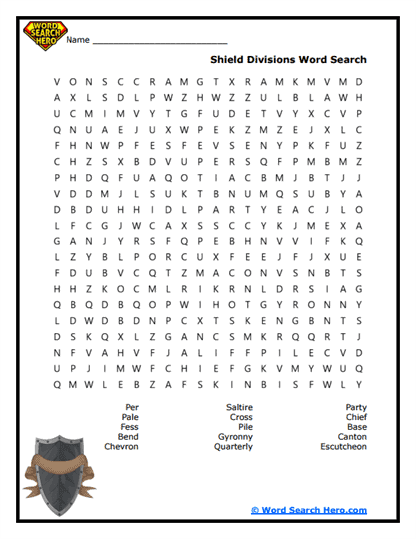
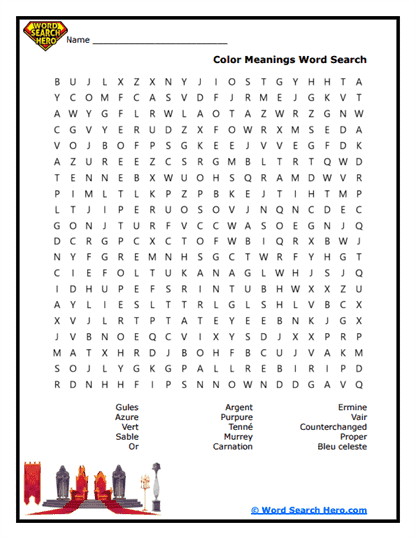
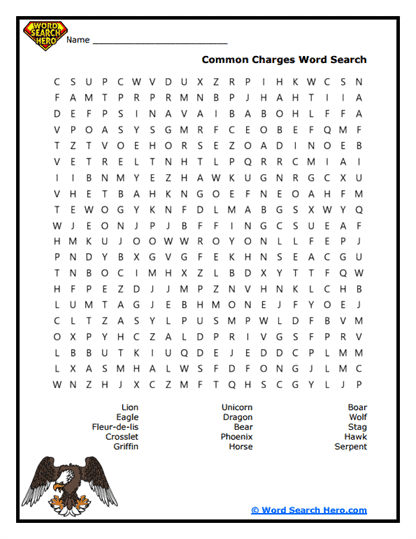
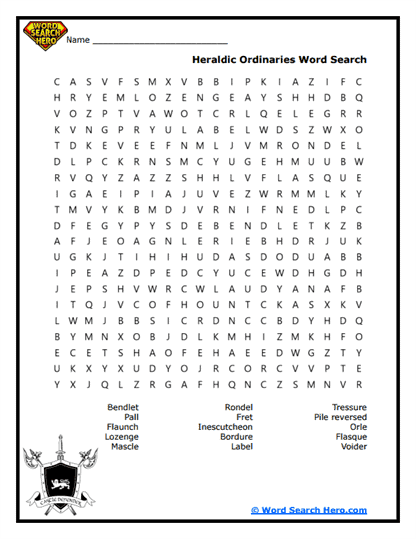
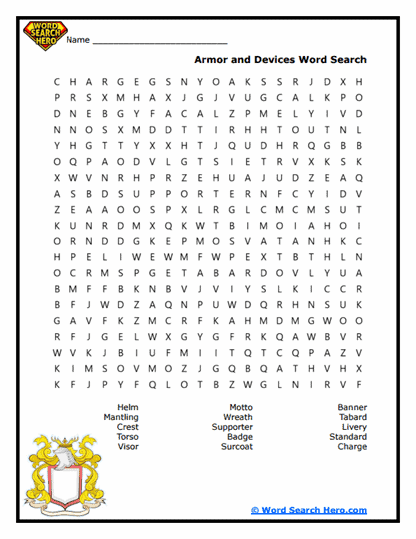
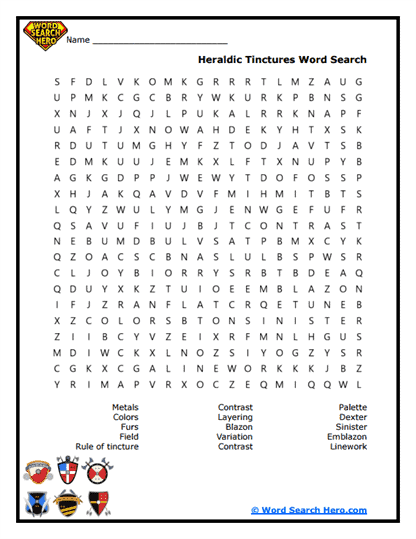
About Our Medieval Heraldry Word Searches
Our Medieval Heraldry Word Searches introduce students to the colorful and symbolic world of coats of arms, knights, and noble families while strengthening vocabulary, spelling, and focus skills. These printable puzzles help learners become familiar with the language and imagery associated with heraldry, an important system of identification used throughout medieval Europe.
Teachers often include heraldry when discussing medieval society because it connects to knights, castles, noble families, and the structure of feudal life. Word searches offer an engaging way to reinforce vocabulary connected to these topics. As students look for terms such as shield, crest, banner, lion, or armor, they begin to recognize words that frequently appear in medieval history lessons.
Parents and homeschool educators appreciate activities that combine learning with creativity. Heraldry is particularly interesting because it blends art, symbolism, and history. Each coat of arms used specific colors, animals, shapes, and patterns to represent family identity and achievements. Students often enjoy learning that these designs acted almost like medieval logos.
Word search puzzles allow learners to interact with this vocabulary in a relaxed and enjoyable way. While searching for hidden words, students practice careful observation and pattern recognition. At the same time, they are quietly absorbing historical terms connected to medieval culture.
Whether used in classrooms, homeschool lessons, or independent learning time, these puzzles help make the study of medieval heraldry more approachable. They offer a fun entry point into understanding how symbols and traditions helped shape identity, loyalty, and storytelling during the Middle Ages.
Symbols, Shields, and the Language of Heraldry
Heraldry developed during the Middle Ages as a system for identifying knights and noble families. Because armored knights were often difficult to recognize during battles or tournaments, distinctive symbols painted on shields and banners helped others quickly identify who they were.
Over time, these symbols became part of a formal tradition known as heraldry. Each coat of arms followed specific rules about colors, shapes, and imagery. Animals such as lions, eagles, and dragons were common symbols, often representing qualities like courage, strength, or protection. Other elements might include crowns, stars, crosses, or geometric patterns.
The design of a coat of arms usually included several parts. The shield held the main symbols, while the crest appeared above the helmet. Decorative elements called supporters sometimes stood beside the shield, and a motto might appear on a banner below.
Heraldry was not just decoration. It served practical purposes in medieval society. Knights displayed their arms during tournaments, battles, and ceremonies. Noble families used heraldic designs on flags, seals, buildings, and documents.
Students often enjoy discovering how each symbol carried meaning. Learning about heraldry also introduces them to the artistic and cultural traditions of medieval Europe. Word searches that include heraldic vocabulary help reinforce these ideas while encouraging curiosity about the symbolism behind the designs.
Paul’s Pro-Tip
When teaching heraldry, I always liked to add a little creativity after the puzzle.
Once students finish the word search, have them design their own coat of arms. They can choose animals, colors, and symbols that represent their personality, hobbies, or family.
Suddenly the vocabulary from the puzzle starts making sense. Students remember what a crest is, what belongs on a shield, and how symbols tell a story.
Plus, you end up with some pretty entertaining coats of arms. I once had a student create one featuring a pizza slice and a video game controller. Not exactly medieval… but definitely memorable.
The Hidden Learning Power of Symbol-Based Vocabulary
Heraldry is a great example of how symbols and language work together to communicate meaning. When students study heraldic vocabulary, they are also learning how images can represent ideas, traits, and identities.
For example, certain animals in heraldry often symbolized particular qualities. Lions commonly represented bravery and leadership, while eagles symbolized strength and authority. Colors also carried meaning. Gold might represent generosity, red could symbolize courage, and blue often represented loyalty or truth.
Recognizing these patterns helps students develop stronger analytical thinking skills. They begin to notice how symbols appear in many parts of history, from medieval shields to modern national flags and logos.
Word search puzzles help reinforce these terms in a way that feels playful rather than academic. Students scan the grid, recognize letters and patterns, and gradually become familiar with the vocabulary associated with heraldry.
As learners encounter these terms again in readings or discussions, they are more likely to recognize and understand them. Over time, this repeated exposure builds confidence and strengthens both vocabulary knowledge and historical understanding.
Activities like these demonstrate that even a simple puzzle can introduce students to complex ideas about symbolism, identity, and communication in the medieval world.
Frequently Asked Questions
What is medieval heraldry?
Medieval heraldry was a system of symbols and designs used on shields, banners, and coats of arms to identify knights and noble families during the Middle Ages.
How can teachers use heraldry word searches in class?
Teachers often use them as vocabulary reinforcement during medieval history units, as warm-up activities, or as quiet review exercises.
Are these puzzles suitable for homeschool learning?
Yes. Homeschool families frequently use printable word searches as independent activities that reinforce history vocabulary while keeping students engaged.
Do students need to understand heraldry before doing the puzzle?
No. The puzzles can serve as an introduction to the topic. After completing the activity, students can explore the meanings of the symbols and terms they discovered.
What extension activity works well with this topic?
A popular follow-up activity is having students design their own coat of arms using symbols and colors that represent their interests or personality. This helps reinforce the vocabulary and concepts connected to heraldry.