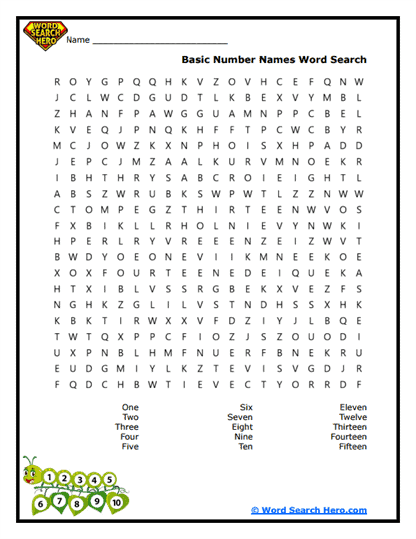
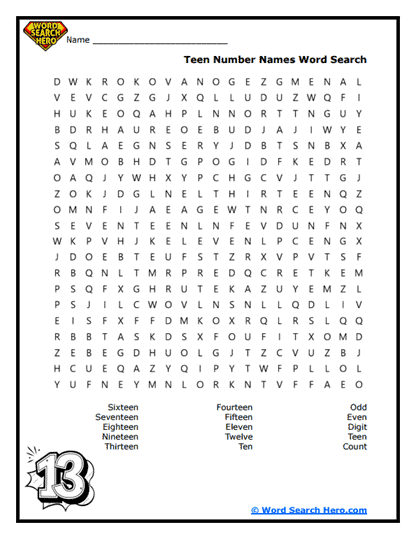
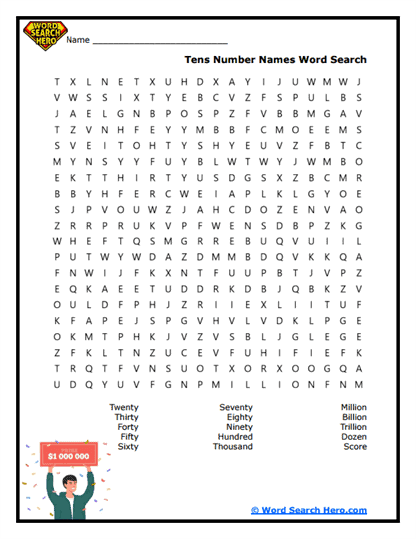
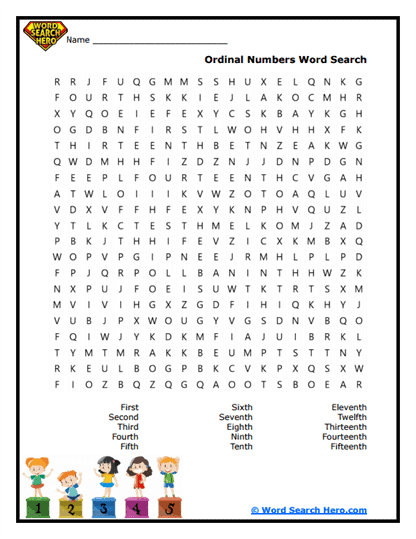
About Our Number Names Word Searches
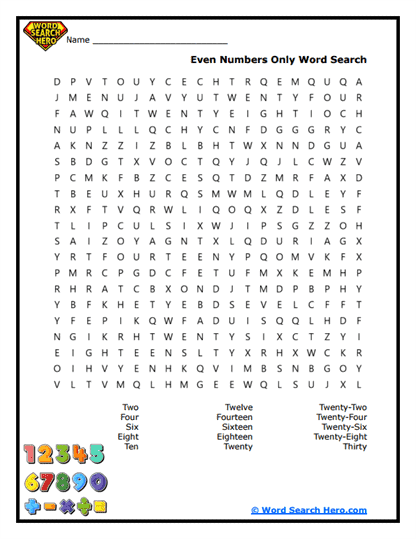
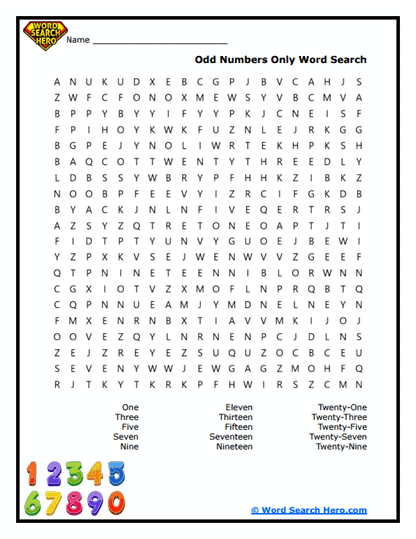
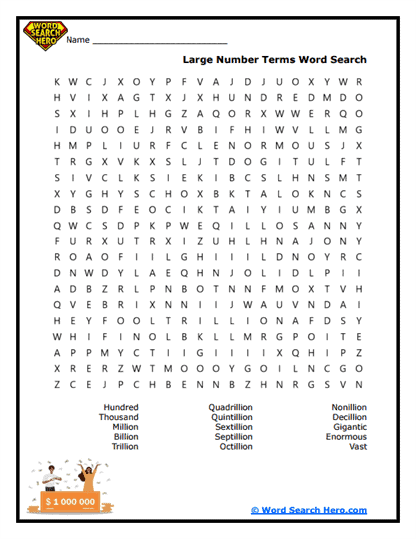
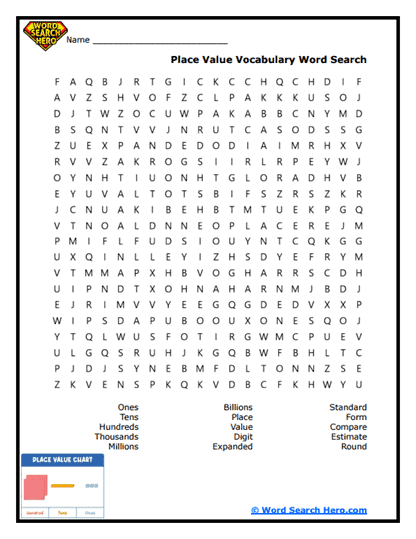
Number Names word searches help students become more familiar with the words used to represent numbers in written form. These printable puzzles introduce and reinforce terms connected to counting, spelling numbers, place value, and number recognition. Before students begin writing numbers in words or interpreting them in word problems, it often helps to first recognize the vocabulary used to represent those numbers.
Students regularly encounter number names when reading instructions, solving word problems, or writing numbers in expanded or written form. Words such as one, twenty, forty, hundred, and thousand appear frequently in math lessons and everyday situations. A word search offers a simple and engaging way to build familiarity with these terms before students apply them in reading, writing, and mathematical thinking.
Because the activity feels more like a puzzle than a traditional worksheet, it can make vocabulary practice feel less overwhelming. Teachers often use these printables as warm-ups, math center activities, early finisher work, or review pages during number sense units. Parents and homeschool educators can also add them easily to lessons as a way to reinforce number spelling while keeping learning relaxed and enjoyable.
As students search for the words in the puzzle grid, they are strengthening concentration, visual scanning skills, and pattern recognition. At the same time, they are building the vocabulary foundation that helps them connect written number names with numerical values.
Connecting Number Words to Number Values
Number names allow students to express numerical values using words instead of digits. This skill becomes important when reading math problems, writing numbers in word form, or understanding place value concepts. Students often learn number names alongside counting, but they continue practicing them as numbers grow larger and more complex.
Words like ten, hundred, and thousand help students understand how numbers are structured. These terms connect closely with place value, showing how groups of digits represent different quantities. When students recognize these words easily, they can more confidently interpret written numbers and convert between number forms.
Word searches help reinforce this vocabulary by giving students repeated exposure to the spelling and structure of number names. As students locate the words in the puzzle, they become more comfortable recognizing them when they appear in instructions, story problems, or written exercises.
Using vocabulary activities before practicing number writing can help students feel more confident and prepared when they begin working with number names in context.
Paul’s Pro-Tip
A highly effective way to extend this puzzle is to follow it with a “write it three ways” routine. After students complete the word search, choose several number names from the puzzle and ask them to represent each number in three forms: as a numeral, as a number name, and using place value language.
For example, if the puzzle includes the word forty, students would write the numeral form, spell the number, and describe it using tens and ones. This simple activity reinforces both spelling and number structure at the same time.
This approach adds strong instructional value because it connects vocabulary recognition with actual number sense. For teachers and homeschoolers, it also serves as a quick formative check. If students can move easily between number words, digits, and place value descriptions, it shows that they truly understand how numbers are built and represented.
Helping Students Read and Write Numbers in Everyday Life
Number names appear in many everyday situations. Students encounter them when reading checks, following written instructions, interpreting prices, or reading numbers in books and articles. Learning how numbers are written in words helps students navigate these situations with greater confidence.
When students become comfortable with number names, they also strengthen their reading and writing skills within math. They are better able to interpret word problems, write answers clearly, and understand how numbers are structured through place value.
A word search can serve as a helpful starting point for this learning. After completing the puzzle, educators can ask students to look for number names in books, newspapers, or everyday materials like recipes and calendars. Even a brief discussion can reinforce how often number words appear outside of math class.
When students become comfortable with the language of number names, they are better prepared to read, write, and interpret numbers in both school and everyday situations.
Frequently Asked Questions
When are number names word searches most useful?
They are especially helpful when students are learning to spell numbers, interpret written numbers, or practice place value concepts.
What grade levels benefit most from these puzzles?
They work well for early elementary students who are developing number sense and learning to connect number words with numerical values.
Can homeschool educators use these printables in lessons?
Yes. They are easy to print and pair well with counting activities, place value practice, and writing exercises that involve number names.
Do word searches help students learn number spelling?
They can. Repeated exposure to number words helps students recognize spelling patterns and remember how numbers are written.
What is a good follow-up activity after completing the puzzle?
A helpful next step is asking students to choose several number words from the puzzle and write them as numerals, spell them correctly, and explain their place value structure.