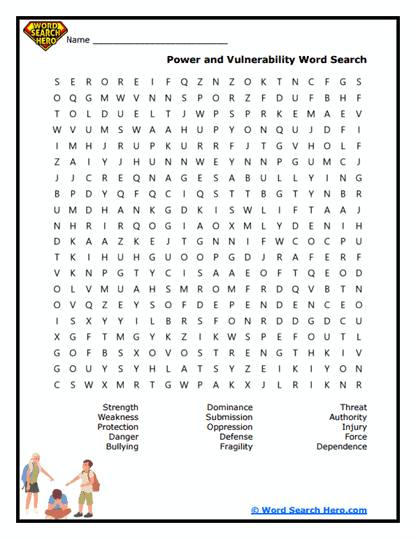
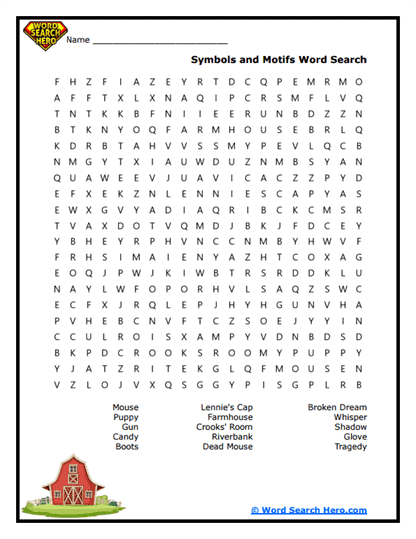
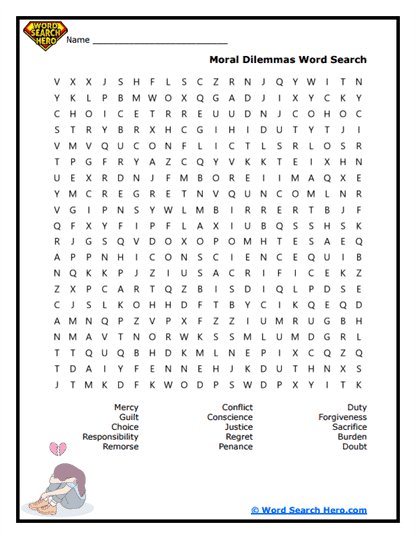
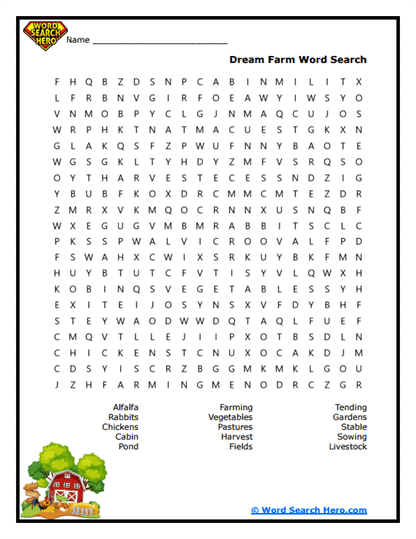
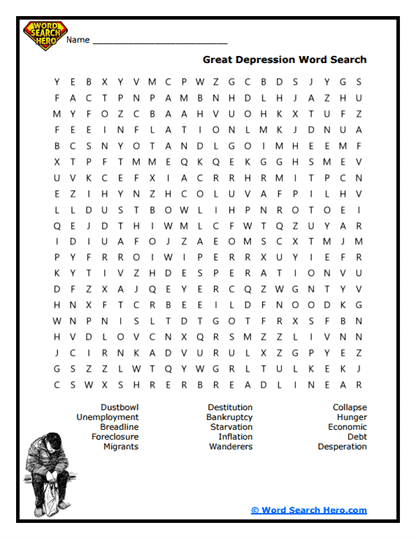
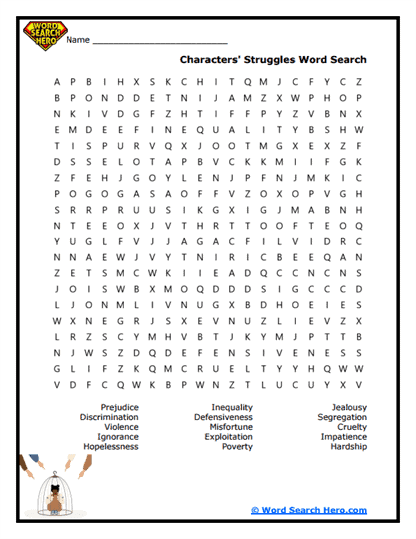
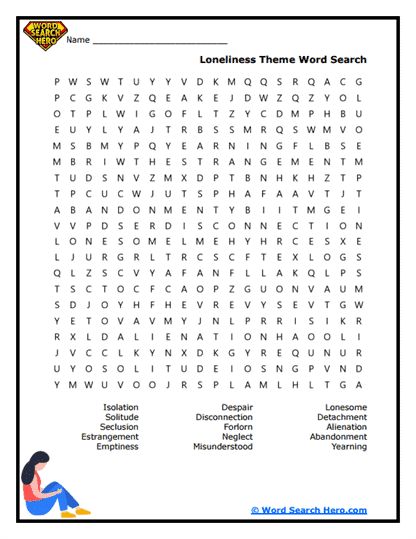
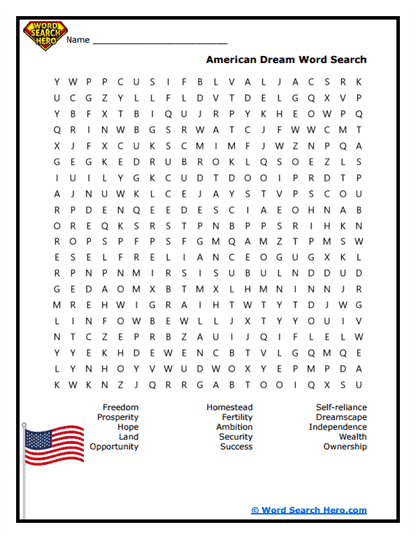
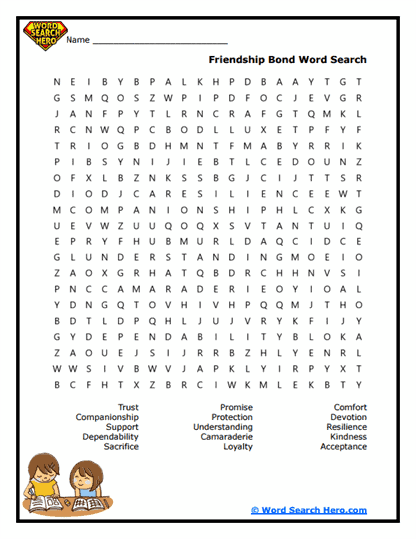
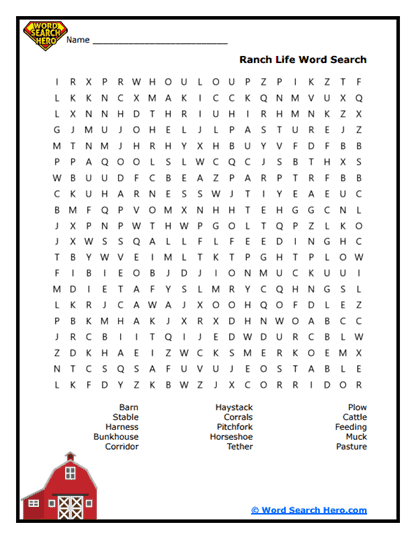
About Our Of Mice and Men Word Searches
Our Of Mice and Men Word Searches help students explore one of the most widely studied American novels while strengthening vocabulary, spelling, and concentration skills. These printable puzzles introduce learners to the characters, themes, and ideas connected to John Steinbeck’s powerful story.
Teachers often look for engaging ways to reinforce literary knowledge, and word searches provide a simple and effective option. As students search for words related to Of Mice and Men, they become more familiar with the characters, setting, and key themes from the novel. Repeated exposure to these terms helps learners recognize them more easily during reading assignments and classroom discussions.
Parents and homeschool educators also appreciate activities that combine learning with entertainment. Word searches encourage visual scanning, patience, and attention to detail while quietly reinforcing reading-related concepts. Students interact with vocabulary connected to friendship, dreams, hardship, and life during the Great Depression.
Because Of Mice and Men is often introduced in middle school and high school literature classes, these puzzles can serve as an excellent warm-up activity before reading, a review exercise after completing the novel, or a reinforcement tool during classroom discussions.
Understanding the Story of Of Mice and Men
Of Mice and Men was written by John Steinbeck and first published in 1937. The story takes place during the Great Depression, a difficult economic period in the United States when many people traveled from place to place looking for work.
The novel follows two migrant workers, George Milton and Lennie Small, who move from ranch to ranch in California searching for jobs. Despite their different personalities and abilities, the two share a strong friendship and a dream of owning their own small piece of land someday.
As they work on a ranch, they meet several other characters, including Candy, Slim, Curley, and Curley’s wife. Each character brings their own struggles and perspectives, helping readers understand the challenges faced by people during that time.
The novel explores themes such as friendship, loneliness, responsibility, and the pursuit of dreams. Steinbeck uses simple but powerful storytelling to show how individuals cope with hardship and hope for a better future.
Students studying Of Mice and Men often discover how literature can capture both the struggles and the hopes of people living in difficult historical circumstances.
Paul’s Pro-Tip
After students finish the word search, try a quick “dream discussion” activity.
Ask them to circle one character name and one dream-related word from the puzzle.
Then ask: What dream does that character hope to achieve?
Many students will recognize the characters’ shared dream of owning land and living independently. This simple discussion helps learners connect vocabulary from the puzzle to one of the novel’s most important themes.
Sometimes a single idea-like a dream for a better future-can drive an entire story.
Why Of Mice and Men Is Widely Studied
Of Mice and Men remains one of the most frequently taught American novels because it combines powerful themes with a straightforward narrative style. Steinbeck’s clear writing allows readers to focus on the emotions, relationships, and moral choices faced by the characters.
The novel also provides insight into the economic and social conditions of the Great Depression, helping students understand how historical events shaped everyday life for many Americans.
Another reason the story is widely studied is its focus on human relationships. The friendship between George and Lennie highlights themes of loyalty, responsibility, and compassion, while other characters reflect the loneliness and uncertainty experienced by many people during that era.
Steinbeck’s storytelling shows how small moments and simple conversations can reveal deeper truths about human nature. This combination of historical context and emotional storytelling has made Of Mice and Men a lasting part of American literary studies.
Word searches featuring vocabulary connected to Of Mice and Men help reinforce the characters, themes, and setting students encounter when studying the novel. By recognizing these words repeatedly, learners gain a clearer understanding of the story and its significance in American literature.
Frequently Asked Questions
Who wrote Of Mice and Men?
Of Mice and Men was written by American author John Steinbeck and published in 1937.
What is the main theme of Of Mice and Men?
The novel explores themes such as friendship, loneliness, responsibility, and the pursuit of dreams during difficult times.
Who are the main characters in the story?
The story primarily follows George Milton and Lennie Small, two migrant workers who travel together in search of employment.
Why is Of Mice and Men commonly taught in schools?
The novel combines a clear writing style with powerful themes and historical context related to the Great Depression.
What extension activity works well after completing the puzzle?
Students can discuss the dream shared by George and Lennie and explain how that dream influences the characters’ decisions and actions throughout the story.