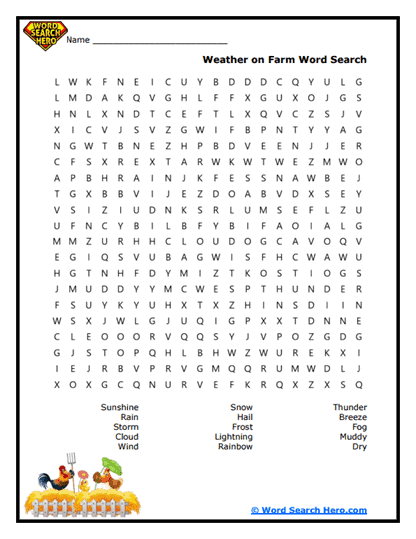
About Our Old MacDonald Had a Farm Word Searches
Our Old MacDonald Had a Farm Word Searches collection turns one of the most cheerful and recognizable nursery rhymes into a fun printable puzzle activity. Based on the famous rhyme about a farmer and his many animals, these puzzles help students explore farm vocabulary while strengthening reading, spelling, and concentration skills.
Old MacDonald Had a Farm is a favorite among young learners because it combines rhythm, repetition, and animal sounds. Children often enjoy singing the rhyme and mimicking the sounds of animals like cows, pigs, ducks, and chickens. By transforming the rhyme into a word search puzzle, students interact with the vocabulary from the story in an engaging and hands-on way.
Teachers, parents, and homeschool educators often choose word searches because they blend fun with meaningful literacy practice. As students search for hidden words such as farm, cow, pig, duck, barn, and tractor, they reinforce spelling patterns and develop stronger word recognition skills.
These puzzles can easily be used in a variety of learning settings. In classrooms, teachers often use them as bell ringers, literacy center activities, or early-finisher tasks during nursery rhyme units. Homeschool families may incorporate them into early reading lessons or farm-themed studies. They also work well as quiet independent activities during indoor playtime or travel.
Word searches also encourage patience and attention to detail. Students must carefully scan rows, columns, and diagonals while searching for hidden words, strengthening visual tracking skills that support reading development.
Because farm animals are so engaging for young learners, students often remain excited and motivated throughout the puzzle. The activity transforms a familiar rhyme into an interactive literacy experience.
Exploring the Animals on Old MacDonald’s Farm
One of the reasons Old MacDonald Had a Farm has remained popular for generations is the wide variety of animals featured in the song. Each verse introduces a different animal along with the sound it makes, creating a playful and memorable learning experience.
When students complete an Old MacDonald word search, they often discover words related to these farm animals. Common puzzle words may include cow, pig, duck, horse, sheep, chicken, and goat. These animals are central to the rhyme and help bring the farm setting to life.
Teachers sometimes extend the activity by asking students to match animals in the puzzle with the sounds they make. For example, cows say “moo,” ducks say “quack,” and pigs say “oink.” This connection between vocabulary and sound helps reinforce memory and language development.
The rhyme can also introduce students to basic ideas about farm life. Children may learn that farms raise animals that produce food, wool, or eggs. Words such as barn, field, and tractor can appear in puzzles and help expand students’ understanding of farming environments.
By discovering these words in a puzzle, students revisit the lively setting of Old MacDonald’s farm while strengthening their reading skills.
Paul’s Pro-Tip
After years of teaching younger students, I’ve learned that farm animals instantly wake up a classroom.
When we do an Old MacDonald puzzle, I add a quick challenge. Every time a student finds an animal word, they have to make the animal sound.
Find “cow”? That’s a big “moo!”
Find “duck”? Time for a loud “quack!”
The room fills with laughter, but here’s the trick-students remember the words much better because they connect them with the sounds.
Learning sticks when kids are having fun. And trust me, a classroom full of animal noises is unforgettable.
Why Farm-Themed Word Searches Support Early Learning
Farm-themed puzzles are especially helpful for younger learners because they combine familiar animals with simple vocabulary. Activities connected to Old MacDonald Had a Farm help students build language skills while staying engaged with a playful theme.
When students search for words like cow, pig, barn, and sheep, they repeatedly encounter vocabulary tied to the farm setting. This repetition strengthens spelling recognition and makes it easier for students to identify these words when reading.
Word searches also strengthen visual scanning abilities. Students carefully examine rows and columns while searching for hidden words that may appear forward, backward, or diagonally. These visual tracking skills are the same skills used when reading sentences and paragraphs.
Another important benefit is confidence building. Each time students locate a word, they experience a small sense of accomplishment that encourages them to continue solving the puzzle.
Farm animals also spark curiosity and conversation. Teachers and parents often extend the activity by discussing how farms work or by asking students to name additional animals that could appear in the rhyme.
By combining puzzles, storytelling, and animal vocabulary, Old MacDonald word searches provide a playful way to strengthen literacy skills while keeping students entertained.
Frequently Asked Questions
What words are included in Old MacDonald Had a Farm word searches?
Common words include farm animals such as cow, pig, duck, horse, sheep, and chicken, along with farm-related words like barn, field, and tractor.
Are these puzzles helpful when teaching the Old MacDonald rhyme?
Yes. Teachers often use them as follow-up activities after singing or reading the rhyme to reinforce animal vocabulary.
Are Old MacDonald word searches suitable for young learners?
Absolutely. The familiar farm theme and simple vocabulary make them ideal for preschool and early elementary students.
Do the puzzles include animal sounds from the song?
While the puzzles focus mainly on vocabulary words, teachers often incorporate the animal sounds as part of the activity.
How can parents use these puzzles at home?
Parents can sing the rhyme with their children first and then use the puzzle as a fun activity to find the animals from the farm.