About Our On a Safari Word Searches
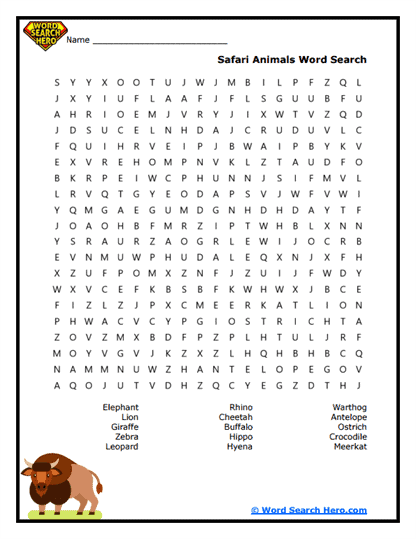
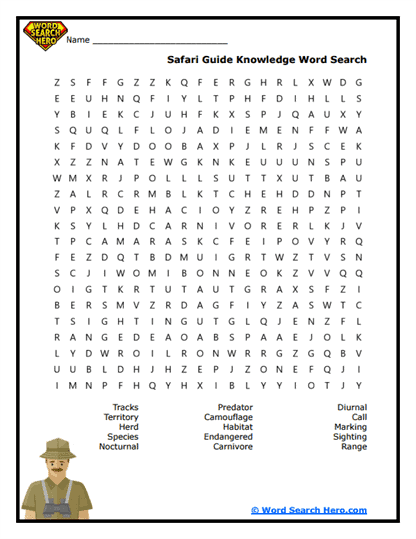
Our On a Safari Word Searches bring the excitement of wildlife adventures into a fun and engaging puzzle format. These printable puzzles feature vocabulary connected to safari animals, natural habitats, explorers, and the experience of observing wildlife in the wild. Teachers, parents, and homeschool educators often enjoy using themed puzzles like these because they combine curiosity about animals with meaningful vocabulary and reading practice.
As participants search through the puzzle grid for hidden words, they strengthen essential literacy skills such as spelling recognition, visual scanning, and pattern identification. Word searches encourage learners to carefully examine rows, columns, and diagonals to locate each word. While the activity feels like a simple game, it quietly reinforces reading fluency, focus, and attention to detail.
The safari theme is especially engaging because it introduces learners to fascinating animals and landscapes from around the world. Words related to lions, elephants, savannas, and wildlife tracking often spark curiosity about how animals live in their natural habitats. This connection helps learners relate vocabulary to real-world ecosystems and wildlife exploration.
Teachers often include safari-themed puzzles during science lessons about animals, habitats, or world geography. Parents and homeschool families also appreciate how easy these puzzles are to print and use during quiet learning time or nature-themed lessons.
By combining wildlife vocabulary with an engaging puzzle format, safari word searches encourage curiosity about animals and global ecosystems while strengthening language skills.
Exploring Wildlife on a Safari Adventure
A safari is an adventure that focuses on observing wildlife in their natural environments. Safaris often take place in wide open landscapes such as grasslands, savannas, and national parks where animals roam freely. When learners explore safari-related vocabulary through puzzles, they begin to understand the language used to describe these incredible wildlife experiences.
Common safari-related words might include lion, elephant, zebra, giraffe, savanna, and binoculars. As participants search for these words inside the puzzle grid, they practice recognizing spelling patterns and strengthening word recognition skills. This repeated exposure helps reinforce vocabulary while making the activity enjoyable.
Teachers sometimes use safari themes to introduce lessons about animal habitats and ecosystems. Students can learn about how animals survive in grasslands, deserts, and forests, and how wildlife conservation helps protect endangered species. Recognizing these terms in puzzles reinforces what they learn during science lessons.
Another advantage of safari-themed puzzles is how easily they inspire curiosity about animals from around the world. After completing the puzzle, learners often enjoy discussing their favorite animals or imagining what it might be like to see wildlife in the wild.
By exploring safari vocabulary through puzzles, learners strengthen language skills while developing interest in wildlife and global nature exploration.
Paul’s Pro-Tip
Safari word searches are perfect for building observation skills. I like to tell students they’re “spotting animals” hidden in the puzzle just like explorers spotting wildlife on a safari.
Encourage them to scan slowly and carefully, just like someone searching the savanna for animals. Once they find a few easy words, their confidence builds and the rest of the puzzle becomes much easier to solve.
Turning Safari Puzzles Into Wildlife Discovery
Safari-themed word searches can easily lead to exciting learning activities about wildlife and global ecosystems. After finishing the puzzle, teachers can invite students to choose one safari animal they discovered and share a few facts about it.
For example, a student who finds the word giraffe might explain how giraffes use their long necks to reach leaves high in trees. Another learner who spots the word lion might describe how lions live and hunt in groups called prides.
Another engaging extension is a wildlife research challenge. Students can choose one animal from the puzzle and learn where it lives, what it eats, and how it survives in its environment. This helps build both curiosity and knowledge about wildlife.
Families can also connect puzzles with learning at home by watching nature documentaries or reading books about animals found on safari. Children might enjoy identifying animals they saw in the puzzle while learning more about their habitats.
By linking puzzles with wildlife exploration, educators and parents transform a simple word search into an exciting journey through nature and animal discovery.
Frequently Asked Questions
How can teachers use safari word searches in the classroom?
Teachers often use these puzzles as warm-up activities, early finisher tasks, or quiet brain breaks during science lessons about animals and ecosystems. The puzzles introduce wildlife vocabulary while giving students a relaxing activity that strengthens reading skills.
Are safari word searches helpful for homeschool learning?
Yes, they work very well in homeschool environments because they combine vocabulary practice with lessons about animals and habitats. Parents can print a puzzle and then follow it with discussions about wildlife, geography, or conservation.
Do word searches help students learn animal-related vocabulary?
Word searches reinforce vocabulary by exposing learners to animal and nature terms repeatedly in a visual format. As students scan the puzzle grid and recognize spelling patterns, they strengthen word recognition skills that support reading comprehension.
What age groups enjoy safari-themed word searches the most?
Elementary and middle school students often enjoy these puzzles because the theme connects to animals and nature exploration. However, older students and adults can also enjoy them as relaxing brain challenges that strengthen concentration.
Can these puzzles encourage interest in wildlife and conservation?
Absolutely. When learners discover words related to safari animals and habitats, it often sparks curiosity about wildlife and environmental conservation. The puzzle can become the starting point for learning about animals, ecosystems, and protecting nature.