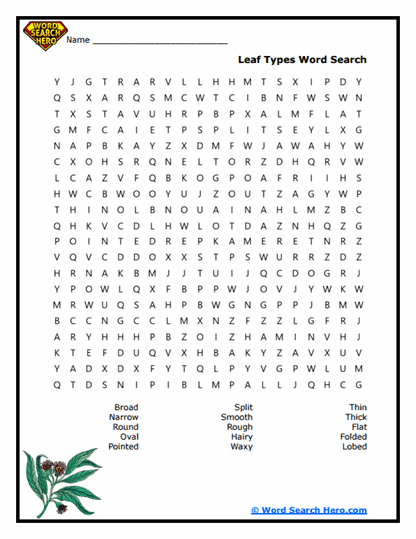
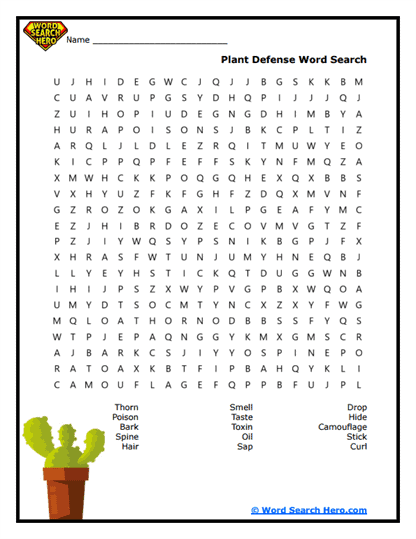
About Our Plant Word Searches
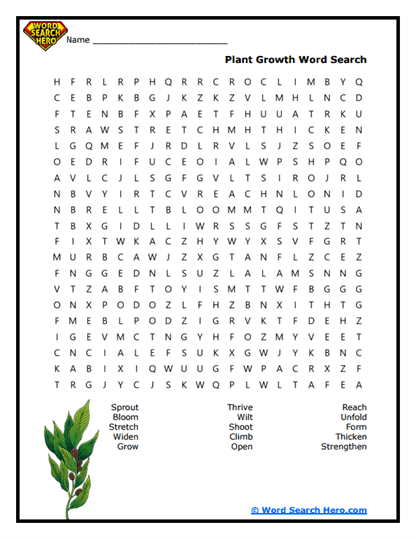
Plant word searches introduce students to the vocabulary used to describe the many parts, types, and processes involved in plant life. These printable puzzles help learners become familiar with important terms related to how plants grow, reproduce, and interact with their environment. Before students study plant biology in greater detail, it often helps to first recognize the language used to describe plant structures and life processes.
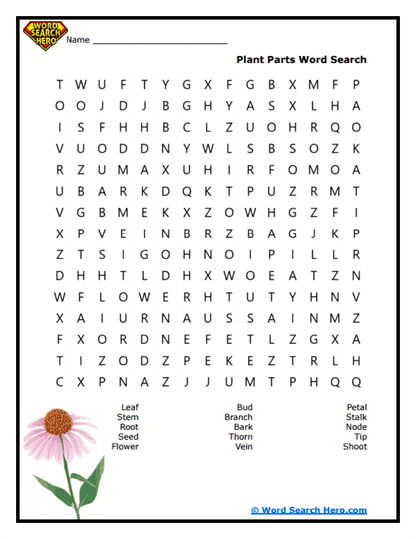
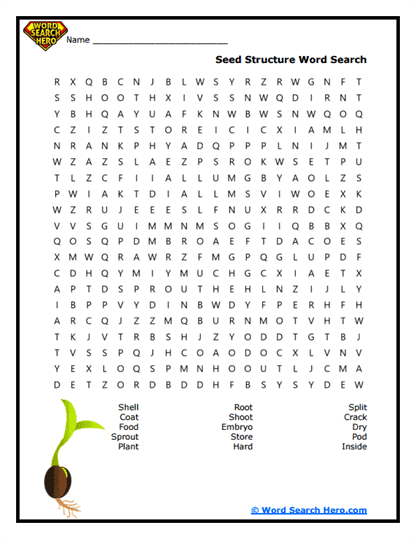
Students exploring plant science may encounter words such as root, stem, leaf, seed, growth, flower, and photosynthesis. These terms appear frequently in life science lessons and help students understand how plants develop and survive. A word search offers an engaging way to reinforce this vocabulary while strengthening spelling, observation, and pattern recognition skills.
Because the activity feels like a puzzle rather than a traditional worksheet, it can make scientific vocabulary easier and more enjoyable to learn. Teachers often use these printables during science centers, independent practice, review sessions, or early finisher activities. Parents and homeschool educators can also include them in lessons as a fun way to introduce plant science vocabulary.
As students search for the words in the puzzle grid, they strengthen concentration, visual scanning, and reading skills. At the same time, they build familiarity with the scientific language used to describe plant life.
Understanding the Basics of Plant Life
Plants are living organisms that play a critical role in ecosystems around the world. They produce oxygen, provide food for animals and humans, and form the foundation of many food chains.
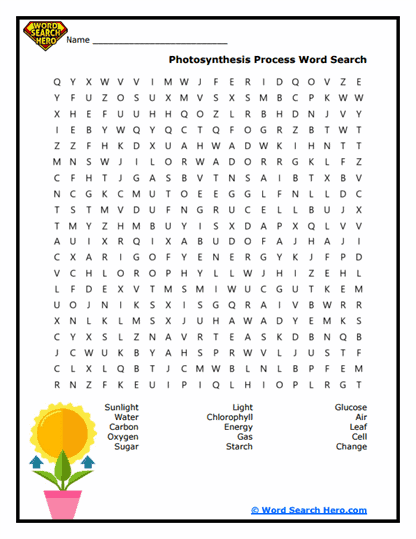
Plants grow using energy from sunlight. Through photosynthesis, they convert sunlight, water, and carbon dioxide into energy that allows them to grow and develop. Different parts of a plant perform specific functions that help the plant survive.
Roots anchor plants in the soil and absorb water and nutrients. Stems support the plant and transport water and nutrients throughout its structure. Leaves capture sunlight and help carry out photosynthesis. Flowers and seeds allow plants to reproduce and spread.
Learning the vocabulary associated with plants helps students understand how these organisms grow, function, and contribute to ecosystems.
Word searches reinforce this learning by giving students repeated exposure to the terms used when studying plant life.
Paul’s Pro-Tip
A powerful way to extend this puzzle is to connect vocabulary learning with real-world observation. After students complete the word search, ask them to examine a real plant or a picture of one.
Students can identify visible parts such as the leaves, stem, and flowers, then connect those parts to vocabulary words from the puzzle. Encourage them to describe what each part does for the plant.
This activity adds strong instructional value because it helps students move from abstract vocabulary to real biological structures. Teachers and homeschool educators can quickly assess whether students understand how plant parts work together to support growth and survival.
Helping Students Understand Plant Importance
Plants are essential to life on Earth. They provide oxygen, produce food, and create habitats for many living organisms. Understanding plant vocabulary helps students recognize the role plants play in ecosystems and human life.
Learning about plants also supports broader science topics such as ecosystems, food chains, and environmental science. Students who understand plant structures and functions are better prepared to explore how living things interact with one another.
A word search can serve as an introduction to a plant science lesson or as a review after students have studied plant biology in class. After completing the puzzle, educators can encourage students to connect the vocabulary with diagrams, plant observations, or gardening activities.
When students become familiar with plant-related vocabulary, they gain the language and understanding needed to explore how plants grow, reproduce, and support life on Earth.
Frequently Asked Questions
What are plants?
Plants are living organisms that grow in soil or water and produce their own food using energy from sunlight.
Why are plants important to ecosystems?
Plants provide oxygen, food, and habitats for many living organisms, making them essential to healthy ecosystems.
What are the main parts of a plant?
Most plants have roots, stems, leaves, flowers, and seeds that help them grow and reproduce.
How do plants make their own food?
Plants produce food through a process called photosynthesis, which uses sunlight, water, and carbon dioxide.
What activity pairs well with this puzzle?
Students can observe a real plant and label its major parts, describing how each structure helps the plant grow and survive.