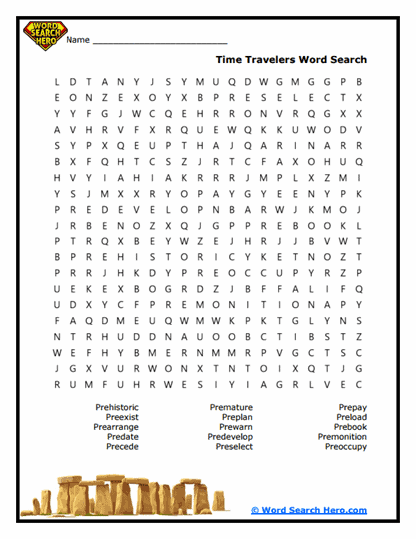
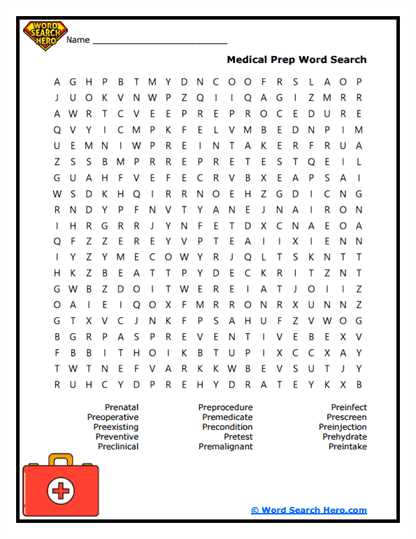
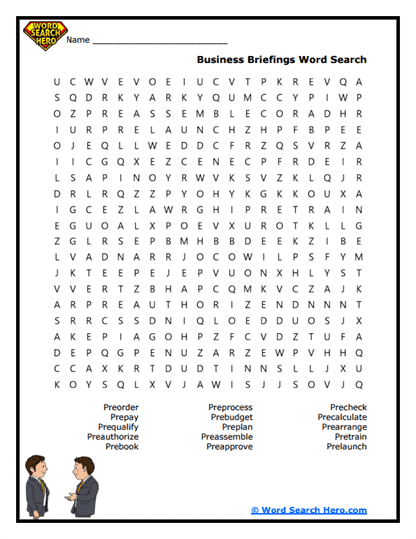
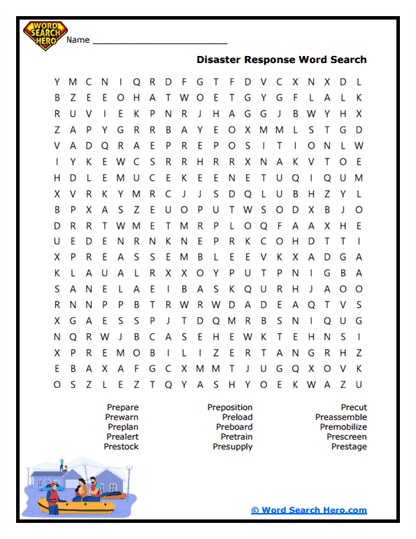
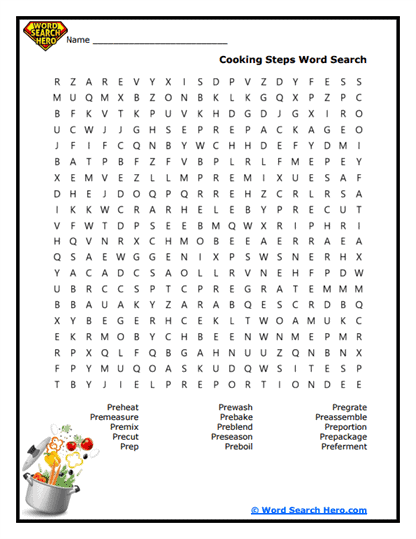
About Our Pre- Prefix Word Searches
The prefix pre- is a common word beginning that usually means “before” or “earlier.” When added to the beginning of a word, it helps describe something that happens ahead of time. Words like preview, prepare, preheat, and predict all use this prefix. Our printable Pre- Prefix Word Searches give learners a fun and engaging way to explore these vocabulary patterns while improving spelling and reading skills.
Instead of memorizing lists of vocabulary, students interact with the words through a puzzle grid. Searching for each word encourages careful scanning, pattern recognition, and repeated exposure to how the pre- prefix appears in many English words. As learners become familiar with this pattern, they begin recognizing it quickly when reading and understanding how it changes the meaning of base words.
Teachers often use these puzzles as classroom warm-ups, literacy center activities, vocabulary review, or early finisher assignments. Parents and homeschool educators appreciate that they are simple to print and require very little preparation. Younger learners can focus on finding the words, while older students can extend the activity by discussing how the prefix changes the meaning of each word.
Word searches also help strengthen concentration, visual tracking, and spelling awareness. By combining vocabulary practice with a puzzle challenge, these printables make word study both effective and enjoyable.
Understanding What the Pre- Prefix Means
The prefix pre- generally means “before.” It is used to describe something that happens earlier in time or in advance of something else.
For example:
- view → preview
- heat → preheat
- dict → predict
In each example, the prefix changes the meaning of the base word to show that something happens ahead of time.
After completing the puzzle, students can practice identifying the base word and explaining how the pre- prefix changes its meaning. Another helpful activity is to brainstorm additional words that begin with pre- and discuss what they mean.
Recognizing these patterns helps students understand unfamiliar vocabulary when reading and expand their overall word knowledge.
Paul’s Pro-Tip
A simple way to remember the pre- prefix is to think of it as the “before button.” If you preview something, you see it before others do. If you preheat an oven, you heat it before cooking. Once students connect the prefix with the idea of “before,” many pre- words become easy to understand.
Expanding Vocabulary With Prefix Patterns
Learning prefixes like pre- helps students understand how English words are built. Instead of memorizing every vocabulary word separately, they can recognize patterns that apply to many different words.
After completing the puzzle, students can become “prefix detectives.” Encourage them to look for other pre- words while reading books or listening to conversations. Words like prevent, preschool, and prepaid appear often in everyday language.
You can also extend the activity by asking students to write sentences using several pre- prefix words they found in the puzzle. For example, We need to preheat the oven before baking or The trailer gave us a preview of the movie. This helps learners connect vocabulary recognition with real communication.
Word searches provide a simple and engaging introduction to word-building concepts. As students become more familiar with prefixes like pre-, they develop stronger vocabulary skills and greater confidence when encountering new words.
Frequently Asked Questions
What does the pre- prefix mean?
The prefix pre- means before or earlier than something else.
What are examples of words with the pre- prefix?
Examples include preview, preheat, predict, prepare, and preschool.
How does the pre- prefix change the meaning of a word?
It usually shows that something happens ahead of time or before another event.
Why is learning prefixes like pre- important?
Understanding prefixes helps students figure out the meaning of unfamiliar words and expand their vocabulary.
What are effective ways to teach prefixes?
Word searches, vocabulary games, word-building activities, and sentence-writing exercises are all helpful ways to teach prefixes.