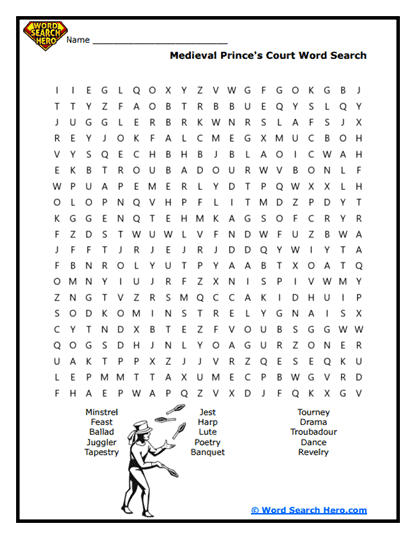
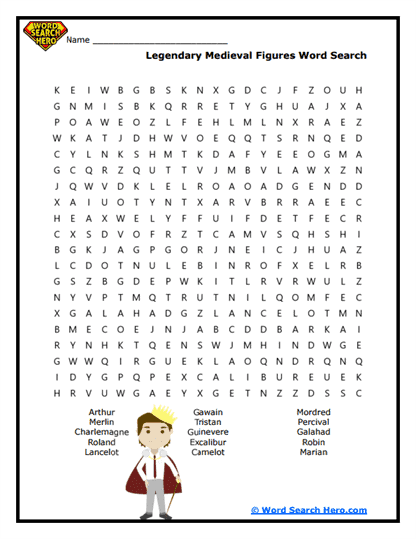
About Our Prince & Royal Word Searches
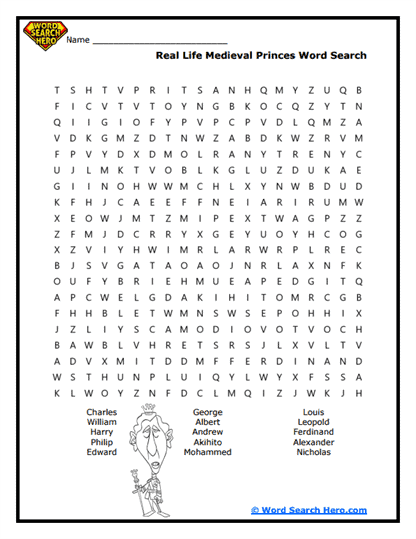
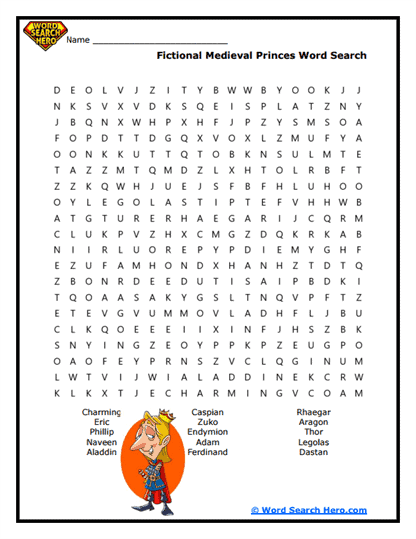
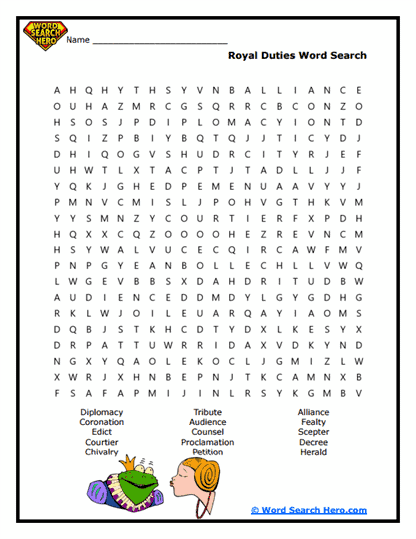
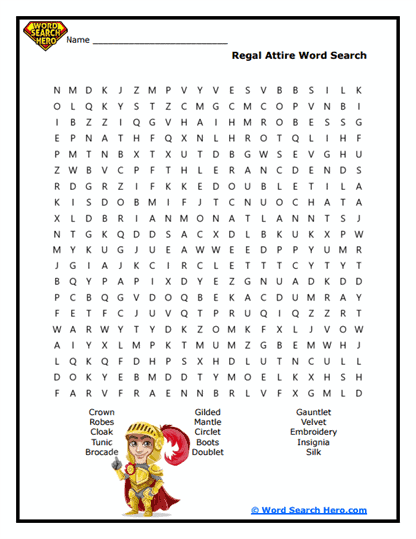
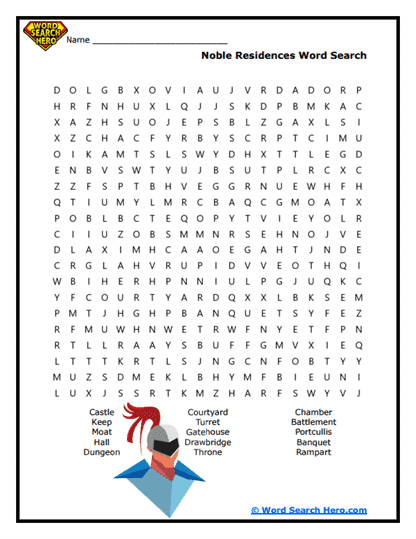
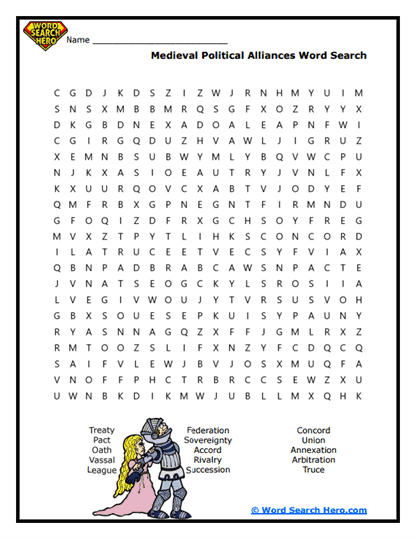
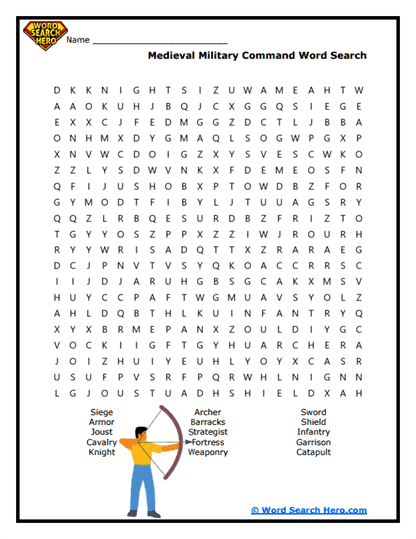
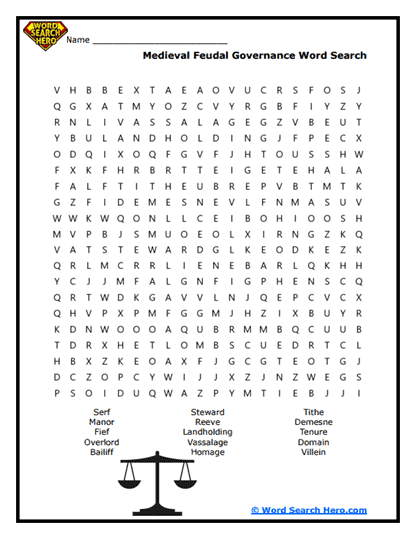
Our Prince & Royal Word Searches introduce students to the fascinating world of medieval royalty while helping them build vocabulary and reading skills through engaging printable puzzles. During medieval times, princes and members of royal families played important roles in the structure of kingdoms. These puzzles allow learners to explore the language connected to royal life while enjoying a fun and interactive activity.
Word searches are a helpful learning tool because they encourage students to actively engage with vocabulary. As learners scan the puzzle grid to locate hidden words, they practice recognizing spelling patterns, identifying letter combinations, and strengthening visual tracking skills. These abilities support reading development and help students feel more confident when encountering historical terms.
Teachers often incorporate themed puzzles like these into medieval history units as classroom warm-ups, literacy center activities, or enrichment tasks for students who finish work early. Because the puzzles allow students to work independently while still reinforcing key vocabulary, they help maintain focus and productivity in the classroom.
Parents and homeschool educators also appreciate how easy printable puzzles are to include in daily learning routines. A single puzzle can introduce important medieval terms before a lesson or serve as a review afterward.
The theme of princes and royal life naturally sparks curiosity about castles, royal families, and the structure of medieval kingdoms. Words related to crowns, thrones, castles, and courts help students picture how royal families lived and governed during the Middle Ages.
By combining medieval history with puzzle-solving, these activities transform vocabulary practice into a creative exploration of royal life.
The Role of Princes in Medieval Royal Families
In medieval kingdoms, princes were usually the sons of kings and queens and often served as heirs to the throne. From a young age, princes were trained to become future rulers. Their education often included lessons in leadership, diplomacy, military strategy, and the responsibilities of governing a kingdom.
Many princes grew up inside castles, where they were surrounded by advisors, tutors, and members of the royal court. Life in the royal court involved ceremonies, important meetings, and interactions with nobles who helped manage different parts of the kingdom.
Princes were also expected to learn how to lead armies and protect their kingdoms if necessary. In many cases, they trained alongside knights to learn horsemanship, weapon skills, and battlefield strategy. This preparation helped ensure they were ready to rule when their time came.
Introducing vocabulary related to princes and royal life through word search puzzles helps students become familiar with important medieval terms. Words like crown, kingdom, castle, and royal court help learners visualize the structure of medieval leadership and society.
Teachers can extend the learning by asking students to imagine what responsibilities a prince might have while preparing to become king. Would they attend council meetings, train with knights, or study laws of the kingdom? Questions like these help students connect vocabulary with historical roles.
Exploring the lives of princes provides insight into how medieval kingdoms prepared future rulers and maintained royal traditions.
Paul’s Pro-Tip

After students complete the puzzle, try a quick “future ruler” challenge. Ask them to choose three puzzle words and explain how those words might connect to a prince learning how to rule a kingdom.
Another fun extension is creating a short “royal announcement.” Students pick a word from the puzzle and write a sentence as if a prince were making an important decision for the kingdom.
These quick activities help students move beyond finding words and start thinking about how royal roles worked during medieval times.
Why Royal-Themed Activities Help Students Understand Medieval Society
Royal families played a major role in shaping medieval society. Kings, queens, and princes made decisions that affected laws, land ownership, and alliances between kingdoms. Learning vocabulary connected to royal life helps students understand how leadership functioned during the Middle Ages.
Word search puzzles reinforce this vocabulary through repetition and interaction. As students search for royal terms within the puzzle grid, they become more familiar with spelling patterns and word structures. This repeated exposure makes it easier for them to recognize the same terms in textbooks or history lessons.
The puzzle-solving process also strengthens cognitive skills such as concentration and visual scanning. Students must carefully search rows, columns, and diagonal lines to locate hidden words. This careful observation builds patience and attention to detail.
Royal themes also make history easier to visualize. Words like crown, throne, castle, and court naturally create vivid mental images that help students picture medieval life.
By combining engaging puzzles with historical vocabulary, these activities help learners develop both literacy skills and a clearer understanding of how medieval royal families shaped their kingdoms.
Frequently Asked Questions
What types of royal vocabulary appear in Prince & Royal word searches?
These puzzles usually include terms related to medieval royal life such as crown, throne, kingdom, castle, heir, and royal court. These words help students understand the structure and traditions of medieval monarchies.
How do Prince & Royal word searches help students learn about medieval kingdoms?
The puzzles introduce key vocabulary connected to royal leadership and government. By repeatedly searching for these words, students become more familiar with the language used to describe medieval rulers and their responsibilities.
How can teachers use royal-themed word searches in a medieval unit?
Teachers can use the puzzle at the start of a lesson to introduce important vocabulary about royal families and leadership. After completing the puzzle, students can discuss how princes prepared to rule and what roles they played within the kingdom.
What responsibilities did medieval princes have before becoming kings?
Princes were often trained in leadership, military strategy, and governance from a young age. Their education prepared them to eventually rule the kingdom and make important decisions for their people.
How can homeschool parents expand the learning from this puzzle?
Parents can ask students to choose several words from the puzzle and explain how they might relate to life in a royal castle or court. This helps learners connect vocabulary with the daily responsibilities and traditions of medieval royalty.