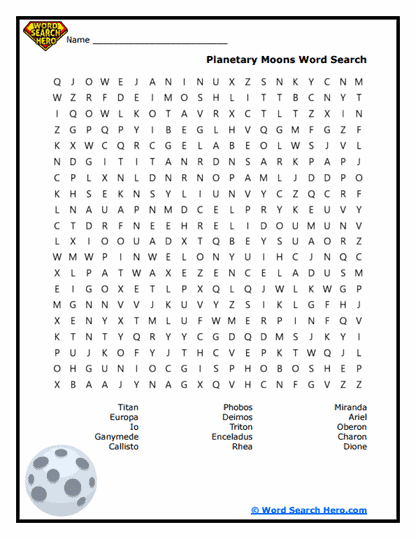
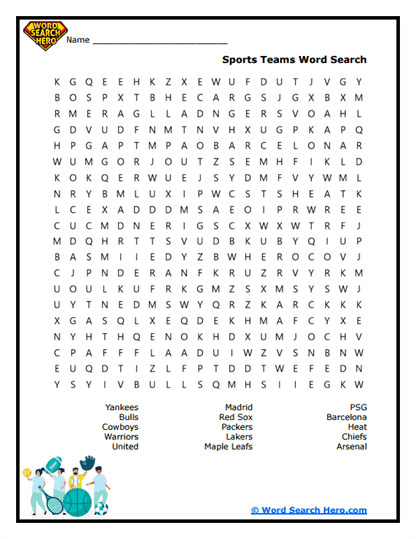
About Our Proper Nouns Word Searches
Proper nouns are the words used to name specific people, places, organizations, or things. Unlike common nouns, proper nouns are always capitalized because they refer to unique names such as Emma, Paris, Amazon, or Mount Everest. Our printable Proper Nouns Word Searches help learners become more familiar with these important grammar words while enjoying an engaging puzzle activity.
Instead of memorizing lists of names and places, students interact with the words by searching for them in a puzzle grid. This encourages careful scanning, pattern recognition, and repeated exposure to capitalization and spelling. Over time, learners become more comfortable recognizing proper nouns when they appear in reading and using them correctly in their own writing.
Teachers often use these puzzles as warm-up activities, literacy center tasks, grammar review, or quiet work for early finishers. Parents and homeschool educators also appreciate them because they are easy to print and require very little preparation. Younger learners may focus on identifying the words, while older students can expand the activity by discussing why each word is considered a proper noun.
Word searches also help strengthen focus, visual tracking, and attention to detail. By combining grammar practice with a puzzle challenge, these printables make learning about parts of speech both effective and enjoyable.
Understanding What Makes a Noun “Proper”
A proper noun names a specific person, place, organization, or title. Because these nouns refer to unique names, they are always written with a capital letter.
For example:
- The Eiffel Tower is in Paris.
- Maria visited Disneyland last summer.
- The Pacific Ocean is the largest ocean on Earth.
In each example, the capitalized words identify particular names rather than general categories.
After completing the puzzle, students can practice identifying proper nouns in sentences or short passages. Another helpful activity is to ask learners to convert common nouns into proper nouns. For instance, city could become New York, or river could become Mississippi River. This helps students understand the difference between general terms and specific names.
Recognizing these patterns helps students build stronger grammar skills and develop confidence in their writing.
Paul’s Pro-Tip
A simple trick for teaching proper nouns is the “special name rule.” If the word is the official name of something-like a person, place, brand, or holiday-it should usually start with a capital letter. Once students start looking for those special names, they begin spotting proper nouns everywhere.
Spotting Proper Nouns in Everyday Life
Proper nouns appear constantly in everyday language. People use them when talking about friends, cities, countries, brands, holidays, and famous landmarks. From reading books to browsing maps or watching sports, proper nouns help identify the specific people and places being discussed.
After completing the puzzle, students can become “name detectives.” Encourage them to look for proper nouns in books they read, signs they see, or conversations they hear. They might notice proper nouns in headlines, store names, or even the titles of movies and songs.
You can also extend the activity by asking students to write a short paragraph about a place they have visited or a person they admire, using several proper nouns from the puzzle. This helps learners connect grammar concepts with real communication.
Activities like word searches provide a relaxed introduction to grammar topics. As students become more familiar with proper nouns, they gain a stronger understanding of capitalization rules and how specific names function within sentences.
Frequently Asked Questions
What is a proper noun in simple terms?
A proper noun is the specific name of a person, place, organization, or thing, and it always begins with a capital letter.
What are some examples of proper nouns?
Examples include names like Sarah, New York, Amazon, Mount Everest, and Christmas.
What is the difference between a proper noun and a common noun?
A proper noun names a specific person, place, or thing, while a common noun refers to a general category. For example, teacher is a common noun, while Mr. Johnson is a proper noun.
Why are proper nouns capitalized?
Proper nouns are capitalized to show that they represent specific names rather than general words.
What are fun activities to help kids learn proper nouns?
Word searches, capitalization games, sentence editing exercises, and name-hunting activities in books or signs can help students learn proper nouns in an engaging way.