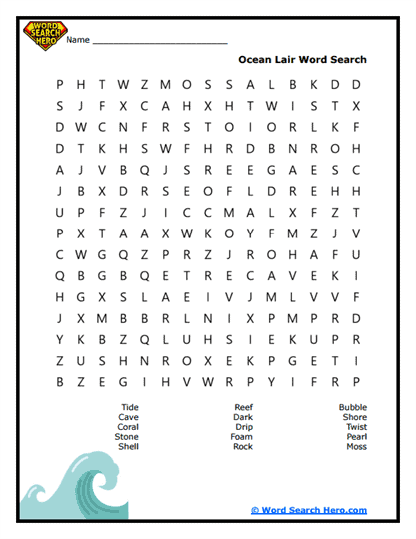
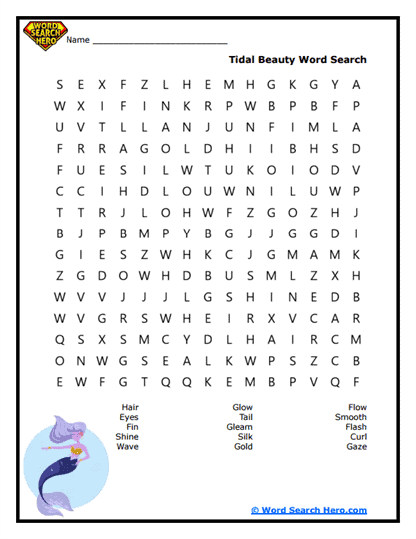
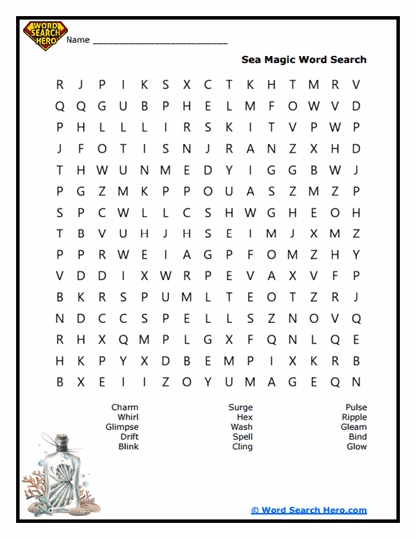
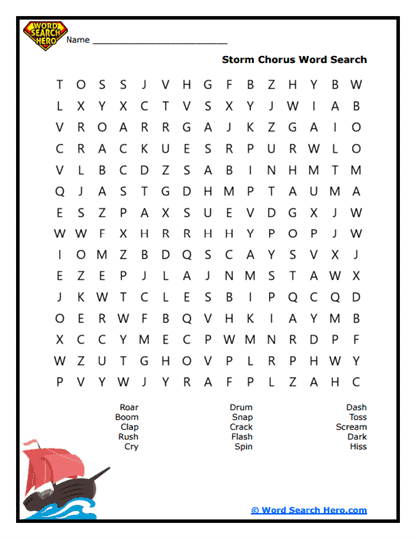
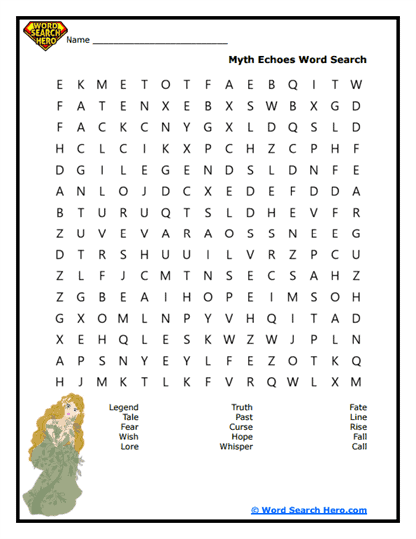
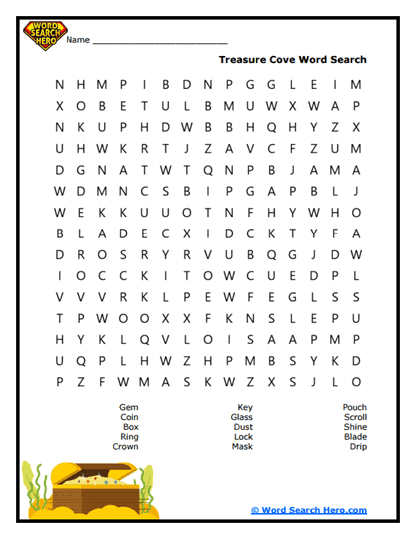
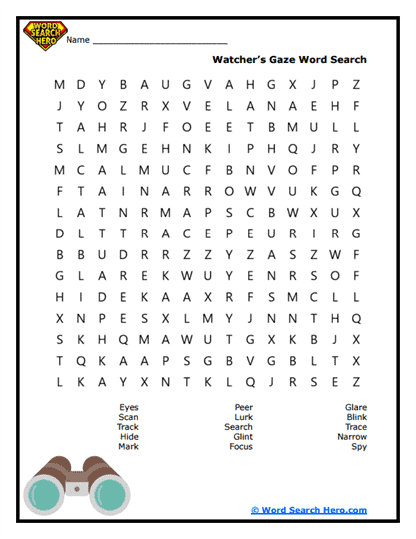
About Our Sirens of the Sea Word Searches
Our Sirens of the Sea Word Searches explore one of the most mysterious sea creatures from ancient ocean legends while helping students strengthen vocabulary and reading skills through engaging printable puzzles. Sirens appear in many maritime myths as enchanting sea beings connected to the ocean, waves, and distant islands. These puzzles combine ocean storytelling with literacy practice, allowing students to discover vocabulary tied to legendary sea creatures and marine environments.
Word searches are a valuable educational activity because they encourage students to interact directly with vocabulary. As learners scan the puzzle grid to locate hidden words, they practice recognizing spelling patterns, identifying letter combinations, and strengthening visual tracking skills. These abilities support reading fluency and help students become more confident when encountering unfamiliar words.
Teachers often use themed puzzles like these during ocean mythology lessons, creative writing units, or literacy centers. Because word searches allow students to work independently while reinforcing vocabulary, they provide a productive and focused classroom activity.
Parents and homeschool educators also appreciate how easy printable puzzles are to incorporate into learning routines. A single puzzle can introduce ocean mythology vocabulary before a reading lesson or serve as a fun learning break during the day.
The Sirens of the Sea theme naturally sparks curiosity about maritime legends and mysterious ocean environments. Words connected to waves, songs, islands, and ocean creatures help students imagine the dramatic settings found in ancient sea stories.
By blending mythology with puzzle-solving, these activities transform vocabulary practice into an imaginative journey across the open ocean.
The Legend of the Sirens
Sirens are legendary sea beings that appear in ancient stories about sailors traveling across the ocean. In many versions of these tales, sirens were said to live on rocky islands surrounded by dangerous waters. Their beautiful singing voices were believed to echo across the sea, drawing curious sailors toward the shore.
These stories often served as warnings about the dangers of the ocean. Strong waves, hidden rocks, and unpredictable weather made sea travel risky in ancient times. Legends about sirens helped explain why ships sometimes disappeared or crashed near rocky coasts.
Introducing sirens through word search puzzles helps students explore vocabulary connected to ocean myths and marine environments. Words like island, wave, reef, song, and ocean help learners picture the dramatic settings where these stories take place.
Teachers can extend the activity by asking students why people throughout history created myths about sea creatures. Before modern navigation and ocean science, the sea was mysterious and difficult to understand. Myths helped explain unusual sounds, storms, and unexplored waters.
Students might also enjoy imagining their own ocean legend. What kind of sea creature might guard a hidden island? What sounds might echo across the waves at night?
Exploring the stories of sirens helps students see how myths and ocean exploration have long been connected.
Paul’s Pro-Tip
After students finish the puzzle, try a quick ocean storytelling challenge. Ask them to pick three words from the puzzle and use them to describe a scene where sailors encounter a mysterious sea creature.
Another fun extension is to have students create their own ocean myth using several puzzle words as clues for the setting and characters.
These simple activities help kids move from finding words to using them creatively.
Why Ocean Mythology Themes Inspire Curiosity
Ocean myths are powerful learning themes because they blend mystery, adventure, and storytelling. Creatures like sirens capture students’ imagination and encourage them to think about the unknown parts of the ocean.
Word search puzzles help reinforce vocabulary through repeated exposure. As students scan the grid for hidden words, they repeatedly examine spelling patterns and letter combinations, helping strengthen word recognition.
Puzzle solving also builds concentration and attention to detail. Students must carefully examine rows, columns, and diagonals to locate words hidden in multiple directions.
The ocean setting also introduces students to vocabulary related to marine environments. Words such as wave, reef, island, and tide help learners build familiarity with language used to describe the sea.
When imagination and learning come together, students stay more engaged and remember vocabulary more easily. Myth-inspired puzzles make literacy practice feel like an ocean adventure.
Frequently Asked Questions
What are sirens in ocean mythology?
Sirens are legendary sea beings that appear in ancient stories about sailors traveling across the ocean. They are often described as mysterious creatures whose singing voices could be heard across the water near rocky islands.
What types of vocabulary appear in Sirens of the Sea word searches?
These puzzles usually include words related to ocean environments and sea legends such as ocean, wave, island, reef, tide, and song. These terms help students visualize the settings where maritime myths often take place.
How can teachers use Sirens of the Sea word searches in the classroom?
Teachers can use the puzzle as an introduction to ocean mythology or storytelling lessons. After completing the puzzle, students can discuss how ancient sailors created legends to explain the dangers and mysteries of the sea.
How can homeschool parents expand learning after the puzzle?
Parents can ask students to choose several words from the puzzle and write a short story about sailors encountering a mysterious sea creature. This encourages creativity while reinforcing the vocabulary discovered in the puzzle.
Why do mythology-themed puzzles help students remember vocabulary?
Mythology themes capture students’ attention and make vocabulary more memorable. When students connect words to imaginative stories and ocean settings, they are more likely to remember those words during reading and writing activities.