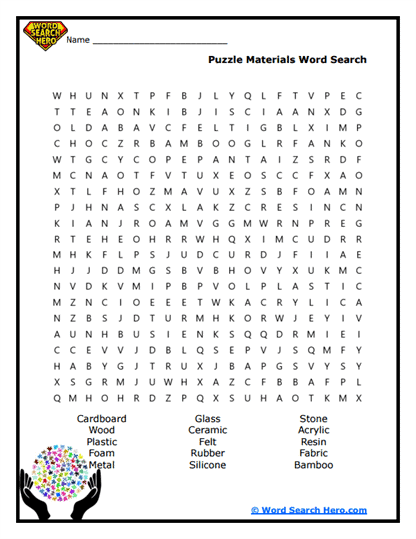
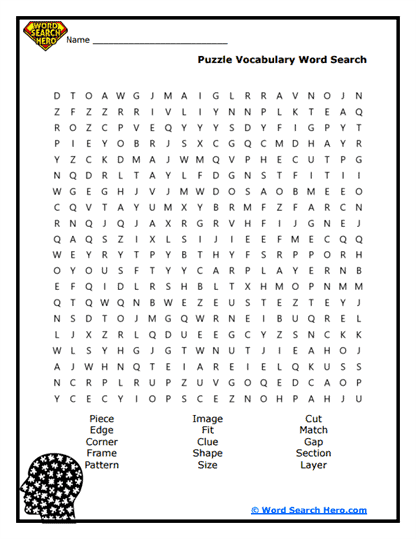
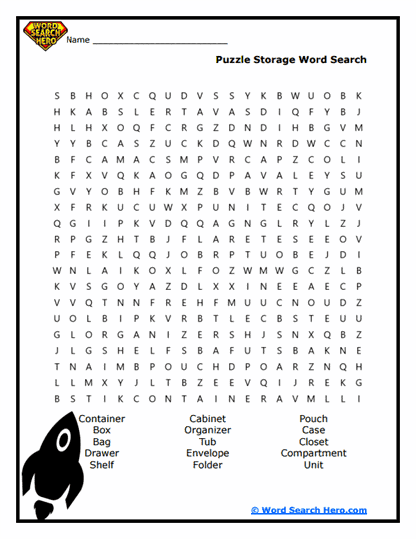
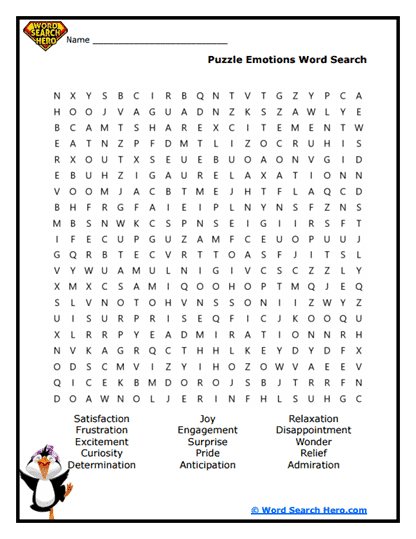
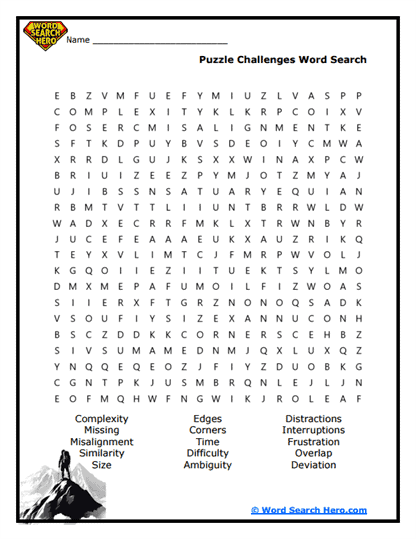
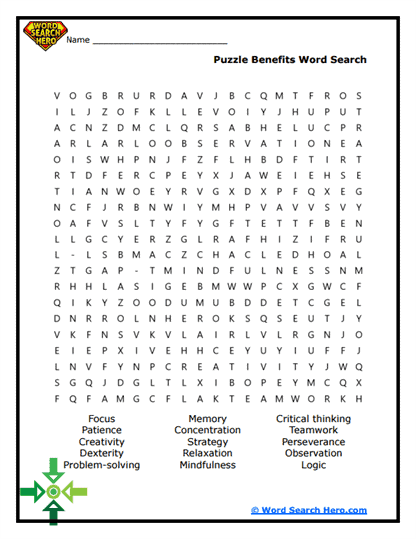
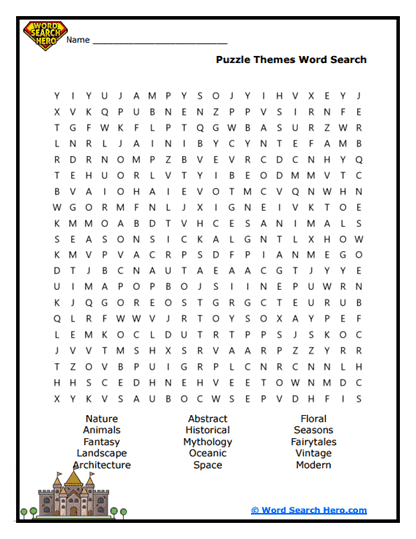
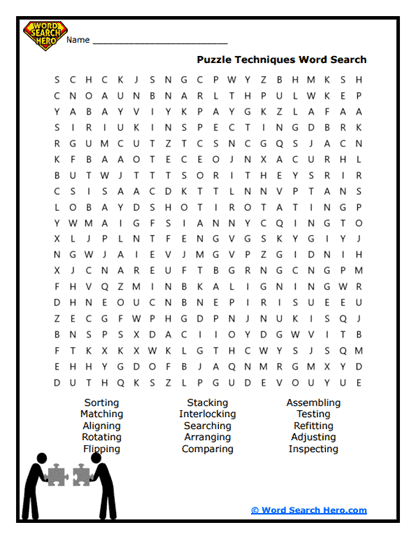
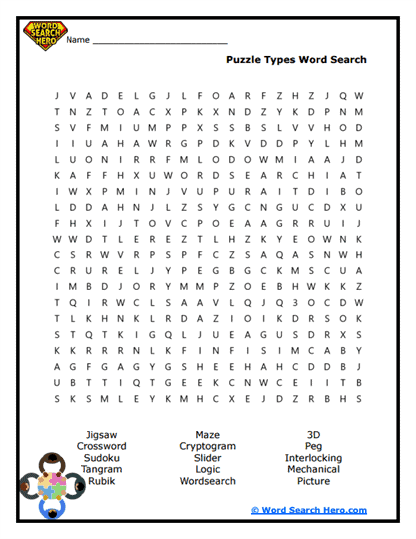
About Our Solving Puzzles Word Searches
Our Solving Puzzles Word Searches celebrate the joy of brain teasers, problem-solving, and logical thinking. These printable puzzles highlight vocabulary connected to puzzles, clues, riddles, and the many ways people challenge their minds. Teachers, parents, and homeschool educators enjoy using themed puzzles like these because they combine entertainment with valuable reading and thinking practice.
When participants search for hidden words in the puzzle grid, they strengthen important literacy skills such as spelling recognition, visual scanning, and pattern identification. Word searches require careful attention as learners scan rows, columns, and diagonals to locate each word. While the activity feels like a simple game, it quietly builds concentration, patience, and reading fluency.
The theme of solving puzzles is especially engaging because it naturally appeals to curiosity. Many learners enjoy riddles, crossword puzzles, escape room challenges, and other brain games that require careful thinking. Seeing puzzle-related vocabulary in a word search connects the activity to that same sense of discovery.
Teachers often use puzzle-themed word searches as warm-up activities, early finisher tasks, or quiet brain breaks between lessons. Parents and homeschool families also appreciate how easy they are to print and use during independent learning time or family game nights.
By combining puzzle vocabulary with an engaging search challenge, these word searches encourage learners to think carefully, stay focused, and enjoy the satisfaction that comes from solving a challenge.
Why Puzzle Solving Strengthens the Brain
Puzzle-solving activities are well known for helping develop strong thinking skills. When learners work through puzzles, they practice observation, logic, and persistence. Even a simple word search encourages the brain to look for patterns and connections between letters.
Words commonly associated with puzzles include clue, mystery, riddle, challenge, logic, and solution. As participants search for these words within the puzzle grid, they reinforce spelling patterns and become more familiar with vocabulary connected to problem-solving activities.
Teachers often connect puzzle-themed activities with lessons about critical thinking. Solving puzzles requires patience and strategy, two skills that are helpful in many academic subjects. Students must look closely at details, test different possibilities, and keep trying until they find the correct answer.
Another advantage of puzzle-themed learning is that it builds confidence. When learners finally discover a hidden word or solve a tricky challenge, they experience a small moment of success. Those moments encourage students to keep exploring and trying new challenges.
By exploring puzzle-related vocabulary through word searches, learners strengthen both language skills and problem-solving habits that can benefit them across many areas of learning.
Paul’s Pro-Tip
Puzzle-themed word searches are perfect for building a little friendly competition. I like to tell students they’re “detectives” searching for hidden clues in the grid.
Give them a few minutes to find as many words as they can, then pause and let them compare strategies. Some scan line by line, while others hunt for unusual letter combinations. It’s amazing how quickly students start sharing techniques for spotting the tricky words.
Turning Puzzle Word Searches Into Brain Challenges
Puzzle-themed word searches can easily become the starting point for deeper thinking activities. After students complete the puzzle, teachers can invite them to create their own mini puzzle using some of the words they discovered.
For example, students might write a short riddle that includes one of the puzzle words as the answer. Another learner might design a small mystery scenario where classmates must guess a hidden word using clues. These activities strengthen creativity while reinforcing vocabulary.
Another engaging extension is a strategy discussion challenge. Students explain how they searched the puzzle grid and what methods helped them find difficult words. Some may scan horizontally first, while others look for unique letter patterns.
Families can also turn puzzle time into a game night activity. After completing the word search, children might challenge siblings or parents to additional puzzles, riddles, or brain teasers. This keeps the spirit of puzzle solving alive while encouraging teamwork and fun.
By connecting word searches with creative problem-solving challenges, educators and families help learners build curiosity, patience, and confidence while enjoying the thrill of discovery.
Frequently Asked Questions
How can teachers use puzzle-solving word searches in the classroom?
Teachers often use these puzzles as warm-up activities, early finisher tasks, or quiet brain breaks between lessons. Because the theme focuses on problem-solving, the puzzles also provide a natural opportunity to discuss critical thinking strategies and puzzle-solving techniques.
Are puzzle-themed word searches helpful for homeschool learning?
Yes, they work very well in homeschool environments because they combine vocabulary practice with logical thinking. Parents can print a puzzle for independent learning and then extend the activity with riddles, logic puzzles, or other brain challenges.
Do word searches help develop problem-solving skills?
Word searches encourage careful observation, patience, and pattern recognition. As learners search for hidden words in the grid, they practice the same types of thinking skills used when solving many other types of puzzles.
What age groups enjoy puzzle-solving word searches the most?
Elementary and middle school students often enjoy puzzle-themed word searches because the activity feels like a game while still offering a challenge. However, older students and adults can also enjoy them as relaxing brain exercises that strengthen concentration.
Can these puzzles encourage interest in other brain games?
Absolutely. When learners explore vocabulary related to puzzles and challenges, it often sparks curiosity about other brain games like riddles, crosswords, and logic puzzles. The word search can become a starting point for exploring many different kinds of problem-solving activities.