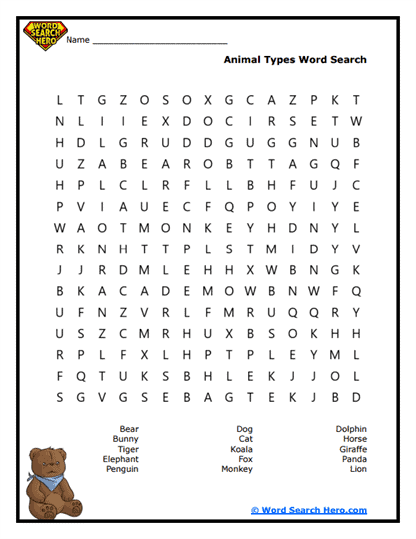
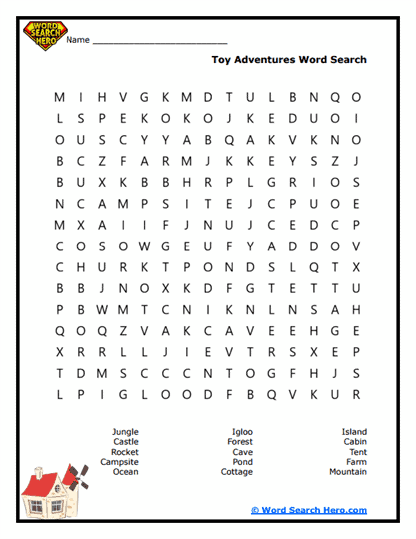
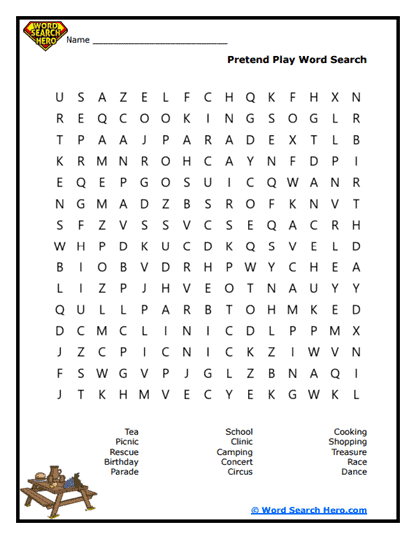
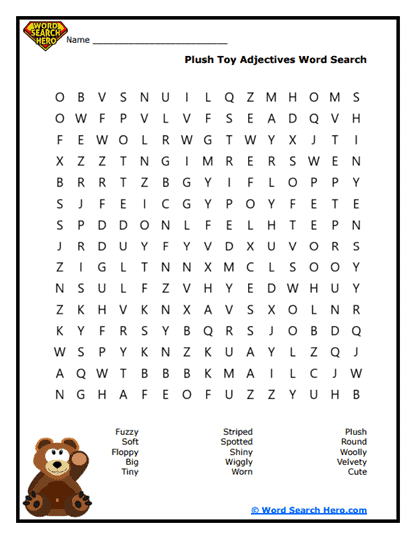
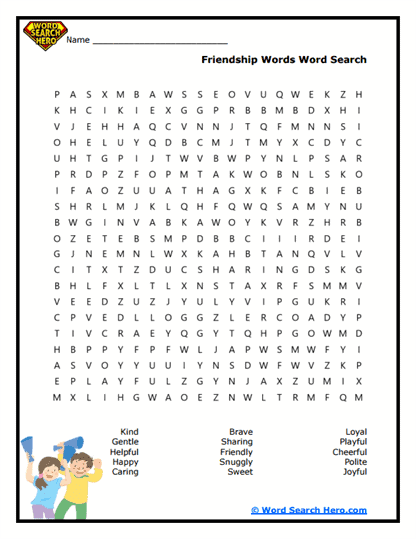
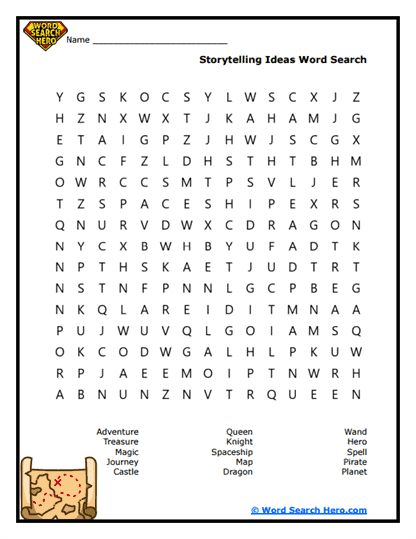
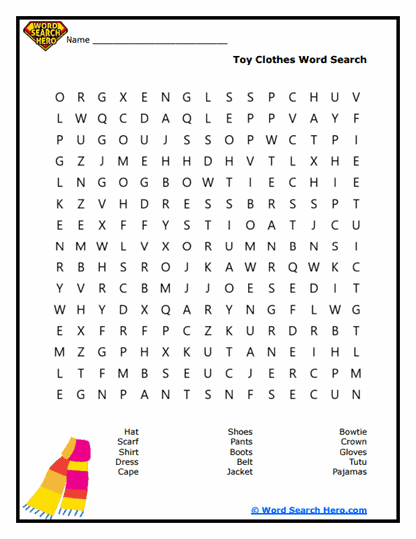
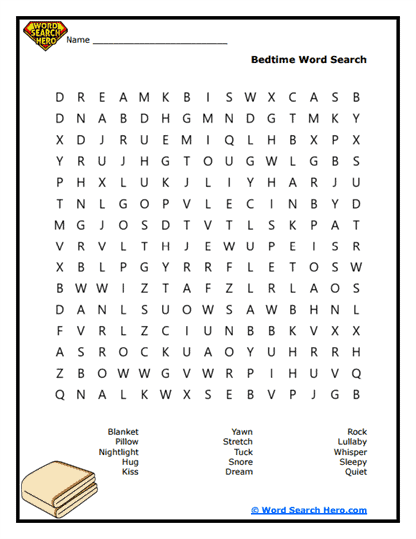
About Our Stuffed Animals Word Searches
Stuffed Animals word searches introduce students to vocabulary connected with one of the most beloved childhood toys. These printable puzzles help learners become familiar with words related to plush toys, imaginative play, and comforting companions. Because stuffed animals are familiar to many children, the vocabulary used in these puzzles is easy to recognize and engaging to explore.
Students exploring this theme may encounter words such as teddy, bear, plush, soft, hug, toy, and cuddle. These words frequently appear in early reading materials and everyday conversations about toys and playtime. A word search provides a fun and interactive way to reinforce this vocabulary while strengthening spelling recognition, reading confidence, and observation skills.
Because the activity feels like a puzzle rather than a traditional worksheet, it can make literacy practice more enjoyable. Teachers often use these printables during learning centers, quiet time, indoor recess, or early finisher activities. Parents and homeschool educators can also include them in lessons as a screen-free activity that supports vocabulary development and concentration.
As students search the puzzle grid for hidden words, they strengthen visual scanning, attention to detail, and pattern recognition skills. These abilities support early literacy development while keeping the activity playful and relaxing.
Why Stuffed Animals Are Important in Childhood
Stuffed animals are often among the first toys children form emotional connections with. These soft toys can provide comfort, companionship, and a sense of security, especially for younger children.
Children frequently include stuffed animals in imaginative play. A plush bear might become a patient at a pretend doctor’s office, a passenger on a toy train, or a character in a bedtime story. This type of pretend play helps strengthen creativity and storytelling skills.
Stuffed animals can also support social and emotional learning. Children sometimes use their plush toys to practice caring behaviors, such as feeding, comforting, or helping a toy “feel better.” These experiences can help children develop empathy and nurturing skills.
Learning vocabulary connected to stuffed animals helps students describe toys, tell stories about their characters, and share imaginative ideas with others.
Word searches reinforce this learning by giving students repeated exposure to familiar toy-related vocabulary in a fun puzzle format.
Paul’s Pro-Tip
A great extension activity is a stuffed animal storytelling circle. After students complete the word search, invite them to bring a stuffed animal from home or choose one from the classroom.
Each student can introduce their stuffed animal and tell a short story about its adventures, personality, or favorite activities. Encourage students to include words they found in the puzzle while telling their story.
This activity strengthens vocabulary, speaking confidence, and creativity while making the learning experience more personal and memorable.
Supporting Imagination Through Play
Imaginative play is an important part of childhood development. Toys like stuffed animals allow children to explore ideas, create stories, and express emotions in a safe and creative way.
Vocabulary related to toys and play often appears in early reading books, classroom discussions, and storytelling activities. Helping students recognize these words supports both literacy development and communication skills.
A word search can serve as a calm classroom activity before or after free play or reading time. After completing the puzzle, educators can encourage students to draw their favorite stuffed animal or invent a character inspired by the words they discovered.
When students become familiar with vocabulary related to stuffed animals, they gain the language skills needed to describe toys, share stories, and participate confidently in imaginative play.
Frequently Asked Questions
What are Stuffed Animals word searches?
They are puzzles that feature vocabulary related to plush toys, teddy bears, and imaginative play with stuffed animals.
Why do many children enjoy stuffed animals?
Stuffed animals provide comfort, companionship, and opportunities for creative storytelling during play.
How do stuffed animals support learning?
They encourage imaginative play, storytelling, emotional expression, and communication skills.
Are these puzzles good for early readers?
Yes. The vocabulary is usually simple and connected to toys children already know.
What classroom activity pairs well with this puzzle?
Students can introduce a stuffed animal and create a short story about it, using words from the puzzle to describe their character.