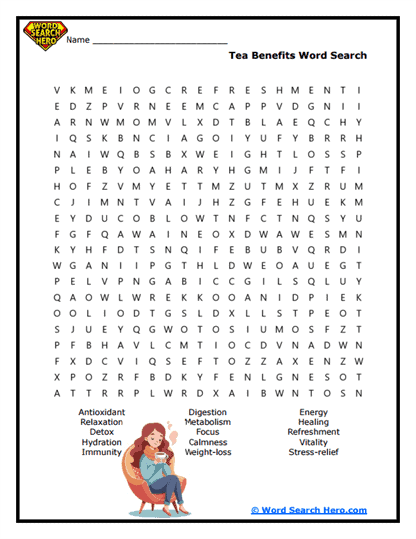
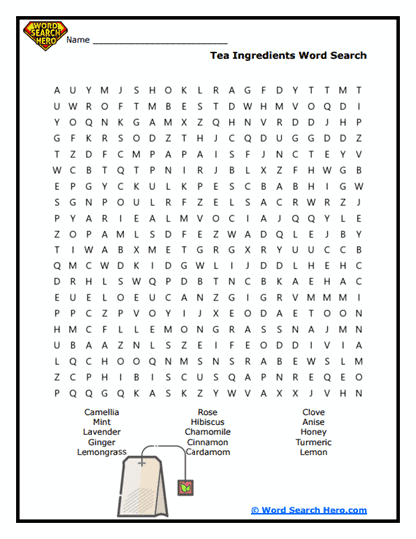
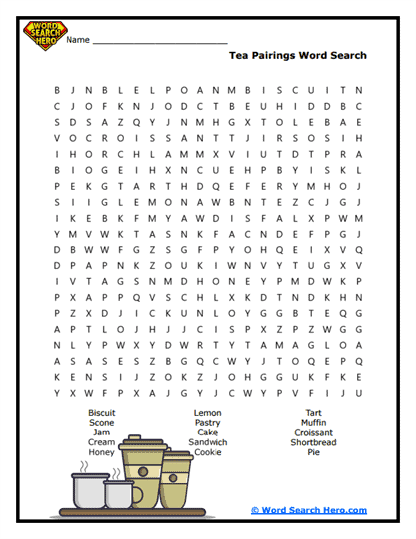
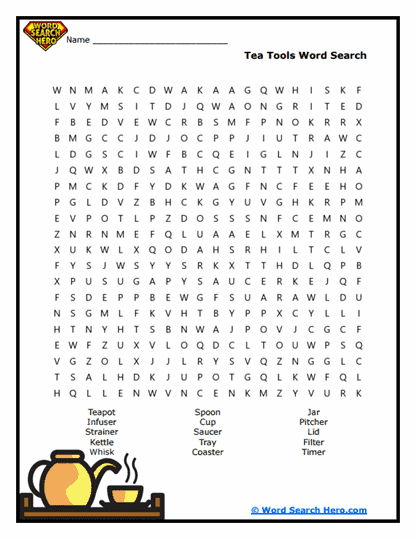
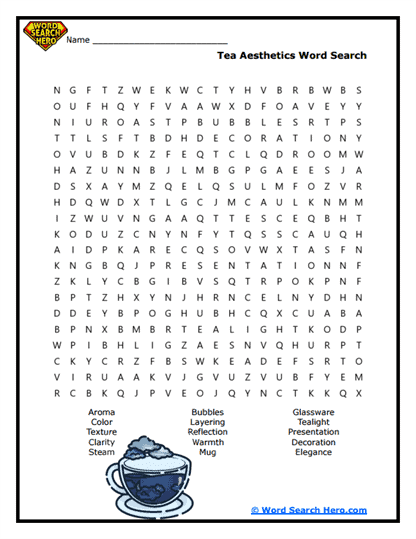
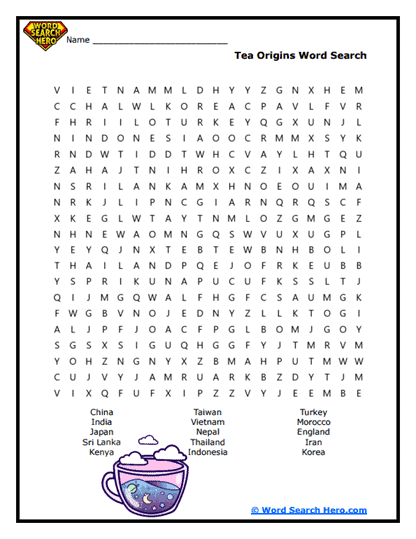
About Our Tea Word Searches
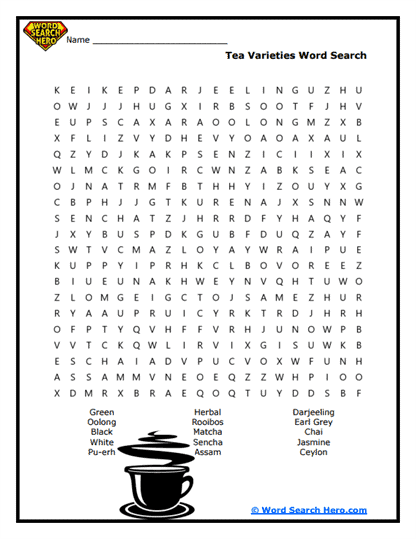
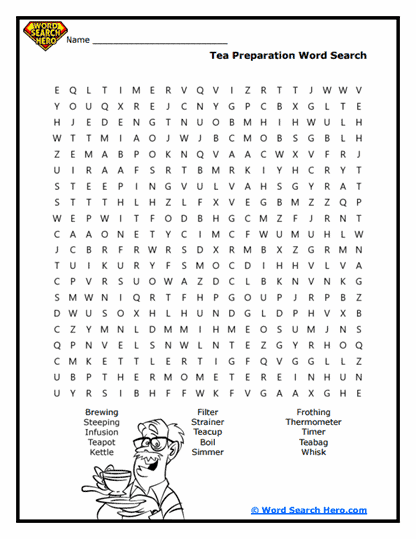
Tea is one of the most widely enjoyed drinks in the world, known for its calming qualities, rich traditions, and incredible variety. Our Tea Word Searches collection captures that peaceful, thoughtful experience in a fun and engaging puzzle format. From classic varieties like green tea and black tea to herbal blends, ingredients, and brewing terms, these puzzles are filled with words that feel both soothing and interesting.
Because tea is enjoyed across many cultures and age groups, this theme works especially well for a broad audience. Younger learners may recognize simple words like “tea,” “cup,” or “honey,” while older students and adults can explore more detailed vocabulary like “steep,” “infusion,” or “chamomile.” The result is a flexible activity that feels relaxed but still meaningful.
These printables are perfect for classrooms, homeschool environments, or quiet moments at home. They can be used as calm-down activities, literacy centers, or part of themed lessons about culture, health, or daily routines. The gentle nature of the tea theme makes these puzzles especially appealing when you want something low-pressure but still engaging.
Steeped in Learning Opportunities
Tea word searches offer more than just a quiet activity-they introduce a rich world of vocabulary connected to real-life experiences. Learners encounter words related to types of tea (green, black, herbal), flavors (mint, lemon, ginger), and preparation (brew, steep, kettle). This helps build language skills while also expanding knowledge about everyday items.
This theme also connects naturally to other subjects. In geography, students can explore where tea is grown, such as China, India, or Japan. In science, they can discuss how hot water extracts flavor during steeping. In health lessons, tea can lead to conversations about hydration, relaxation, and natural ingredients.
In group settings, tea word searches can spark thoughtful conversations. Learners might share whether they prefer hot or iced tea, talk about flavors they’ve tried, or discuss cultural traditions like afternoon tea. These discussions help build communication skills in a relaxed and approachable way.
Paul’s Pro-Tip

Turn your tea word search into a “tea tasting menu.” After finishing the puzzle, have learners choose a few words and create their own tea blend-like lemon-ginger or mint-honey-and describe how it would taste.
If someone gets stuck, suggest looking for shorter, common words like “tea,” “cup,” or “leaf” first. Finding these quickly can build confidence and make the rest of the puzzle easier to tackle.
A Calm and Cozy Learning Experience
Tea-themed puzzles naturally create a peaceful atmosphere. The vocabulary itself-words like “warm,” “steep,” and “herbal”-encourages a slower, more thoughtful pace. This makes them ideal for quiet time, mindfulness moments, or winding down at the end of a lesson.
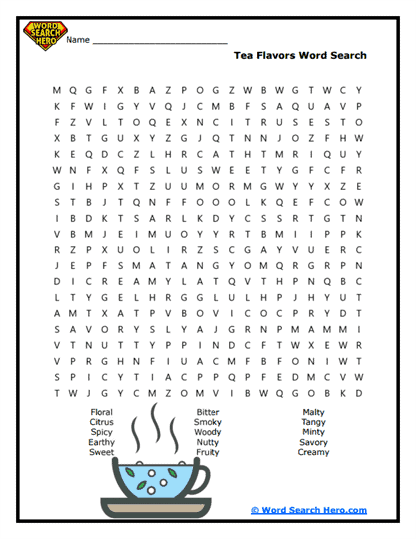
They also encourage descriptive language. Learners may begin to talk about flavors (floral, earthy, sweet), temperatures (hot, iced), and experiences (relaxing, refreshing). This kind of vocabulary building is especially valuable for developing communication skills in a natural way.
At home, these puzzles can become part of a cozy routine. Whether it’s a quiet afternoon activity or something to pair with a warm drink, tea word searches offer a simple way to combine relaxation and learning.
Frequently Asked Questions
What types of words are included in tea word search puzzles?
Tea word searches typically include a mix of tea varieties (green, black, oolong, herbal), ingredients (mint, lemon, honey, ginger), and preparation terms (steep, brew, kettle, cup). Some puzzles may also include cultural or regional references, giving a broader view of how tea is enjoyed around the world.
Are tea word searches suitable for children?
Yes, they can be adapted for different age groups. Simpler puzzles with basic words work well for younger learners, while more advanced puzzles introduce specific tea types and preparation vocabulary that are better suited for older students or adults.
Can tea word searches be used for educational purposes?
Absolutely. They support vocabulary development, spelling, and reading skills. They can also connect to lessons in geography, science, and health, making them a versatile and low-prep educational tool.
How are tea word searches different from other drink-themed puzzles?
Tea word searches focus on a single type of beverage, allowing for deeper exploration of related vocabulary. They often include more cultural and process-based terms, such as steeping and infusion, which makes them feel a bit more detailed and educational.
Can tea word searches be part of cultural or geography lessons?
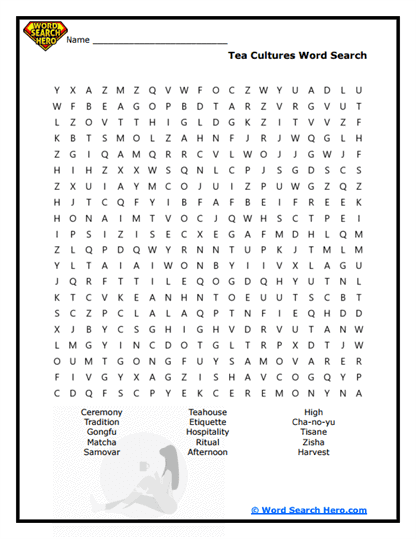
Yes, very easily. Tea has a rich global history, so these puzzles can lead into discussions about countries where tea is grown and traditions like British afternoon tea or Japanese tea ceremonies.
Why do people enjoy tea-themed word searches?
The theme feels calm, cozy, and familiar. Many people associate tea with relaxation, so the puzzle experience feels soothing while still being mentally engaging.
Can I use tea word searches during quiet or relaxation time?
They are perfect for that purpose. The theme and activity both encourage focus and calmness, making them ideal for independent work, mindfulness time, or winding down after a busy lesson.
How can I extend a tea word search activity?
After completing the puzzle, learners can create their own tea blends, describe flavors, research different tea traditions, or even try a simple tea-making activity. These extensions help turn a basic puzzle into a richer learning experience.