Choose a topic !

The American Frontier and Wild West Word Searches

Pioneer Life Word Search

Pioneer Life

The “Pioneer Life Word Search” introduces students to vocabulary related to the daily lives of early American settlers. It includes household items, chores, and essential elements of pioneer life such as “log cabin,” “firewood,” “butter churn,” and “homestead.” These words paint a picture of a rugged and self-reliant lifestyle, where survival often depended on manual […]

View More
Cowboy Craze Word Search

Cowboy Craze

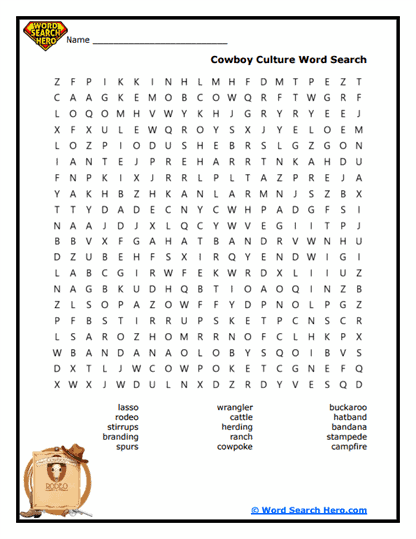
The “Cowboy Culture Word Search” explores vocabulary tied to the legendary cowboy lifestyle of the American West. Words like “wrangler,” “ranch,” “spurs,” and “stampede” reflect the cowboy’s duties, attire, and environment. This theme introduces students to ranch life, the rodeo circuit, and the tools and clothing that defined the cowboy era. Students learn about the […]

View More
Gold Rush Word Search

Gold Rush

The “Gold Rush Word Search” immerses students in the excitement and hardship of the 19th-century gold rush. Vocabulary includes terms such as “prospector,” “nugget,” “mine shaft,” and “goldfield.” These words relate to the tools, processes, and places associated with gold mining and exploration. Students get a glimpse of how the promise of wealth drove people […]

View More
Native Nations Word Search

Native Nations

The “Native Nations” focuses on vocabulary associated with Indigenous cultures of North America. Words like “wigwam,” “buffalo,” “feather,” and “powwow” reflect traditions, housing, animals, and ceremonies. This word list captures aspects of native governance, spirituality, and social organization. Students are introduced to both tangible items and abstract cultural concepts, helping them better understand and appreciate […]

View More
Trail Towns Word Search

Trail Towns

The “Trail Towns Word Search” highlights the vocabulary from rowdy, lawless frontier towns of the Wild West. Students encounter terms such as “saloon,” “marshal,” “gunfight,” and “outlaw,” all of which represent life in towns that sprouted along westward trails. These words conjure images of dusty main streets, law enforcement, gambling, and the justice system of […]

View More
Wagon Wayfare Word Search

Wagon Wayfare

“Wagon Wayfare Word Search” revolves around the vocabulary of westward expansion by wagon. Students find words like “canvas,” “oxen,” “trailhead,” and “supplies,” which describe the materials, animals, and people essential for wagon travel. These terms reflect movement, leadership, and the challenges of long-distance travel during the westward migration. This search gives a strong sense of […]

View More
Railroad Rush Word Search

Railroad Rush

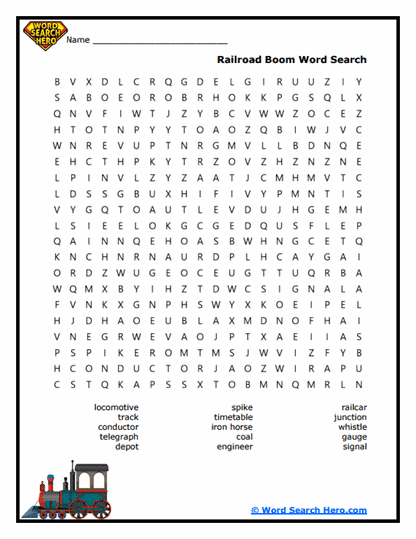
The “Railroad Boom Word Search” focuses on the railway expansion that transformed America. Words like “locomotive,” “conductor,” “telegraph,” and “junction” teach students about rail systems and communication technologies. The list reflects the infrastructure, jobs, and inventions associated with 19th-century train travel. Through this vocabulary, students glimpse how railroads connected coasts, transported goods, and changed migration […]

View More
Buffalo Quest Word Search

Buffalo Quest

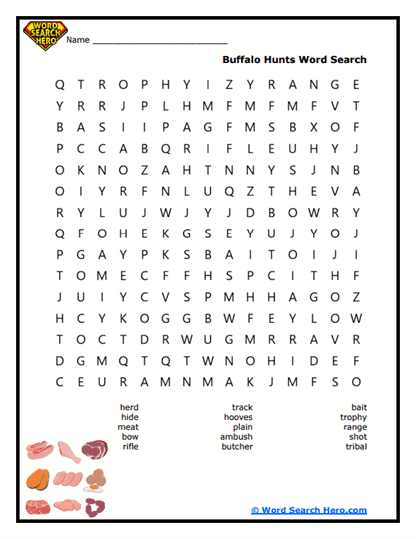
“Buffalo Hunts Word Search” takes students into the world of buffalo hunting, once central to Plains tribes and settlers alike. Vocabulary like “herd,” “rifle,” “hide,” and “ambush” illustrates the tools and strategies used in the hunt. This theme uncovers both the survival aspects and the impact of overhunting. Students learn about how buffalo provided food, […]

View More
Frontier Females Word Search

Frontier Females

“Women Westward Word Search” celebrates the roles and contributions of women during westward expansion. Words like “seamstress,” “bonnet,” “schoolhouse,” and “quilting” highlight domestic life, education, and caregiving roles. These terms reflect how women sustained families and communities under harsh conditions. The puzzle helps students recognize the important, often overlooked, work of women on the frontier. […]

View More
Outlaw Outburst Word Search

Outlaw Outburst

“Outlaw Legends Word Search” dives into the rebellious and often lawless figures of the Old West. Vocabulary includes terms like “bandit,” “robbery,” “wanted,” and “revolver,” all of which tell the story of frontier crime and justice. Students explore the myths and realities of Wild West outlaws and those who pursued them. These dramatic words make […]

View More

About Our American Frontier and Wild West Word Searches

Welcome to a word-hunting adventure that’s as rugged as a log cabin and twice as enlightening. This printable word search collection dives headfirst into the dust-kicking, gold-digging, wagon-rattling world of The American Frontier and Wild West-a time when every day was a survival story, and your vocabulary had better include “powwow,” “homestead,” and “marshal” if you wanted to keep up. Designed to educate as much as it entertains, this set captures the bold spirit of expansion with just the right dose of humor and historical homage. Whether you’re a teacher wrangling a classroom of curious cowpokes or a puzzle-lover with a taste for trail dust, there’s something here to make your brain boot-scoot with joy.

Each word search is more than a game-it’s a mini museum of terms and themes, carefully curated to evoke the grit, grace, and glory of westward migration. But we didn’t just slap “cowboy” on a page and call it a day. Nope. This collection digs deep into the cultural, economic, and everyday realities of 19th-century life, from the golden dreams of prospectors to the unsung contributions of frontier women. And we do it with words-delightful, occasionally dusty, always educational words. Because language is the gateway to understanding, and what better way to teach history than by turning it into a letter-hunting expedition?

At its core, this isn’t just a stack of worksheets-it’s a love letter to literacy, a tribute to teaching, and a high-five to historical curiosity. Each puzzle is hand-crafted (figuratively, though we’d love to say we churned the butter ourselves) to combine spelling, pattern recognition, and content comprehension. And it’s all topped off with just the right hint of “Wait, people really lived like that?” So pull up a stool at the saloon-or your classroom chair-and prepare for a rootin’ tootin’ good time on the trail of American history.

Exploring The Worksheets

We begin our journey with the essentials of survival in Pioneer Life. These humble heroes of the homestead weren’t just settlers-they were do-it-yourself dynamos. From “butter churn” to “washboard,” these are the words that defined the grit and grind of daily frontier living. The “Pioneer Life Word Search” is your student’s time machine to a world before running water and Grubhub, where every tool, task, and tub of cornbread mattered. And honestly, if your spelling list includes “sodbuster,” you’re halfway to honorary pioneer status.

From there, we hitch our wagons (literally) with Wagon Wayfare, a tribute to the long-haul travelers of the Oregon Trail and beyond. This one’s got all the fixings: “oxen,” “trailhead,” and even the noble “yoke” (no, not the egg kind). It’s a rolling lexicon of resilience that invites students to imagine life bumping along rutted prairies, dodging dysentery, and somehow still remembering to pack enough “grit” to survive. Pair that with the thunderous rise of Railroad Rush, and you’ve got two halves of one epic transportation tale. The words “telegraph,” “engineer,” and “iron horse” may sound steampunk now, but once upon a time, they were the cutting edge of cross-country ambition. These two searches show how people moved and how the world moved with them.

Of course, what’s the West without its flair for the dramatic? Trail Towns and Outlaw Outburst deliver the six-shootin’ showdown of vocabulary excellence. Words like “saloon,” “gallows,” “heist,” and “wanted” tell the stories of towns where the whiskey was strong, the law was loose, and the poker hands were deadly serious. While “Trail Towns” gives us a taste of the dusty main streets and marshal-enforced order, “Outlaw Outburst” flips the coin to show what happened when the rules were more suggestion than mandate. Students get to explore the thrilling tension of justice versus banditry-without the actual risk of getting caught in a crossfire.

Meanwhile, Cowboy Craze and Buffalo Quest saddle up the cultural side of things. Cowboys may have worn bandanas and wrangled cattle, but their legacy goes far beyond rodeos and spurs. This word search celebrates that wild, independent spirit while still wrangling language skills left and right. And then there’s the mighty buffalo-both sacred and sought-after. Buffalo Quest highlights the importance of this massive beast to the Plains tribes and the settlers who (somewhat less responsibly) pursued them. From “herd” to “ambush,” it’s a sobering look at ecological impact wrapped in historical vocabulary.

We tip our bonnets to two standout categories. Native Nations brings respectful exploration of Indigenous life, traditions, and leadership into the spotlight with words like “powwow,” “wigwam,” and “clan.” It’s an important reminder that the story of the West was already centuries old when settlers arrived. And let’s not forget Frontier Females-a heartfelt homage to the women whose hands rocked the cradle and churned the butter. These often-overlooked heroines get their due here, with terms like “schoolhouse,” “seamstress,” and “diary” painting a picture of life, loss, and lace. If anyone ever tells you the Wild West was a man’s world, just point them to “needle,” “bucket,” and “grit”-and then hand them this word search.

What Was the American Frontier and the Wild West?

To the uninitiated, the American Frontier might sound like something out of a spaghetti western or a video game map. But in truth, it was one of the most formative and ferociously fascinating eras in U.S. history. Spanning roughly from the early 1800s to the closing of the frontier around 1890, this was a time when land was promise, wagons were WiFi, and survival meant a whole lot more than knowing your Starbucks order. Stretching from the Appalachian Mountains to the Pacific Coast, the frontier was less a place than a moving target-an idea of freedom, ownership, and new beginnings.

The westward expansion was driven by equal parts desperation and determination. Some settlers chased religious liberty, others chased gold, and some-bless them-chased absolutely nothing but the dream of land, liberty, and maybe a less crowded neighborhood. The federal government offered land incentives, the railroads connected regions, and Manifest Destiny provided the philosophical fuel. It was a place of contradictions-freedom and violence, innovation and exploitation. And at the center of it all were the people: the cowboys, the Indigenous nations, the prospectors, the railroad workers, the women, and yes, even the outlaws.

Among the defining features of this era were the trail towns and boomtowns that popped up like mushrooms after a rainstorm. One day it’s prairie, the next it’s Poker Night at the saloon. With little more than a general store and a gallows, these towns hosted marshals, misfits, and anyone trying to dodge a past or forge a future. Over time, lawmen like Wyatt Earp and infamous rogues like Jesse James became as legendary as the towns themselves. Meanwhile, the Industrial Age crashed the party with its trains, telegraphs, and time tables, all redefining what it meant to be “out West.”

Yet not everyone arrived with a rifle and a dream. Native Nations had lived on these lands for centuries, cultivating communities, traditions, and alliances far more nuanced than most textbooks allow. Westward migration brought profound disruption to these societies. Treaties were made, broken, and rewritten; lands were seized; cultures were challenged. But despite this, Indigenous history remains an enduring and vital part of the Western story-deserving of both reverence and recognition.

The American Frontier was many things: an adventure, a tragedy, a land grab, and a social experiment rolled into one. Its legacy is woven into the modern American psyche-from cowboy movies to democratic ideals. And by exploring its vocabulary, students aren’t just learning words-they’re peeking into the people, places, and paradoxes that shaped a nation.