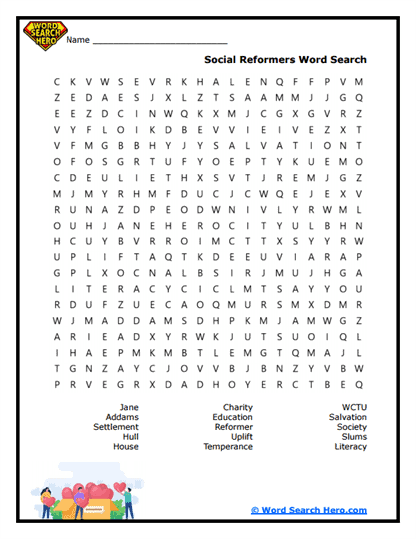
About Our Gilded Age Word Searches
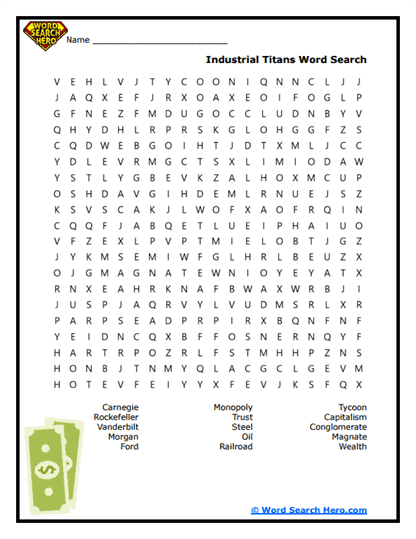
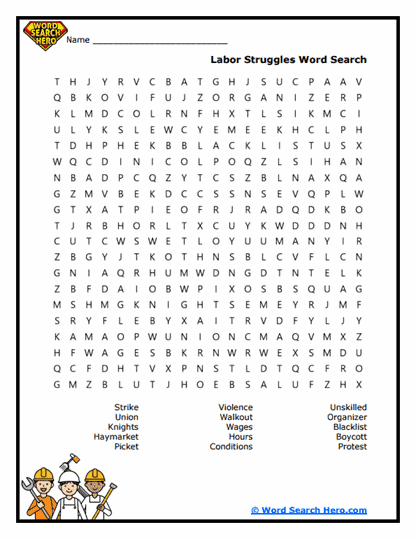
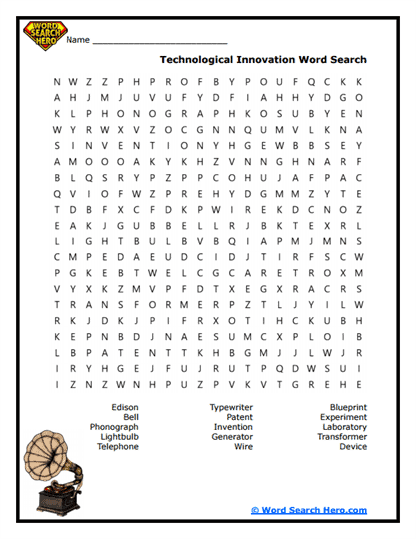
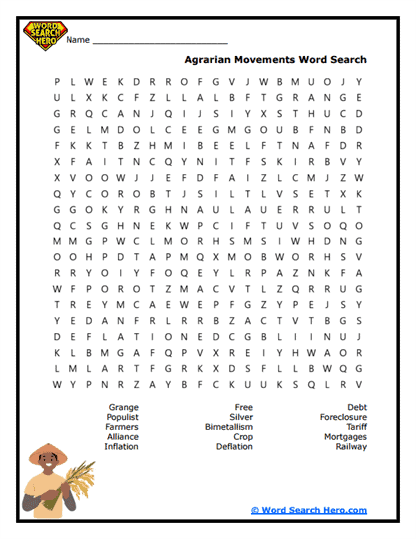
The Gilded Age was a period in United States history during the late 1800s marked by rapid industrial growth, expanding cities, and major economic changes. During this time, new industries, railroads, and businesses helped transform the nation, while social and political challenges also emerged. Our Gilded Age Word Searches help students explore vocabulary connected to this important historical era while strengthening reading and recognition skills.
These printable puzzles introduce learners to key historical terms such as industry, railroad, factory, labor, and wealth. Instead of simply reading about these topics in textbooks, students actively search for the words hidden inside puzzle grids. This hands-on activity reinforces important social studies vocabulary while making lessons more engaging.
Teachers often use these puzzles during units on industrialization, economic growth, or late nineteenth-century American history. They work well as classroom warm-ups, literacy center activities, review exercises, or early finisher tasks. Because they are easy to print and simple for students to complete independently, they fit smoothly into many classroom routines.
Parents and homeschool educators also appreciate how word searches make complex historical topics easier for students to approach. Puzzles can spark curiosity about how new industries and technologies changed American life during this period.
Another benefit is the development of concentration and visual scanning skills. As students search rows, columns, and diagonals to locate words, they strengthen focus while becoming more familiar with vocabulary connected to economic growth and social change.
Our Gilded Age Word Searches turn key historical terms into an engaging puzzle activity that encourages learners to explore the dramatic changes that shaped the United States during the late nineteenth century.
Exploring the Gilded Age
The Gilded Age was a time when new technologies, factories, and railroads helped expand the American economy. Large businesses and powerful industrial leaders played major roles in shaping the country’s growth.
Word search puzzles help students become familiar with vocabulary connected to this historical era. As learners search for words like industry, railroad, labor, factory, and wealth, they begin recognizing terms that frequently appear in lessons about the Gilded Age.
Teachers can extend the puzzle activity by connecting vocabulary words to major economic developments. For example, the word railroad may lead to discussions about how rail networks helped connect cities and expand trade across the country.
Another engaging activity is to group puzzle words into categories such as industry, transportation, business leadership, or working conditions. Sorting vocabulary this way helps students understand the different forces shaping the Gilded Age.
Students can also choose several puzzle words and write short explanations about them. For example, they might describe how factories changed the way goods were produced or explain how railroads connected different parts of the country.
Through puzzles and discussion, learners begin to see how industrial growth and economic expansion reshaped American society.
Paul’s Pro-Tip
After students complete a Gilded Age word search, ask them to choose one word that seems most connected to economic growth.
Maybe it’s industry, railroad, or factory. Ask learners what they think that word tells us about how the United States changed during the late 1800s.
For example, the word railroad can lead to conversations about how transportation networks helped move goods and people across the country.
Sometimes one vocabulary word from the puzzle can help students better understand how technology and business transformed the nation.
Understanding the Importance of the Gilded Age
The Gilded Age played a major role in shaping the modern United States. During this time, the country experienced major industrial expansion, rapid urban growth, and new economic opportunities.
Word search puzzles help introduce vocabulary connected to these historical developments. Words such as industry, labor, factory, and railroad highlight the themes often discussed when studying the Gilded Age.
Teachers can use the puzzle as a starting point for discussions about how economic growth can bring both opportunities and challenges for society.
Reading assignments also benefit from this vocabulary exposure. When students recognize words like industry or labor in a passage, they often understand the historical context more easily.
Families can extend learning at home by discussing how inventions, transportation, and industry helped transform everyday life during this period.
Word search puzzles provide a simple introduction to vocabulary connected to the Gilded Age, but they often inspire deeper curiosity about how industrialization helped shape the United States.
Frequently Asked Questions
What types of words appear in Gilded Age word search puzzles?
These puzzles often include vocabulary such as industry, railroad, factory, labor, wealth, and business, which relate to the Gilded Age.
Are Gilded Age word searches useful during industrialization lessons?
Yes. Teachers often use them as vocabulary warm-ups, review activities, or literacy center tasks during units on industrialization and late nineteenth-century American history.
Do these puzzles include topics like railroads and factories?
Many puzzles include words related to industry, transportation, economic growth, and the expansion of American cities.
Can these puzzles help students remember industrialization vocabulary?
Repeated exposure to key terms helps students recognize and recall vocabulary commonly used when studying the Gilded Age and industrial growth.
What is a good follow-up activity after completing the puzzle?
Students can choose one word from the puzzle and research a quick fact about it, such as how railroads expanded across the country or how factories changed the way goods were produced during the Gilded Age.