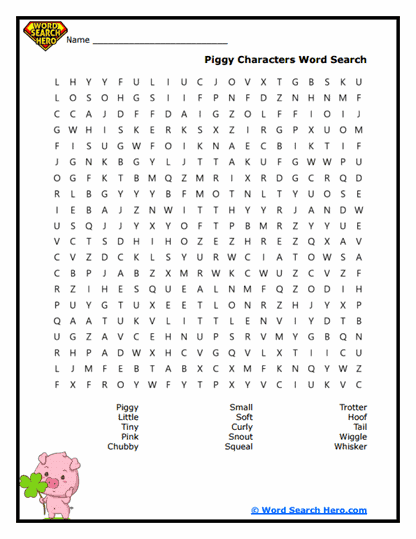
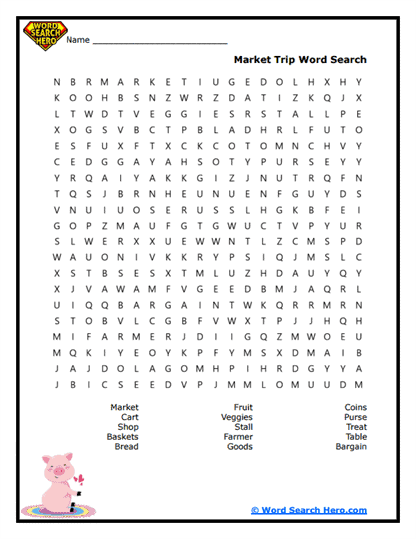
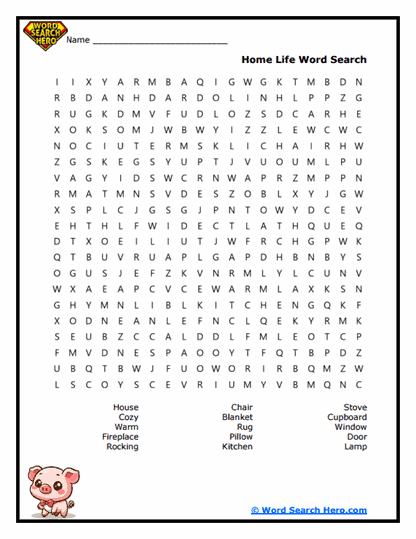
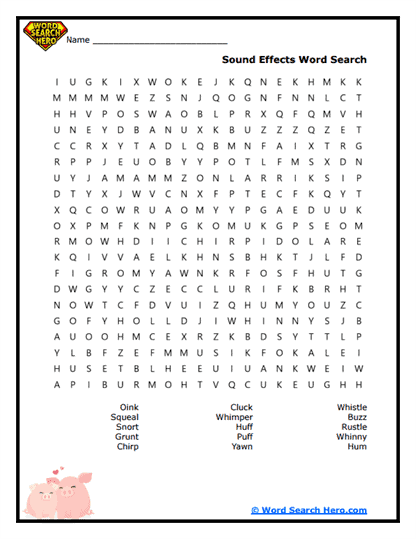
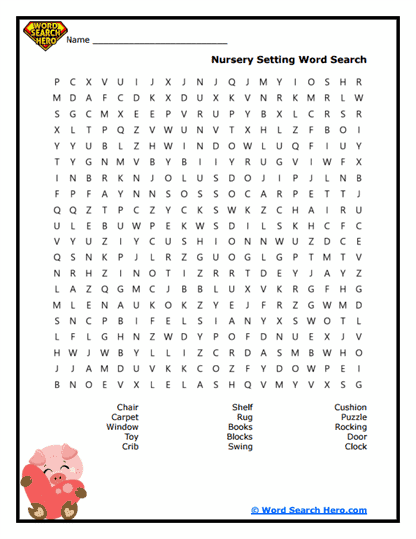
About Our This Little Piggy Word Searches
Our This Little Piggy Word Searches collection brings one of the most playful and interactive nursery rhymes into a fun printable puzzle activity. Inspired by the famous rhyme often recited while wiggling a child’s toes, these puzzles help young learners explore familiar words while strengthening reading, spelling, and concentration skills.
This Little Piggy has been a favorite rhyme for generations because of its rhythm, humor, and interactive storytelling. Each “piggy” in the rhyme has a small adventure-from going to market to staying home, eating roast beef, or having none at all. By transforming this well-known rhyme into a word search puzzle, students can interact with the vocabulary from the rhyme in a hands-on and engaging way.
Teachers, parents, and homeschool educators often use word searches because they combine entertainment with meaningful literacy practice. As students search the puzzle grid for words such as piggy, market, roast, home, and wee, they reinforce spelling recognition and develop stronger word identification skills.
These puzzles are easy to use in many learning settings. Teachers may include them in nursery rhyme units, literacy centers, or as early-finisher activities. Homeschool families often use them in early reading lessons or poetry studies. At home, they provide a quiet screen-free activity that still supports learning.
Word searches also encourage patience and visual scanning. Students carefully search rows, columns, and diagonals for hidden words, strengthening the focus needed for reading.
Because the rhyme itself is playful and familiar, students tend to stay engaged while solving the puzzle. The activity turns a well-loved nursery rhyme into a fun and interactive literacy experience.
The Story Behind the Five Little Piggies
The rhyme This Little Piggy is unique among nursery rhymes because it is often paired with a playful finger or toe game. Each line of the rhyme represents one of five little pigs, usually matched to a child’s toes while the rhyme is recited.
In the rhyme, the first piggy goes to market, the second piggy stays home, the third piggy enjoys roast beef, the fourth piggy has none, and the fifth piggy runs all the way home crying “wee wee wee.” This simple pattern makes the rhyme easy for children to remember and fun to perform.
When students complete a word search based on the rhyme, they often find vocabulary connected to these events. Words such as piggy, market, home, roast, and wee remind learners of the story’s playful sequence.
Teachers sometimes use this rhyme to talk about storytelling order. Students can discuss what happens first, second, and last in the rhyme. Understanding sequence helps build comprehension skills that are useful when reading longer stories.
Another fun extension is asking students to imagine what the piggies might do after the rhyme ends. Perhaps they all meet again at the farm or go on a new adventure.
By connecting puzzle vocabulary with the rhyme’s playful story, students strengthen both reading skills and story understanding.
Paul’s Pro-Tip
Here’s something I learned after 30 years of teaching: if a lesson includes a little movement, kids stay focused much longer.
With a This Little Piggy puzzle, I like to start by doing the rhyme together with the finger motions. Yes-even older students secretly enjoy it.
Then when they find a word like “market” or “home,” I ask them which piggy it belongs to.
Suddenly the puzzle becomes a mini memory game. Vocabulary, sequencing, and a few giggles all at once.
And if someone shouts “wee wee wee” when they finish the puzzle… well, I call that enthusiasm.
How Nursery Rhymes Help Build Early Reading Skills
Nursery rhymes like This Little Piggy are powerful tools for early literacy development. Their rhythm and repetition help children recognize language patterns, which supports both reading and listening skills.
When students work on a word search connected to the rhyme, they repeatedly encounter vocabulary from the story. Words like piggy, market, home, roast, and wee become easier to recognize with repeated exposure.
Word searches also strengthen visual scanning skills. Students must carefully track letters across rows and columns to locate hidden words. These same tracking skills are important when reading sentences and paragraphs.
Another advantage is the confidence students gain as they solve puzzles independently. Each discovered word provides a small success that encourages persistence and problem-solving.
Teachers sometimes extend the activity by asking students to place the puzzle words in the correct order based on the rhyme. This reinforces sequencing and comprehension.
Because the rhyme itself is playful and memorable, students approach the puzzle with enthusiasm. The activity allows them to revisit a familiar rhyme while quietly strengthening literacy skills.
Frequently Asked Questions
What words appear in This Little Piggy word searches?
Common words include piggy, market, home, roast, wee, farm, and other vocabulary connected to the nursery rhyme.
Are these puzzles helpful for teaching the This Little Piggy rhyme?
Yes. Teachers often use them as follow-up activities after reciting the rhyme to reinforce key vocabulary and sequencing.
Are This Little Piggy word searches good for younger learners?
Absolutely. The simple vocabulary and familiar rhyme make them ideal for preschool and early elementary students.
Do the puzzles include the events from the rhyme?
Yes. Many puzzles include words connected to the piggies’ activities, such as going to market or staying home.
How can parents use This Little Piggy word searches at home?
Parents can recite the rhyme with their children first and then let them complete the puzzle to find the words from the story. This makes a fun and interactive learning activity.