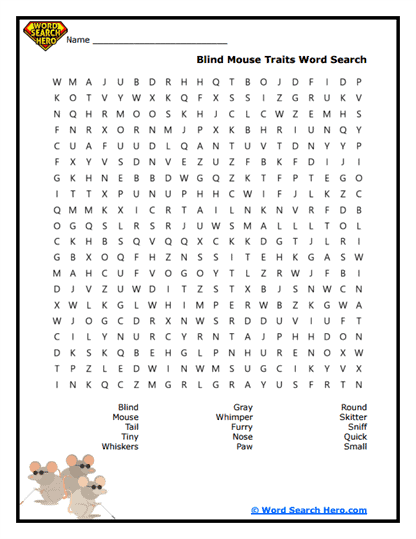
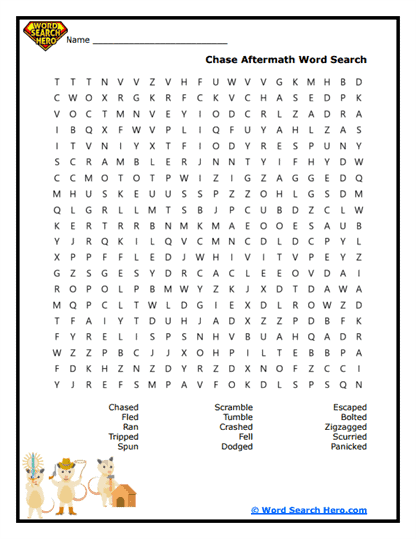
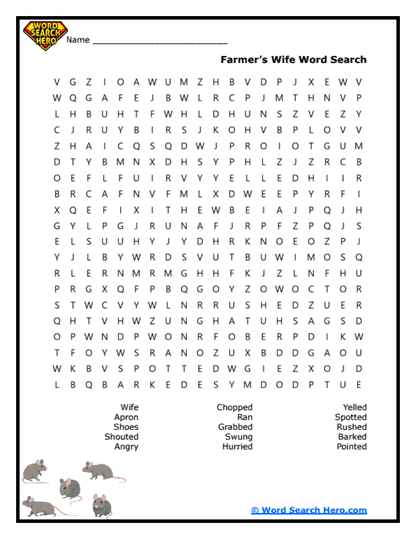
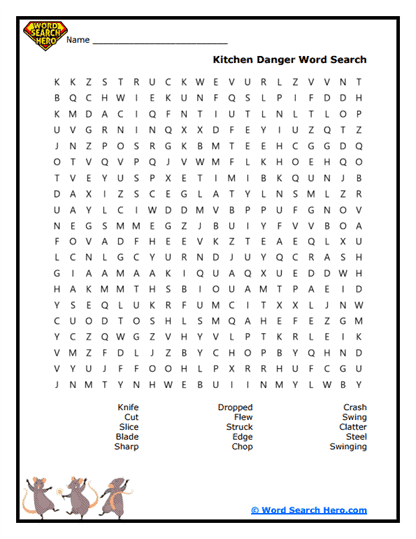
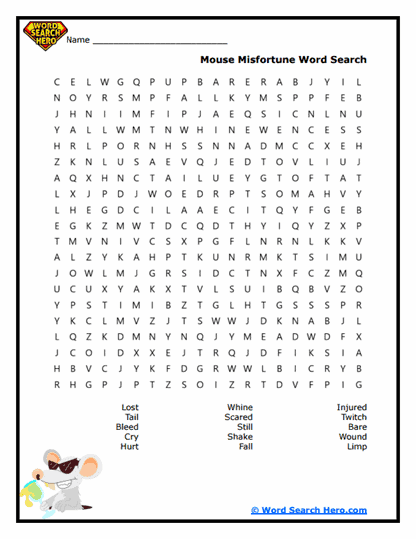
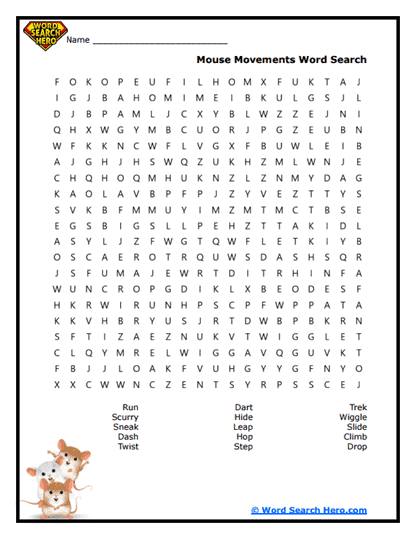
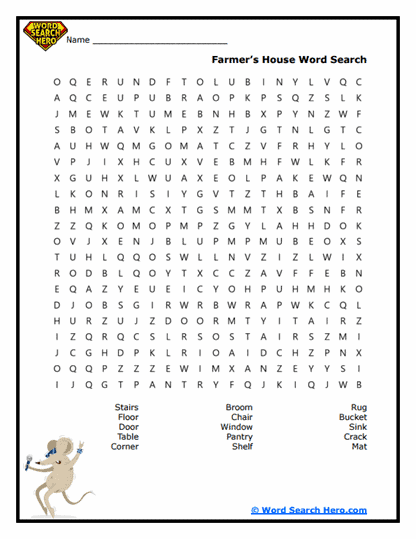
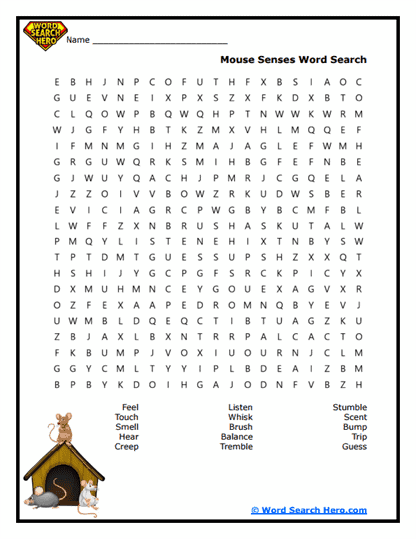
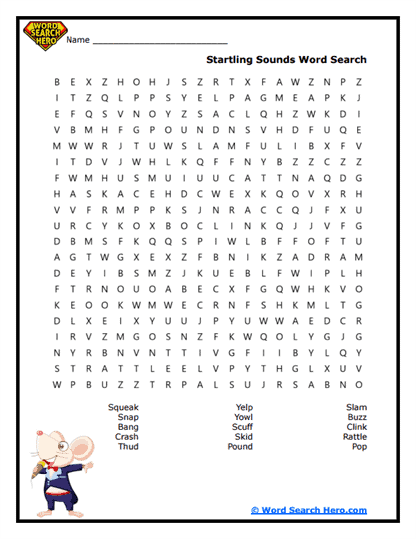
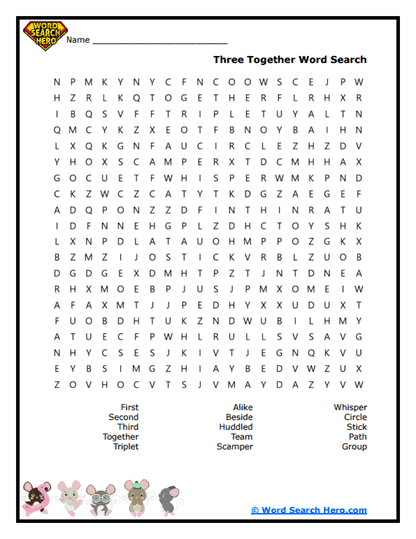
About Our Three Blind Mice Word Searches
Our Three Blind Mice Word Searches collection transforms the classic nursery rhyme into a fun and engaging printable puzzle activity. Inspired by the famous rhyme about the three mice and their surprising adventure, these puzzles help students strengthen vocabulary, reading skills, and concentration while exploring a piece of traditional children’s literature.
Nursery rhymes like Three Blind Mice are often among the first forms of storytelling that children encounter. Their rhythm and repetition make them easy to remember, and their imaginative scenes capture young learners’ attention. By turning the rhyme into a word search activity, students interact with the vocabulary from the story in an entertaining and hands-on way.
Teachers, parents, and homeschool educators frequently use word searches because they combine enjoyment with meaningful literacy practice. As students search for hidden words such as mice, farmer, wife, tail, knife, and run, they strengthen spelling recognition and improve word familiarity. Repeated exposure to these words helps students build confidence when reading.
These puzzles can easily fit into many learning environments. Teachers often use them as bell ringers, literacy center activities, or early-finisher tasks during nursery rhyme units. Homeschool families may include them in poetry studies or early reading lessons. At home, they provide a quiet, screen-free activity that still supports learning.
Word searches also encourage patience and careful observation. Students must scan rows, columns, and diagonals while looking for hidden words, strengthening the visual tracking skills needed for reading.
Because the rhyme itself is short and memorable, students often remain engaged while completing the puzzle. The activity turns a classic nursery rhyme into an interactive literacy experience.
The Story Behind the Three Blind Mice
The rhyme Three Blind Mice is one of the most recognizable nursery rhymes in English-speaking cultures. The story describes three mice running after the farmer’s wife, who cuts off their tails with a carving knife. The rhyme ends by asking if you have ever seen such a strange sight as three blind mice.
Although the rhyme is brief, it contains several memorable images and unique vocabulary words. Words like mice, farmer, wife, tail, knife, and run are often included in puzzles inspired by the rhyme.
Teachers sometimes use the rhyme as a starting point for discussions about storytelling and exaggeration. The rhyme presents a surprising and somewhat dramatic scene, which can spark curiosity and conversation among students.
Another interesting aspect of the rhyme is its rhythm. The repeating sounds and simple structure help children remember the words easily. This rhythmic quality is one reason nursery rhymes are often used in early literacy education.
When students complete a word search based on the rhyme, they revisit the key characters and actions from the story. Each discovered word helps reinforce spelling while reminding students of the rhyme’s unusual and memorable events.
By combining puzzles with storytelling, educators can help students connect vocabulary with classic pieces of children’s literature.
Paul’s Pro-Tip
After many years in the classroom, I learned that kids love rhymes with a little bit of mystery.
When we use a Three Blind Mice puzzle, I start by asking students: “Where do you think the mice were running to?”
The guesses are fantastic-cheese shops, secret tunnels, even a mouse amusement park.
Then I challenge them to use one word from the puzzle while explaining their idea. Suddenly we’ve got vocabulary practice, creativity, and storytelling all happening at once.
And trust me-imaginary mouse adventures make for some pretty entertaining classroom moments.
Why Nursery Rhyme Word Searches Help Build Literacy
Nursery rhymes are powerful learning tools because they introduce language in a playful and memorable way. Three Blind Mice combines rhythm, repetition, and simple storytelling, which helps young learners recognize patterns in language.
When students search for words connected to the rhyme, they repeatedly encounter vocabulary from the story. Words like mice, farmer, wife, tail, and knife become easier to recognize through repetition.
Word searches also strengthen visual scanning skills. Students carefully examine rows and columns of letters while searching for hidden words that may appear forward, backward, or diagonally. These scanning skills support reading accuracy and focus.
Another important benefit is confidence building. Each time students locate a hidden word, they experience a small success that motivates them to keep solving the puzzle.
Teachers sometimes extend the activity by asking students to match puzzle words with moments from the rhyme. For example, students might explain which word represents the characters chasing the mice or the unusual event that happens in the story.
By combining puzzles with familiar nursery rhymes, students practice vocabulary, reading, and problem-solving while enjoying a playful learning experience.
Frequently Asked Questions
What words appear in Three Blind Mice word searches?
Common words include mice, farmer, wife, tail, knife, run, and other vocabulary connected to the nursery rhyme.
Are these puzzles useful for teaching the Three Blind Mice rhyme?
Yes. Teachers often use them as follow-up activities after reading or reciting the rhyme to reinforce vocabulary and story elements.
Are Three Blind Mice word searches suitable for younger learners?
Absolutely. The rhyme is short and memorable, making the puzzles ideal for early elementary students.
Do the puzzles include characters from the rhyme?
Yes. Most puzzles include words related to the three mice and the farmer’s wife, along with other key elements from the story.
When is the best time to use these puzzles?
They work well after reading the rhyme, during literacy centers, or as an engaging independent activity in a nursery rhyme lesson.