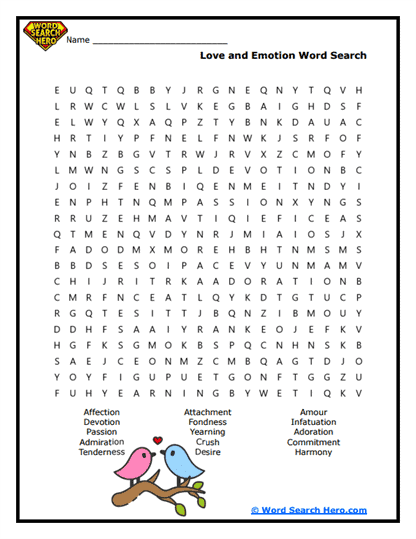
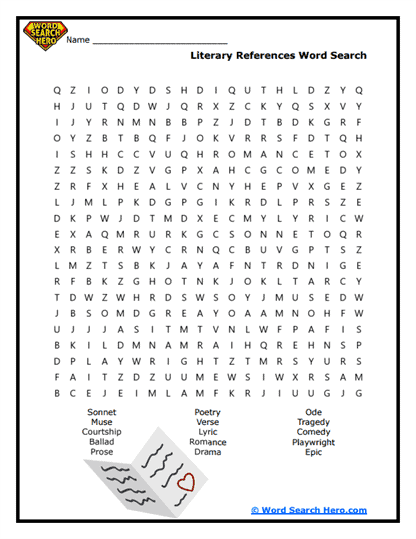
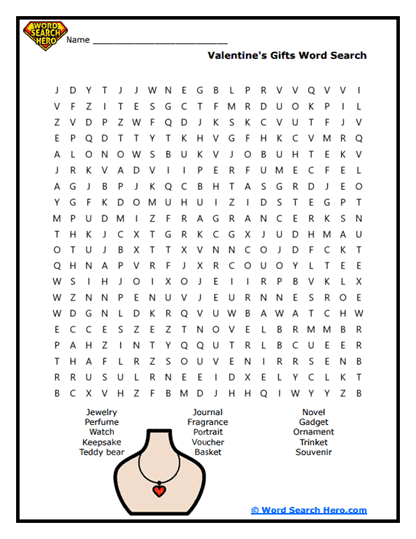
About Our Valentine’s Day Word Searches
Valentine’s Day is celebrated every year on February 14th and is all about love, kindness, and appreciation. Our Valentine’s Day Word Searches collection turns this popular February celebration into an engaging activity that helps learners connect vocabulary with friendship, caring, and meaningful connections.
February 14th is often marked by exchanging cards, chocolates, flowers, and kind messages. In schools, Valentine’s Day becomes a fun and inclusive celebration where students share notes and participate in themed activities focused on kindness and friendship.
Word searches introduce terms like “love,” “valentine,” “heart,” “friendship,” “kindness,” and “caring,” helping students understand the spirit of the day. Teachers often use these puzzles leading up to February 14th to support classroom celebrations, while parents can use them at home to reinforce positive social behaviors.
Because Valentine’s Day happens on a fixed date in mid-February, these puzzles are perfect for themed activities during that week.
Celebrating Kindness on February 14th
Valentine’s Day is more than just cards and candy-it’s about showing appreciation for others. Word searches built around this February 14th celebration help students reflect on kindness and connection.
Puzzles might include words like “heart,” “love,” “hug,” “smile,” and “care,” which reflect the emotional side of the holiday. These words can lead to conversations about how we show kindness to others.
You might also include terms like “card,” “chocolate,” “flowers,” “gift,” and “valentine,” which highlight common traditions on February 14th. These words help students understand how people celebrate the day.
By connecting vocabulary to real-life experiences, Valentine’s Day word searches help learners engage with the meaning of this February celebration.
Paul’s Pro-Tip

This is one of the easiest days to build a positive classroom moment, so keep it simple and genuine. Start by asking, “What’s a small way you can make someone feel appreciated today?” and give students time to think. You’ll get thoughtful answers that go beyond just candy and cards.
As students work through the puzzle, point out words like “kindness,” “friend,” and “care,” and connect them back to those ideas. Keep the tone relaxed-Valentine’s Day on February 14th is really about how we treat each other.
You can also have students pick one word and turn it into an action for the day. For example, if they choose “help,” what’s one way they can help someone today?
If you want to extend it, ask: “What makes a Valentine meaningful instead of just something you hand out?” That question helps shift the focus to intention.
Wrap it up by reinforcing that Valentine’s Day isn’t just one day in February-it’s a reminder to show kindness all year long.
Making February 14th Meaningful
Valentine’s Day Word Searches help turn a one-day February celebration into a meaningful experience. Instead of just exchanging cards, students reflect on the importance of kindness and appreciation.
As students find words like “friendship” and “care,” they begin to understand how small actions can make a big difference. This supports social-emotional learning in a simple and engaging way.
Because Valentine’s Day happens in mid-February, these puzzles are perfect for classroom parties, themed lessons, and kindness-focused activities.
Using Valentine’s Day-themed word searches creates a fun, engaging way to celebrate February 14th while reinforcing positive values.
Frequently Asked Questions
What is Valentine’s Day and why is it celebrated on February 14th?
Valentine’s Day is celebrated on February 14th and is dedicated to expressing love, friendship, and appreciation. It has historical roots but is now widely recognized as a day of kindness and connection.
How can I use word searches to support Valentine’s Day classroom activities?
You can use word searches to introduce vocabulary tied to kindness and celebration, then connect those words to real actions students can take. This makes the February 14th celebration more meaningful.
What vocabulary should be included in Valentine’s Day word searches?
High-value words include love, heart, valentine, friendship, kindness, care, chocolate, flowers, card, and gift. These terms reflect both the emotional and traditional aspects of the holiday.
How can I make Valentine’s Day inclusive for all students?
Focus on friendship and kindness rather than romantic themes. This ensures that February 14th activities feel welcoming and appropriate for everyone.
What are meaningful ways to celebrate Valentine’s Day beyond cards and candy?
Encourage acts of kindness, writing thoughtful notes, or sharing appreciation with others. These approaches make the February celebration more personal and impactful.