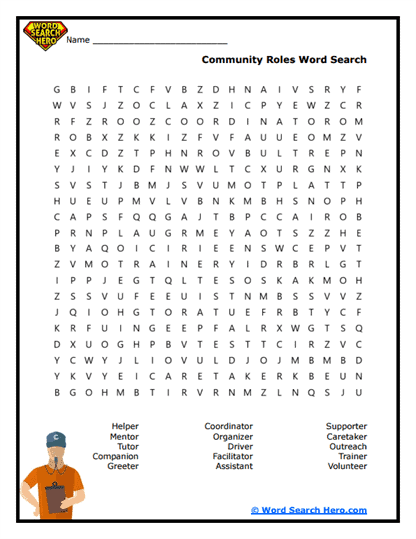
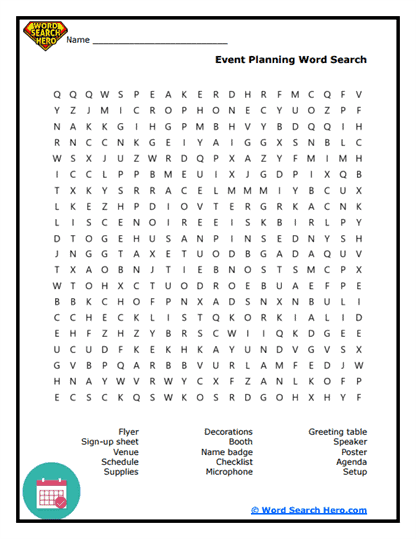
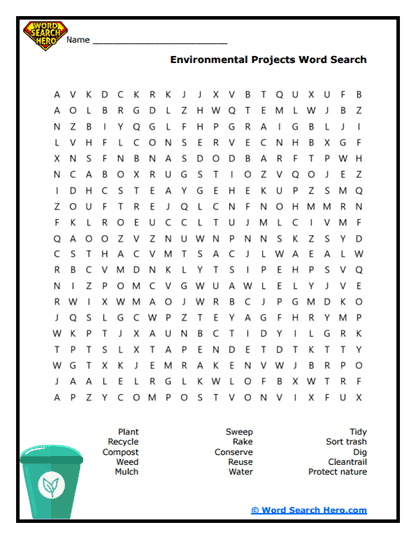
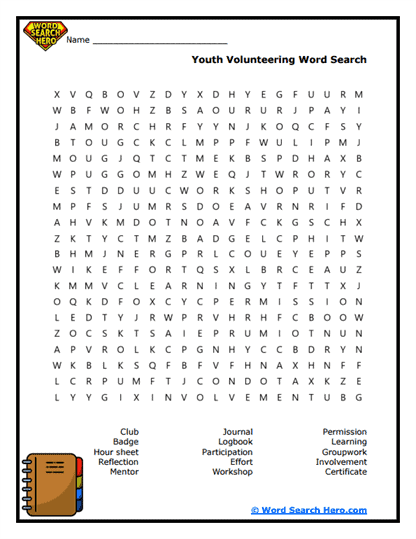
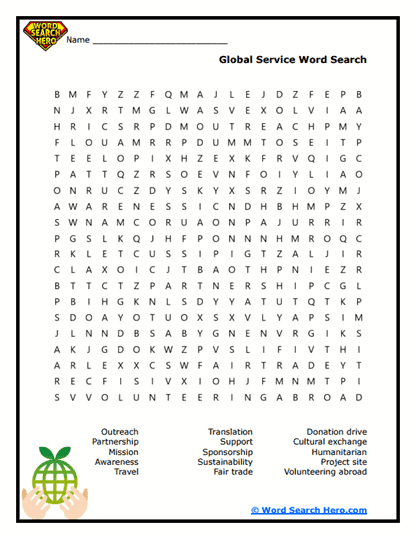
About Our Volunteering Word Searches
Our Volunteering Word Searches are designed to introduce students to the powerful idea of helping others while building valuable literacy skills. These printable puzzles highlight words connected to community service, kindness, and giving back, making them a great classroom or homeschool activity that blends fun with meaningful discussion. Teachers often use themed puzzles like these to spark conversations about civic responsibility while reinforcing vocabulary and reading confidence.
Each puzzle encourages students to carefully scan letters, recognize patterns, and strengthen word recognition skills. As learners search for terms related to helping neighbors, community programs, and service opportunities, they practice spelling, attention to detail, and perseverance. These small moments of focus help develop cognitive skills that support broader reading and comprehension growth.
Parents and homeschool educators also appreciate how easy these activities are to use. Simply print a puzzle and it instantly becomes a quiet learning activity for independent work time, morning warm-ups, or travel learning. Because the theme centers on helping others, it can also open the door to thoughtful conversations about empathy, responsibility, and the role people play in strengthening their communities.
Another benefit of themed puzzles is how flexible they are in different learning environments. Teachers may use them as early finisher activities, enrichment tasks, or simple brain breaks between lessons. Meanwhile, families can enjoy them as an engaging activity that gently reinforces reading skills while highlighting the value of generosity and community involvement.
When students interact with puzzles centered on service and kindness, they are not just practicing vocabulary-they are also exploring the language of compassion and teamwork. That combination of literacy and character-building makes this collection especially meaningful for classrooms and homes alike.
The Hidden Learning Power Behind Service-Themed Puzzles
At first glance, word searches look like simple letter-hunting games. But puzzles built around service and community topics quietly deliver a surprising amount of educational value. While students scan the grid for words connected to helping others, their brains are actively strengthening pattern recognition, visual tracking, and concentration.
This kind of learning is sometimes called stealth learning because students absorb knowledge without feeling like they are doing formal academic work. When children focus on finding vocabulary related to volunteering, they naturally become more familiar with those terms and the ideas behind them. Over time, this repeated exposure can help them better understand concepts like cooperation, responsibility, and community engagement.
Word searches also help students practice persistence. Some words appear quickly, while others require careful scanning and patience. That challenge encourages learners to slow down, examine letters more closely, and build confidence as they successfully uncover each hidden word.
Teachers often notice that these puzzles are particularly helpful during transitional moments in the school day. Morning arrival, quiet reading blocks, or early-finisher time can all benefit from structured but low-pressure activities. Service-themed puzzles offer exactly that balance-an engaging task that keeps students thinking while reinforcing both language skills and positive values.
Perhaps the most meaningful outcome is the conversation these puzzles can inspire. Once students discover words like “donate,” “shelter,” or “community,” teachers and parents can easily build short discussions around how people support one another. That simple connection turns a puzzle into an opportunity for reflection and empathy.
Paul’s Pro-Tip
Here’s a trick I love using with volunteering-themed puzzles. After students finish the word search, ask them to choose one word they found and explain how someone might actually do that act of service in real life.
Suddenly the puzzle becomes more than a letter hunt-it becomes a quick kindness brainstorming session. Students love sharing their ideas, and it often leads to some really thoughtful suggestions. If you want to make it even more fun, let them use a highlighter instead of a pencil so they feel like real word-search detectives.
Creative Classroom Displays That Celebrate Helping Others
Service-themed puzzles can become more than just a desk activity-they can also transform into engaging classroom displays. One fun idea is to create a “Helping Hands Word Wall.” After completing a puzzle, students choose one word they discovered and write it on a paper hand cutout. These hands can then be posted on a bulletin board to form a colorful display that celebrates kindness and cooperation.
Another option is a Community Action Board. Students complete the puzzle first, then match each word with a real-world example. For instance, if they find the word “donate,” they might suggest donating books, clothes, or food. Posting these ideas around the puzzle grid turns the display into both a literacy activity and a brainstorming hub for positive action.
Teachers often notice that visual displays help reinforce vocabulary retention. When students repeatedly see the same words on the wall, those terms become more familiar and easier to recognize in reading or discussion.
This kind of bulletin board also gives students a sense of ownership over their learning space. Instead of a teacher-created display, the board becomes a collection of student ideas and discoveries. That personal connection helps build engagement and pride in the classroom.
Over time, the display can evolve as new puzzles are completed. Adding fresh words and ideas keeps the board dynamic while continuously reinforcing the message that even small acts of service can make a difference in the community.
Frequently Asked Questions
How can teachers use volunteering-themed word searches in the classroom?
Teachers often use these puzzles as morning work, early-finisher activities, or quiet transitions between lessons. Because the theme focuses on helping others, the puzzles also provide a natural starting point for short discussions about community service and kindness.
Are these puzzles helpful for homeschool learning?
Yes, they work very well in homeschool environments because they combine independent learning with meaningful themes. Parents can easily print a puzzle for quiet work time and then follow it with a conversation about how families or children can contribute to their communities.
Do word searches actually help improve vocabulary?
Word searches reinforce vocabulary by repeatedly exposing students to words in a visual format. As learners scan the puzzle and recognize spelling patterns, they strengthen word recognition skills that support reading fluency and comprehension.
What age groups benefit most from these puzzles?
Elementary and middle school students tend to enjoy word searches the most, especially when the themes connect to real-world ideas. However, older students and even adults can also appreciate themed puzzles as relaxing brain exercises that reinforce language skills.
Can volunteering word searches encourage conversations about kindness?
Absolutely. When students discover words related to helping others, it naturally opens the door to discussions about empathy, teamwork, and community involvement. Even a short conversation after completing the puzzle can help students connect vocabulary with real-life actions.