About Our 11-Letter Words Word Searches
Our 11-Letter Words word searches are made for students who are ready for a bigger challenge. These puzzles use longer words, so kids have to slow down, look carefully, and use smart reading strategies. That makes them a great next step after 10-Letter Words and a strong bridge toward 12-Letter Words.
At this level, students are not just spotting words. They are learning how long words are built. Many 11-letter words have parts students can recognize, like beginnings, endings, or smaller chunks in the middle. That is why this collection works so well for growing readers who are ready for Long Vocabulary and even tougher word study later on.
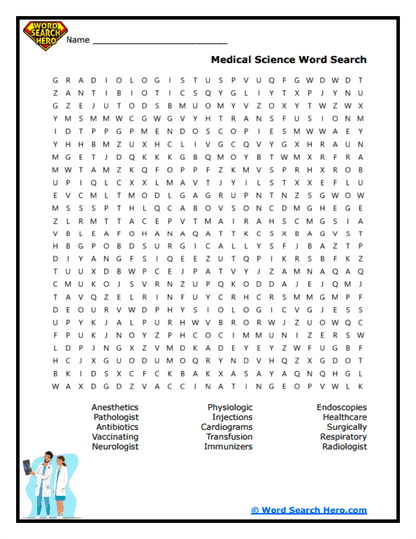
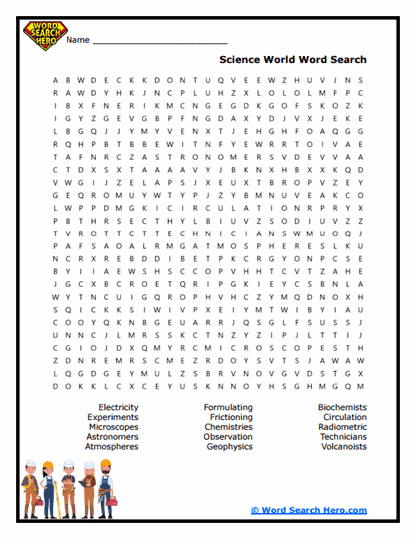
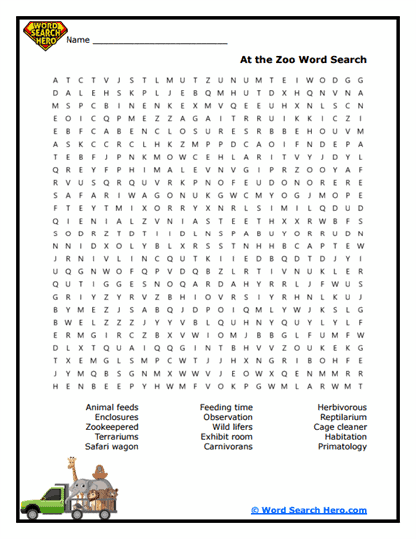
These puzzles also connect well to school subjects. On this page, students run into words tied to nature, medicine, travel, science, jobs, sports, cities, feelings, zoos, and electricity. That gives the puzzles real value for classroom learning and not just free time.
Why Longer Words Are Not as Hard as They Look
A long word can seem scary at first. Many students see a big word and think, “I can’t do that.” But most long words are not one giant mystery. They are made of smaller parts.
That is the key idea.
When students stop trying to read the whole word at once, they usually do much better. They can look for a part they know first. Maybe they spot a beginning like “inter-.” Maybe they notice an ending like “-tion.” Maybe they find a smaller word hiding inside the larger one. Once they find one piece, the rest of the word becomes easier to handle.
That is especially helpful on this page because many of the words connect to topics students may already know something about. A student who likes Science may feel more confident with science words. A student interested in future jobs may connect quickly with Careers vocabulary. A student who has studied circuits may recognize links to Electricity.
This is one reason 11-letter puzzles are so useful. They teach students not to panic when words get longer. Instead, they learn to pause, look for clues, and work through the word one part at a time.
Paul’s Pro-Tip

Tell students to hunt for the ending first.
In long words, the ending often stands out more than the whole word. If a student spots a part like “-tion,” “-ment,” or “-ness,” that can act like an anchor. From there, they can check the letters around it and see if the rest of the word fits.
That one small trick can turn a hard search into a much more manageable one.
Helping Students Break Words Into Chunks Step by Step
One of the best ways to use these puzzles is to teach chunking.
Start small. Pick one long word from the puzzle and ask, “What part do you know already?” Then break it apart with the student. You do not need a big grammar lesson. Just help them see that long words are built in pieces.
A simple way to do it:
Find the ending first. Long words often have endings students can learn to recognize.
Look at the beginning next. A prefix can give a clue.
Check the middle. Sometimes there is a root word or a familiar chunk hiding there.
Say the word in parts. This helps students hear how the pieces work together.
Use the word in a sentence. That helps the word feel real instead of random.
This works especially well for students who are moving into harder reading. It also gives teachers and parents a simple way to turn a puzzle into a real lesson without much extra prep.
You can also connect the words to other topics students already enjoy. A child who likes maps and places may enjoy a link to Cities. A student who likes animals may connect better when the word comes from Zoo Safari style topics, but for internal links here it may fit better to use a broader page like Animals only if that exact URL exists. Since this page already has strong topic variety, keeping links focused on real adjacent categories works better than forcing extras.
Frequently Asked Questions
Are 11-letter word searches too hard for most students?
They can feel hard at first, but that does not mean they are a bad fit. With the right support, they help students build confidence with longer words instead of avoiding them.
What is the main skill these puzzles build?
These puzzles are great for word chunking, careful scanning, and spelling accuracy. They teach students to stop guessing and start looking for useful parts inside a word.
How can teachers use these in class?
They work well for enrichment, quiet morning work, literacy centers, or early finisher time. They are especially helpful for students who are ready for more than basic vocabulary practice.
How can parents use these at home?
A parent can print one page, let the child solve it, and then talk through one or two tricky words together. That quick follow-up can build reading skill without turning it into a long lesson.
What should students do when a word feels too long?
They should not try to grab all of it at once. Start with one piece, such as the ending or a familiar chunk, and build from there. That is usually when the word starts to feel much easier.