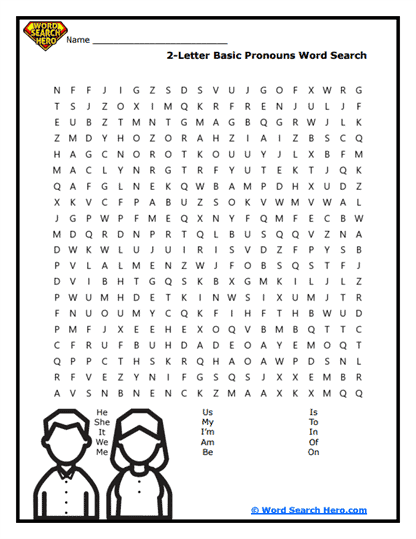
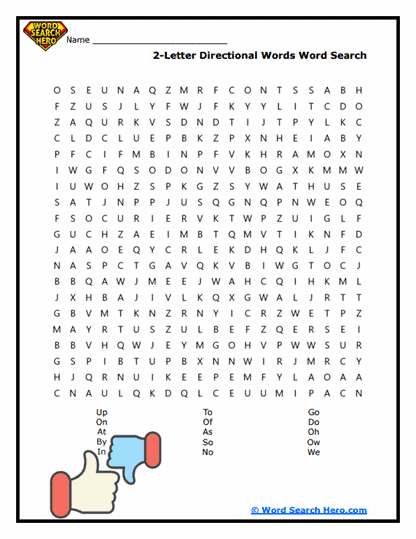
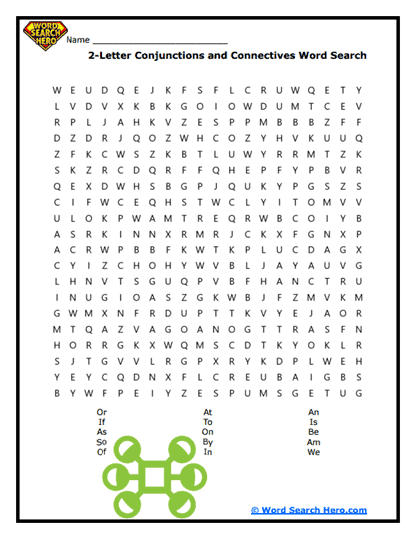
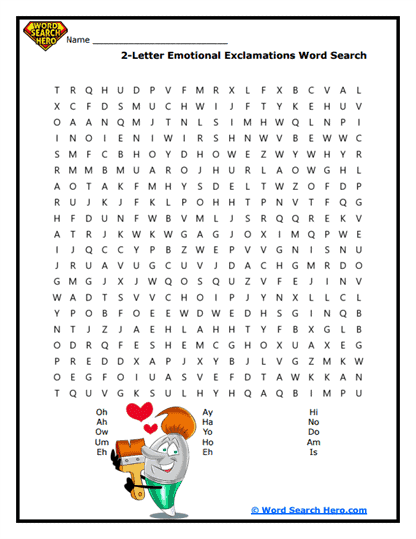
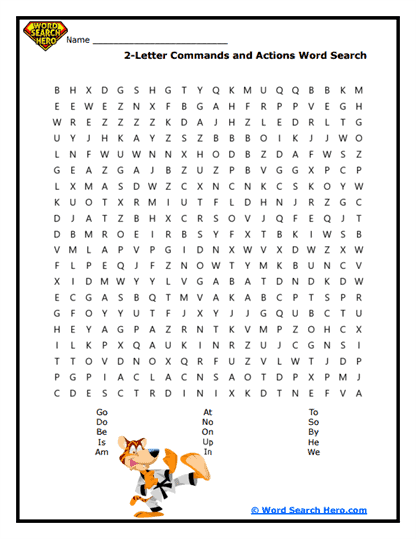
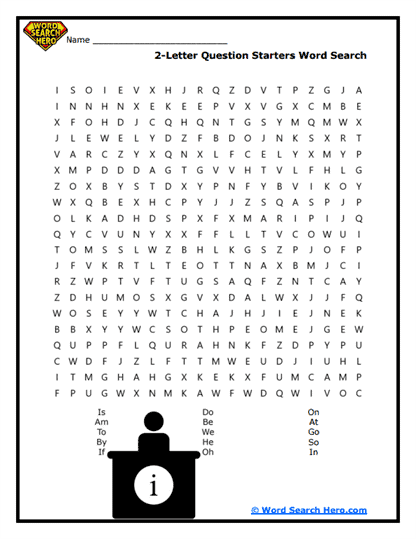
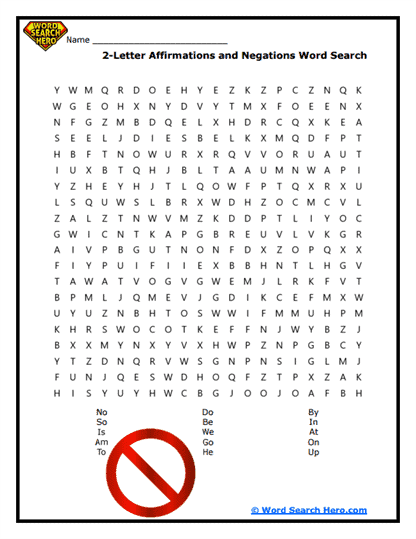
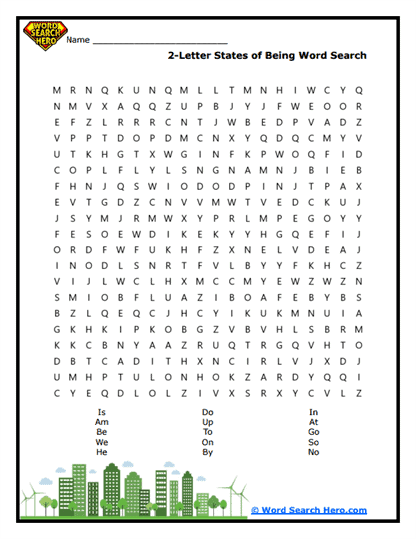
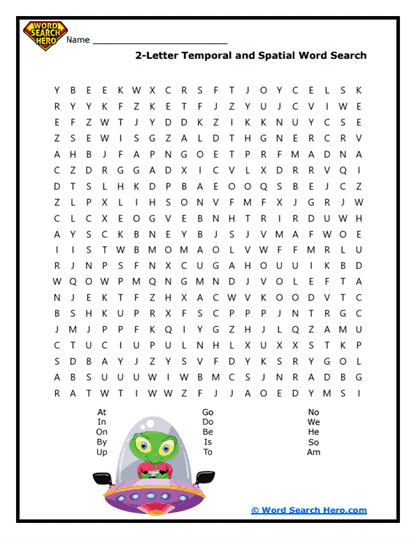
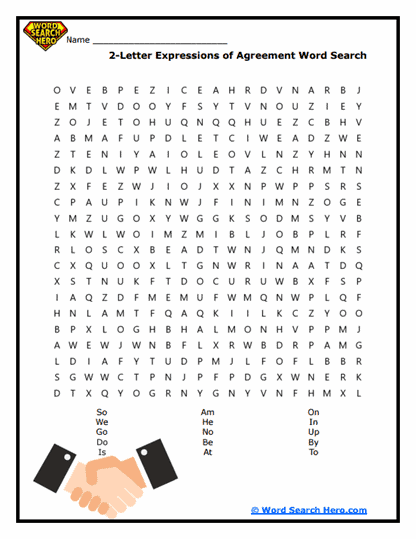
About Our 2-Letter Words Word Searches
Our 2-letter word search collection may look simple, but it plays a powerful role in early literacy development. These puzzles focus on the smallest building blocks of language-words like “in,” “on,” “at,” and “to”-that appear constantly in everyday reading and writing.
Because these words show up so frequently, learning to recognize them quickly is essential. That’s why these puzzles pair so well with phonics and early sight words practice. Students aren’t just finding words-they’re building automatic recognition, which is a key step toward fluent reading.
The short length also makes these puzzles approachable. Learners can jump in quickly, experience early success, and stay engaged-something that’s especially important for beginners and developing readers.
Why Tiny Words Play a Big Role in Early Reading
Two-letter words may be small, but they do a lot of heavy lifting in language.
They connect ideas, shape sentences, and appear in almost everything students read-from simple books to everyday instructions. When learners can recognize these words instantly, reading becomes smoother and more natural.
That’s why practicing them matters.
In these puzzles, students repeatedly scan for the same short words. This builds:
- faster recognition
- stronger letter tracking
- better attention to detail
These are foundational skills tied directly to early reading skills and reading fluency.
There’s also a confidence boost.
Because the words are short, students find answers quickly. That early success helps build momentum and reduces frustration-especially for learners who are just starting out.
Over time, this leads to an important shift:
Students stop sounding out every tiny word-and start recognizing them automatically.
Paul’s Pro-Tip

Turn this into a “letter hunt” instead of a word hunt.
Tell students to pick one letter-like “A” or “I”-and scan the grid for it first. Once they find it, they check the space next to it to see if it forms a real word.
Because the words are so short, this strategy works fast and keeps students focused.
It also helps them see patterns instead of guessing randomly.
Simple Ways to Turn Two-Letter Words Into Real Practice
These puzzles are most effective when you extend them just a little beyond the grid.
Start with a quick sentence activity.
After finishing, ask students to use two of the words in a sentence:
- “I am at the park.”
- “He is on the bus.”
This connects directly to sentence structure and helps students see how these words function in real language.
Next, try a “spot it in reading” challenge.
Have students look for the same words in a book or passage. This reinforces transfer into real reading situations and supports reading comprehension.
You can also do a quick sorting activity:
- Which words show location? (in, on, at)
- Which words show action or state? (is, am, do)
This builds early grammar awareness without needing formal instruction.
For extra practice, turn it into a speaking game:
- Say a sentence out loud
- Have students identify the two-letter words they hear
This strengthens listening skills and ties into speaking and listening development.
All of these take just a few minutes-but they turn simple puzzles into meaningful learning.
Frequently Asked Questions
Are two-letter word puzzles too easy to be useful?
Not at all. These words are some of the most frequently used in English, so recognizing them quickly is essential for building reading fluency.
What skill do students gain the most from these puzzles?
Automatic word recognition. Students learn to identify common words instantly instead of sounding them out each time.
Are these only for very young learners?
They’re best for early readers, but they can also help older struggling readers who need to strengthen foundational skills.
How can I tell if a student is improving?
Watch for speed and confidence. If students begin recognizing these words instantly in both puzzles and reading, they’re making strong progress.
What’s the easiest way to extend the activity?
Have students use the words in a sentence or find them in a book. That simple step helps move from recognition to real understanding.